When I think about comfort food, there’s something about the simplicity of a vegetarian sub that instantly hits the spot. Picture this: fresh, crunchy vegetables layered generously between a soft, toasted sub roll, with a medley of spices and sauces that tie everything together. Whether you’re a lifelong vegetarian or just looking to incorporate more plant-based meals into your routine, this sub recipe offers both satisfaction and flavor. I remember the first time I made this-it was one of those lazy Sunday afternoons, when all I wanted was something hearty but without too much effort. It’s the kind of meal that brings the best of both worlds: comforting yet surprisingly light.
Over the years, I’ve perfected this recipe, tweaking it here and there, but always keeping it grounded in the essentials. It’s simple, but packs a punch. A great vegetarian sub doesn’t need to be complicated; it’s about balancing the flavors and textures. So, let’s dive into what makes this particular sub stand out from the others!
Vegetarian Sub Recipe
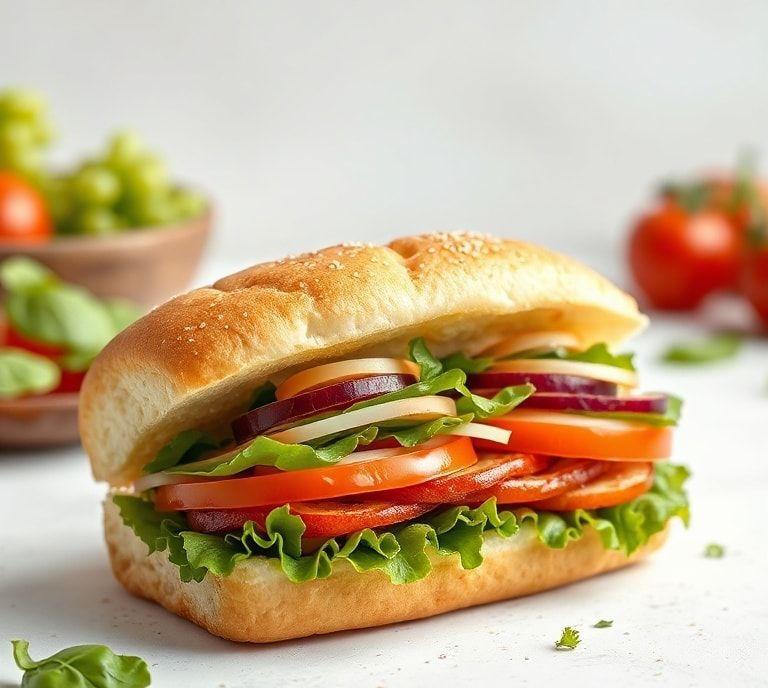
Now, this is a recipe I turn to when I want a satisfying, flavorful sub, but also want something healthy, and even a little gourmet. It’s all about that balance-crunchy veggies, savory spreads, and, of course, a few unexpected touches that make all the difference.
The foundation of this sub is fresh, in-season veggies-think lettuce, tomatoes, cucumbers, bell peppers-along with a hearty spread of hummus or pesto. To give it an extra kick, I like to layer in some roasted or grilled veggies, like zucchini or mushrooms, which add that umami depth that makes it feel truly indulgent without needing any meat. Then, of course, a drizzle of balsamic vinegar or a squeeze of lemon to tie everything together.
Ingredients Needed
Here’s the beauty of a vegetarian sub: you can get as creative or as minimal as you like. However, there are a few essential ingredients that are always in my kitchen when making a vegetarian sub:
For The Sub Base
- Sub rolls or hoagie buns: A good, sturdy bread is key. It should hold up to all the fillings without getting soggy, so a soft yet firm roll works best.
- Fresh lettuce: Romaine or mixed greens, for a crunchy, fresh base.
- Tomatoes: Juicy, ripe tomatoes, thinly sliced.
- Cucumber: For a bit of crunch and freshness.
- Bell peppers: Red, yellow, or orange peppers work best for their sweetness.
The Flavor Boosters
- Hummus or pesto: This is the spread that will carry most of the flavor. Hummus gives a creamy, garlicky base, while pesto adds a fresh herbaceous bite. You could also use a mix of both!
- Cheese (optional): Mozzarella or provolone are classic choices, though I’ve found vegan cheese can also work really well in this dish.
- Olives: Black or Kalamata olives for a briny, salty touch.
- Roasted vegetables: I love adding roasted mushrooms, eggplant, or zucchini for extra flavor and heartiness.
For The Finishing Touches
- Balsamic vinegar or olive oil: A light drizzle for depth and richness.
- Lemon or vinegar: A little acidity to brighten everything up.
- Fresh herbs or microgreens: For a pop of color and freshness.
Cooking Instructions
- Prep the Veggies: Start by washing and slicing your veggies. Thinly slice the tomatoes, cucumber, and bell peppers. If you’re using mushrooms or eggplant, I’d recommend roasting or grilling them first to bring out their rich flavors. You can do this by brushing them lightly with olive oil and seasoning with salt, pepper, and herbs, then roasting at 400°F for about 15-20 minutes, or until they’re golden and tender.
- Toast the Sub Rolls: While your veggies roast, slice the sub rolls in half lengthwise and toast them lightly. This adds some crunch and ensures the bread won’t get soggy once you start layering in the ingredients.
- Spread the Flavor: Once your rolls are toasted and the veggies are ready, spread a generous layer of hummus or pesto on each side of the bread. If you’re using both, do a light spread of hummus on one side and pesto on the other-it’s like the best of both worlds!
- Layer the Veggies: Now comes the fun part. Start layering the fresh veggies, followed by the roasted vegetables. Add a few slices of cheese if you like, and sprinkle in some olives for that salty bite.
- Add the Finishing Touches: Drizzle a little balsamic vinegar or olive oil for some richness, and finish with a squeeze of fresh lemon juice or a splash of vinegar. If you have fresh herbs or microgreens, toss them on top for a burst of flavor.
- Assemble and Serve: Close up the sandwich, give it a light press, and cut it into halves or quarters. Serve with some crunchy chips or a small side salad, and you’re all set!
Ingredient Science Spotlight
Now, let’s dig into why these ingredients work so beautifully together. Take hummus, for instance-this humble chickpea spread is packed with fiber and plant-based protein, making it a great choice for a vegetarian meal. The creamy texture contrasts perfectly with the crunch of fresh veggies and the slightly chewy sub roll. Hummus is also rich in healthy fats, which help to balance out the natural sweetness of the peppers and tomatoes.
Then, there’s pesto, which brings that punch of herbaceous flavor from basil, garlic, and pine nuts. The oils in pesto are a great source of monounsaturated fats, which are beneficial for heart health. Plus, the garlic in pesto has been shown to have anti-inflammatory properties-pretty great for something so delicious!
Roasted vegetables like mushrooms or zucchini are high in antioxidants, and when you roast them, their natural sugars caramelize, which enhances their deep, savory flavors. This method of cooking also concentrates nutrients, making them even more beneficial for you.
Finally, the acidity of balsamic vinegar or a squeeze of lemon serves an important role. Acidity helps to cut through the richness of the hummus and pesto, brightening the whole sandwich and balancing out the flavors.
Expert Tips
- Don’t skimp on the seasoning: When you’re making a vegetarian sub, the veggies need to shine, but they also need flavor. A pinch of salt, a few cracks of pepper, and a drizzle of olive oil or balsamic vinegar go a long way. Don’t underestimate the power of well-seasoned veggies.
- Balance your textures: I like to include a mix of crunchy (fresh veggies, sub roll), creamy (hummus), and hearty (roasted veggies). This keeps each bite interesting and satisfying.
- Roast your veggies for extra flavor: If you can, always roast your mushrooms, peppers, or zucchini. Roasting deepens the flavors and adds that wonderful caramelized taste that you can’t get from raw vegetables.
- Make it ahead: If you’re short on time, prep all your ingredients the night before. You can slice the veggies, roast the vegetables, and even toast the bread in advance, making assembly a breeze the next day.
- Add a protein boost: If you want to up the protein in your sandwich, try adding some marinated tofu, tempeh, or a few slices of seitan. These ingredients work perfectly with the veggie base and help make the sandwich more filling.
Recipe Variations
While this recipe is delicious as is, there’s always room for customization. Here are a few ways you can tweak it to your liking:
- Grilled Veggie Sub: Grill all your vegetables instead of roasting them. This adds a smoky flavor that’s perfect for summer.
- Spicy Veggie Sub: Add some sliced jalapeños or a drizzle of hot sauce for a spicy kick. A touch of sriracha can also add an extra layer of flavor.
- Mediterranean Style: Swap the hummus for tzatziki and add some feta cheese and Kalamata olives for a true Mediterranean experience.
- Vegan Version: Use vegan cheese or skip it altogether, and replace the pesto with a dairy-free pesto made with nutritional yeast instead of parmesan.
Final Words
There’s something inherently satisfying about making a vegetarian sub from scratch. It’s a meal that feels wholesome yet indulgent, fresh yet filling. Whether you’re serving it at a picnic or making it for a simple weeknight dinner, this recipe has a way of feeling like a little celebration on a plate. The best part is how versatile it is-once you get the basics down, you can truly make it your own.
FAQs
What Ingredients Are Essential For Making A Vegetarian Sub?
A vegetarian sub typically includes a variety of fresh vegetables such as lettuce, tomatoes, cucumbers, bell peppers, onions, and avocado. You can also add protein-rich options like hummus, grilled tofu, tempeh, or cheese. Seasonings such as salt, pepper, olive oil, and vinegar enhance the flavor, while a fresh sub roll or baguette serves as the base.
How Can I Make A Vegetarian Sub More Flavorful?
To enhance the flavor of a vegetarian sub, consider marinating vegetables or proteins like tofu or mushrooms before adding them. Incorporating spreads such as pesto, hummus, or tapenade can add depth, while using a variety of textures, like crunchy cucumbers, roasted peppers, and creamy cheese, creates a more satisfying bite. Fresh herbs such as basil, cilantro, or parsley can also elevate the taste.
Can I Make A Vegetarian Sub Ahead Of Time Without It Getting Soggy?
Yes, but proper preparation is key. Store wet ingredients like tomatoes, cucumbers, or dressings separately and assemble the sub just before eating. Alternatively, lightly toast the bread or spread a thin layer of hummus or cream cheese on the inside to create a moisture barrier, which helps prevent sogginess when assembling ahead of time.