There’s something about a hearty meal that brings comfort, nostalgia, and warmth to a chilly evening, don’t you think? Swedish meatballs, or köttbullar as they’re called in Sweden, have long been a classic favorite for many. They’re rich, savory, and oh-so-delicious. But for those of us who’ve decided to forgo meat in our meals, the idea of enjoying a vegetarian version of this iconic dish is nothing short of a revelation.
I still remember the first time I tried vegetarian Swedish meatballs. I was skeptical, to be honest. Could plant-based ingredients really capture that meaty flavor and texture? But after the first bite, I was hooked. The balance of spices, the creamy sauce, and the comforting texture of those plant-based meatballs was just as satisfying as any traditional version. If you’ve been looking for a recipe that combines all the flavors of the original without the meat, you’re in for a treat. Let’s dive into the details.
Vegetarian Swedish Meatball Recipe
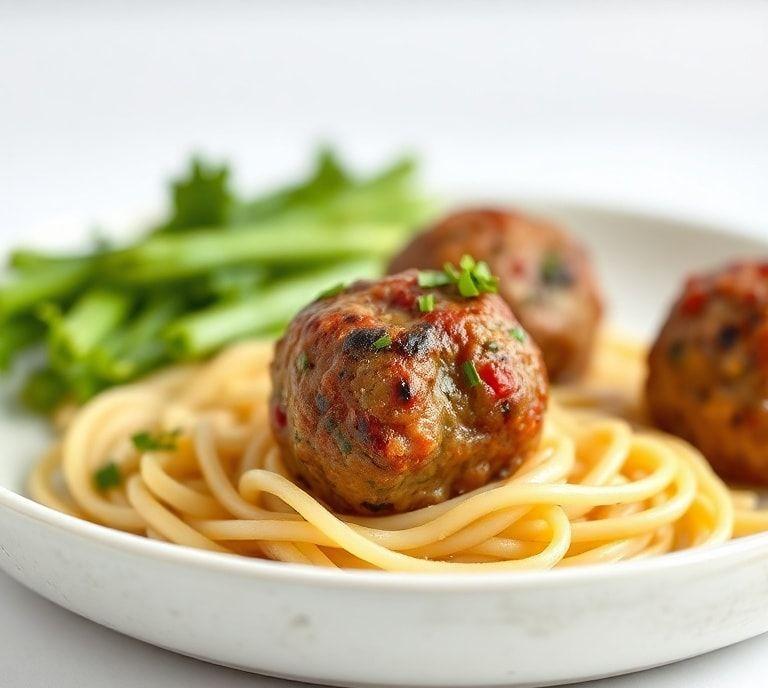
When crafting the perfect vegetarian Swedish meatball, it’s essential to replicate that signature flavor profile of the classic meatball, which is rich with savory spices, a hint of sweetness, and a silky sauce that ties it all together. The trick is balancing the textures and tastes of plant-based substitutes without sacrificing authenticity. In this recipe, I use a combination of lentils, mushrooms, and oats to create a firm but tender meatball with a deep, savory flavor.
Let’s jump right into the recipe that brings this all to life!
Ingredients Needed
For the meatballs:
- 1 cup cooked lentils (green or brown work best)
- 1 cup mushrooms (finely chopped or processed in a food processor)
- ½ cup oats (blended to a fine texture)
- 1 small onion, finely chopped
- 2 cloves garlic, minced
- 1 tablespoon soy sauce (or tamari for gluten-free)
- 1 teaspoon dried thyme
- 1 teaspoon dried rosemary
- 1 teaspoon ground nutmeg
- Salt and pepper, to taste
- 1 tablespoon olive oil (for sautéing)
- 1 flax egg (1 tablespoon ground flaxseed + 2.5 tablespoons water, mixed and allowed to set for 5 minutes)
For the creamy sauce:
- 2 tablespoons butter (use plant-based butter for vegan)
- 1 tablespoon flour (can use gluten-free flour)
- 1 cup vegetable broth
- ½ cup plant-based cream (or full-fat coconut milk for richness)
- 1 tablespoon Dijon mustard
- 1 tablespoon soy sauce
- Salt and pepper, to taste
Cooking Instructions
- Prepare the lentils: If you’re starting with uncooked lentils, rinse them and cook them according to package directions. You’ll need about 1 cup of cooked lentils for this recipe. Make sure they’re well-drained before using them in the meatball mixture.
- Cook the mushrooms: In a skillet, heat the olive oil over medium heat. Add the chopped mushrooms and sauté for about 5 minutes until they release their moisture and start to brown. This step enhances the umami flavor, which is crucial for making vegetarian meatballs taste rich and savory.
- Prepare the meatball mixture: In a food processor, combine the cooked lentils, sautéed mushrooms, oats, onion, garlic, soy sauce, thyme, rosemary, nutmeg, and flax egg. Pulse until everything is well mixed, but still a bit chunky (you don’t want a puree). Season with salt and pepper to taste.
- Form the meatballs: Using your hands, take spoonfuls of the mixture and roll them into small balls, about 1 to 1.5 inches in diameter. If the mixture is too wet, you can add a little more oat flour or breadcrumbs to help bind it together.
- Cook the meatballs: In the same skillet where you cooked the mushrooms, add a bit more olive oil. Over medium heat, carefully place the meatballs in the pan. Cook them for about 4-5 minutes per side, turning gently until they’re golden brown all over. Be patient – they hold together better the longer they cook, but don’t rush them.
- Make the sauce: While the meatballs are cooking, make the sauce. In a separate pan, melt the butter over medium heat. Stir in the flour and cook for about 1 minute to form a roux. Gradually whisk in the vegetable broth and bring to a simmer, allowing it to thicken. Once it has a smooth consistency, add the plant-based cream, mustard, and soy sauce, and stir. Let the sauce simmer for another 2-3 minutes until it’s creamy and rich. Season with salt and pepper to taste.
- Serve: Once the meatballs are golden and crispy, pour the creamy sauce over them. Serve with mashed potatoes, lingonberry jam, and a side of steamed vegetables for a full Swedish-inspired experience. Enjoy!
Ingredient Science Spotlight
When it comes to making vegetarian meatballs, getting the right texture is crucial. Let’s break down some of the ingredients that help achieve that "meatball" feel:
- Lentils: These are a powerhouse for creating structure in vegetarian meatballs. When cooked, they become soft yet hold together well. They provide both texture and a hearty flavor. Green or brown lentils are ideal because they don’t become mushy like red lentils.
- Mushrooms: The key to adding that umami flavor, mushrooms are packed with glutamates, which are naturally savory compounds that mimic the taste of meat. Chopping them finely (or processing them) ensures that they blend seamlessly into the mixture without overwhelming the texture.
- Oats: Used here as a binder, oats help absorb moisture and give the meatballs a firm but tender texture. They also add a subtle nuttiness, which enhances the depth of flavor.
- Flax Egg: A great alternative to eggs, flax seeds create a binding effect when mixed with water. It’s the perfect egg replacer in vegan recipes, helping to keep the meatballs together while contributing a slight nutty flavor.
- Plant-Based Cream: This gives the sauce its rich, smooth texture without relying on dairy. Many plant-based creams, like those made from cashews or oats, are excellent substitutes and give the sauce that velvety, comforting finish.
Expert Tips
- Don’t skip the mushroom step: Sautéing the mushrooms helps release their moisture and intensifies their flavor. This prevents your meatballs from being too wet, and it gives them that savory taste you’d expect from meat.
- Forming the meatballs: If the mixture feels too wet or sticky, chill it in the fridge for about 15 minutes. This will help the oats absorb more moisture, making it easier to roll the mixture into balls.
- Baking vs. Frying: While I love the crispy texture you get from frying the meatballs, you can also bake them at 375°F for about 20-25 minutes, flipping halfway through. This method is a bit healthier, and they still turn out delicious.
- Flavor boosts: For extra flavor, try adding a tablespoon of nutritional yeast to the meatball mixture. It gives a cheesy, umami kick that’s perfect for this kind of dish.
Recipe Variations
- Gluten-Free: If you need to make this dish gluten-free, simply swap out regular oats for certified gluten-free oats and use a gluten-free flour in the sauce.
- Herb Variations: While thyme and rosemary are classic in Swedish meatballs, feel free to experiment with herbs like sage or tarragon for a slightly different twist.
- Spicy Meatballs: If you like a little heat, add some chili flakes or a dash of cayenne pepper to the meatball mixture or sauce for a spicy kick.
- Vegan Version: To make this recipe fully vegan, ensure that the plant-based cream and butter are dairy-free. Also, swap out the flax egg for a commercial egg replacer if you prefer.
Final Words
Making a vegetarian version of a beloved dish like Swedish meatballs may seem like a challenge at first, but once you get the hang of it, you’ll be amazed at how easy it is to recreate the flavors and textures you crave without the meat. The combination of lentils, mushrooms, and oats forms the perfect foundation for a meatball that satisfies your taste buds and feels like a comforting home-cooked meal.
I’ve made this recipe countless times, tweaking it along the way. Sometimes I add a bit more mustard to the sauce for an extra zing, or switch up the herbs in the meatballs for a fresh take. One thing’s for sure – this vegetarian Swedish meatball recipe never disappoints.
FAQs
What Ingredients Can I Use To Make Vegetarian Swedish Meatballs?
Vegetarian Swedish meatballs can be made using a variety of plant-based ingredients such as lentils, chickpeas, black beans, or a combination of cooked vegetables like mushrooms and carrots. For binding, you can use breadcrumbs, oats, or cooked rice, along with flaxseed meal or a plant-based egg substitute. Seasonings typically include garlic, onion, allspice, nutmeg, salt, and pepper. Nutritional yeast or a small amount of soy sauce can be added to enhance the umami flavor.
How Do I Make The Sauce For Vegetarian Swedish Meatballs?
The sauce for vegetarian Swedish meatballs is typically a creamy, savory gravy. To make it, start by sautéing butter or a plant-based alternative with flour to create a roux. Gradually whisk in vegetable broth and plant-based cream or milk until smooth. Season with soy sauce, Dijon mustard, salt, pepper, and a pinch of nutmeg or allspice. Simmer the sauce until thickened, then gently add the cooked vegetarian meatballs to coat them evenly.
Can Vegetarian Swedish Meatballs Be Frozen And Reheated?
Yes, vegetarian Swedish meatballs freeze very well. Allow the cooked meatballs to cool completely before placing them in an airtight container or freezer bag. They can be stored in the freezer for up to 2-3 months. To reheat, thaw them in the refrigerator overnight or gently warm them in a sauce over low heat. Avoid microwaving at high power to prevent them from drying out; a stovetop reheating method works best for retaining texture and flavor.