
Swiss chard is one of those vegetables that tends to get overlooked, even though it packs a punch in both flavor and nutrition. For me, it’s one of those humble greens that’s perfect for so many dishes-whether you’re trying to sneak in some extra veggies or just looking for a fresh, vibrant side. I remember the first time I tried cooking Swiss chard. I had just moved into my first apartment, and I was determined to cook more meals at home, avoiding the endless takeout habit I’d fallen into during college. At the time, I didn’t know much about greens other than spinach, but Swiss chard caught my eye. Its bright, rainbow-colored stems were almost too beautiful to pass up. I grabbed a bunch, feeling a little adventurous, and from there, I was hooked.
Swiss chard has a bit of a reputation for being tough or bitter, but when cooked right, it’s nothing short of delicious. It can be sautéed, roasted, steamed, or even used raw in salads. In this recipe, we’re going to focus on a simple yet flavorful vegetarian Swiss chard dish that’s not only easy to make, but will also make you look at greens in a whole new way.
Vegetarian Swiss Chard Recipe
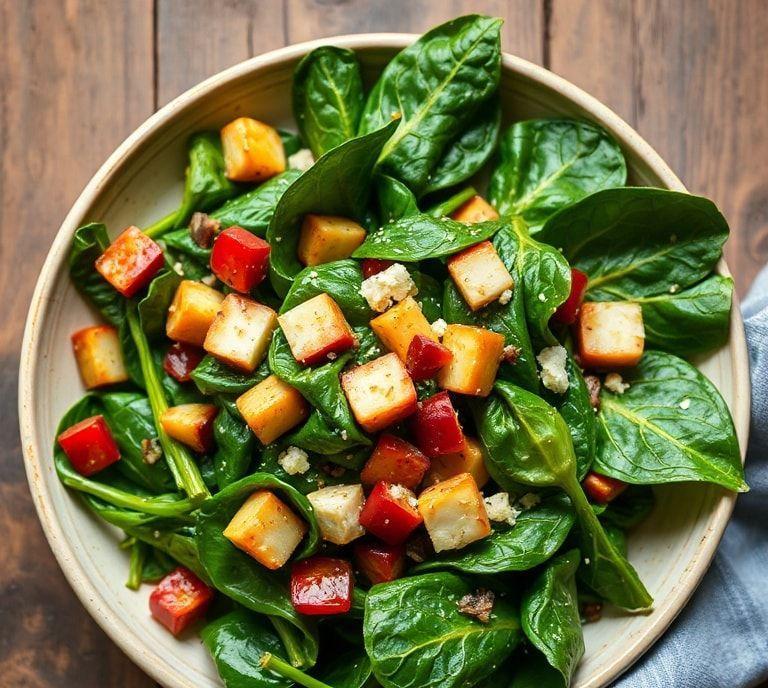
This is the kind of recipe you can throw together quickly, even on a busy weeknight, yet it has the kind of flavors that’ll make you feel like you’re sitting at a cozy bistro. The balance of earthy Swiss chard, garlic, and a bit of lemon juice is exactly what you need to brighten up your meal. This dish works as a side to a grain-based meal, or you can enjoy it on its own with some crusty bread.
Ingredients Needed
For this recipe, you don’t need a whole lot of fancy ingredients. It’s all about getting the basics right, letting the natural flavors of the Swiss chard shine.
- 1 bunch of Swiss chard (red, green, or rainbow)
- 2 tablespoons of olive oil (or butter if you prefer a richer taste)
- 2 cloves of garlic, minced
- 1 lemon (for juice and zest)
- Salt and pepper to taste
- A pinch of red pepper flakes (optional, but adds a nice kick)
- 1/4 cup of vegetable broth (or water if you’re keeping it simple)
- A handful of Parmesan or nutritional yeast (optional for a cheesy finish)
Cooking Instructions
-
Prep The Swiss Chard
Start by washing the Swiss chard thoroughly-this is important because the leaves can sometimes hold onto sand or dirt. After rinsing, you’ll want to remove the stems. You can either discard them, or chop them up to cook alongside the leaves for extra texture. The stems have a slightly firmer bite, so they need a little more time in the pan.
-
Sauté The Garlic And Stems
In a large pan, heat the olive oil over medium heat. Add the minced garlic and sauté for about a minute, just until it starts to release its fragrance. Be careful not to burn it-garlic can turn bitter really quickly. If you’re using the stems, add them now and sauté for 3-4 minutes until they start to soften.
-
Add The Chard Leaves
Toss the Swiss chard leaves into the pan, stir them around to coat them in the oil and garlic. They’ll start to wilt almost immediately. If the pan feels dry, add a splash of vegetable broth or water. This helps the chard steam just a little bit, making it tender without losing that vibrant green color.
-
Season And Finish
Once the leaves have wilted down (this takes just a couple of minutes), squeeze in the juice of half a lemon, and sprinkle some salt, pepper, and red pepper flakes (if using) for a little heat. Stir everything together, and finish with a little lemon zest for a fresh, citrusy zing. Taste and adjust the seasoning if needed.
-
Serve
For a touch of indulgence, sprinkle some freshly grated Parmesan or nutritional yeast on top. It adds a lovely savory depth that pairs perfectly with the bright, green chard.
Ingredient Science Spotlight
Swiss chard, with its hearty leaves and vibrant stems, is a powerhouse of nutrients. It’s rich in vitamins A, C, and K, which support your immune system, skin health, and bone strength. One of the key nutrients in Swiss chard is magnesium, which plays a crucial role in over 300 biochemical reactions in your body. Magnesium helps with muscle function, bone health, and even managing blood pressure.
In addition to magnesium, Swiss chard contains antioxidants like beta-carotene and flavonoids, which help protect your cells from oxidative stress. These antioxidants give the leaves their rich green hue, so the more vibrant the color, the more nutrients you’re getting. The red stems, for example, contain betalains, another type of antioxidant that has been shown to have anti-inflammatory properties.
When you cook Swiss chard, the heat can slightly degrade some of its vitamin C, but it also makes the magnesium and other nutrients more bioavailable. So, cooking it doesn’t take away from its nutritional punch-it just makes some of those nutrients easier for your body to absorb.
Expert Tips
- Don’t Overcook It: Swiss chard wilts fast. You want to cook it just enough to make it tender, but not so long that it becomes mushy. Overcooking can also lead to a loss of flavor and nutrients.
- Use the Stems: The stems are often discarded, but they’re a goldmine for flavor and texture. If you’re sautéing the leaves, chop up the stems into smaller pieces and add them at the start. They’ll cook to a nice, tender bite.
- Try Different Cooking Fats: While olive oil is always a good choice, butter or coconut oil can lend a richer flavor. If you want to make it dairy-free, just skip the cheese at the end.
- Make It a Meal: If you want to turn this into a more substantial dish, add some cooked quinoa or rice to the pan for a quick one-pan meal. Or, you can throw in some beans (chickpeas, white beans, etc.) for added protein.
Recipe Variations
- Add Nuts: Toasted pine nuts or slivered almonds are a great addition for some crunch and nutty richness. You can toss them in at the end for a finishing touch.
- Spicy Chard: If you love spice, throw in a chopped chili or some sriracha sauce while cooking. It’ll balance out the natural earthiness of the chard with a satisfying heat.
- Chard with Eggs: For a breakfast or brunch twist, top your chard with a fried egg or a poached egg. The runny yolk mixes wonderfully with the greens, adding a creamy texture.
- Asian-Inspired Chard: Use sesame oil instead of olive oil, and add a splash of soy sauce and sesame seeds for an Asian twist. A little ginger and garlic will enhance that flavor profile.
Final Words
Swiss chard is one of those foods that feels like it should be intimidating-until you start cooking with it. It’s a green that’s not only versatile but also incredibly satisfying when prepared right. Whether you’re a long-time chard fan or a newbie, this simple, vegetarian recipe brings out the natural beauty of the vegetable and makes it the star of the meal.
Chard doesn’t have to be just a side dish-it can be the centerpiece of a wholesome, delicious meal that’s full of nutrients. Plus, this recipe is endlessly customizable, allowing you to experiment with different ingredients until you find the perfect balance for your taste buds.
FAQs
What Are Some Popular Ways To Prepare Vegetarian Swiss Chard?
Vegetarian swiss chard can be prepared in multiple ways. Common methods include sautéing with garlic and olive oil, adding it to soups and stews, incorporating it into quiches or frittatas, and using it as a filling for savory pastries. It pairs well with ingredients like beans, lentils, mushrooms, onions, and various herbs and spices.
How Do I Properly Clean And Store Swiss Chard Before Cooking?
To clean swiss chard, separate the leaves from the stems if desired, then rinse thoroughly under cold running water to remove dirt and grit. For storage, wrap the unwashed leaves in a damp paper towel and place them in a perforated plastic bag or airtight container in the refrigerator. Fresh swiss chard typically lasts 3-5 days when stored this way.
Can I Use Frozen Swiss Chard For Vegetarian Recipes, And Does It Affect The Taste Or Texture?
Yes, frozen swiss chard can be used in vegetarian recipes. It is best suited for cooked dishes like soups, stews, sautés, and casseroles. While the taste remains largely similar, the texture may become softer or slightly mushy compared to fresh chard. Thawing and draining excess water before cooking can help maintain a better texture.