I’ve always been drawn to the simplicity of tamales-the kind of food that requires time, patience, and a bit of love to get just right. Growing up, tamales were a weekend ritual in my family, and they weren’t just food, they were a celebration. The masa, the filling, the wrapping-they came together in a rhythm that felt almost like a dance. And every tamale had a little something personal about it, a twist or tweak that made it unique.
But here’s the thing: you don’t need to be a seasoned cook to make tamales at home. In fact, if you’ve never tried, the process can feel like an exciting journey. What makes tamales so wonderful is their versatility, and with a few steps and the right ingredients, you can make a vegetarian tamale masa that’s just as hearty, satisfying, and flavorful as its meat-filled counterparts. It’s about getting the right balance of texture, flavor, and heartiness. And trust me, when it all comes together, you’ll be hooked.
Let’s dive into a recipe that’s simple enough for beginners but flavorful enough for even the most seasoned cooks.
Vegetarian Tamale Masa Recipe
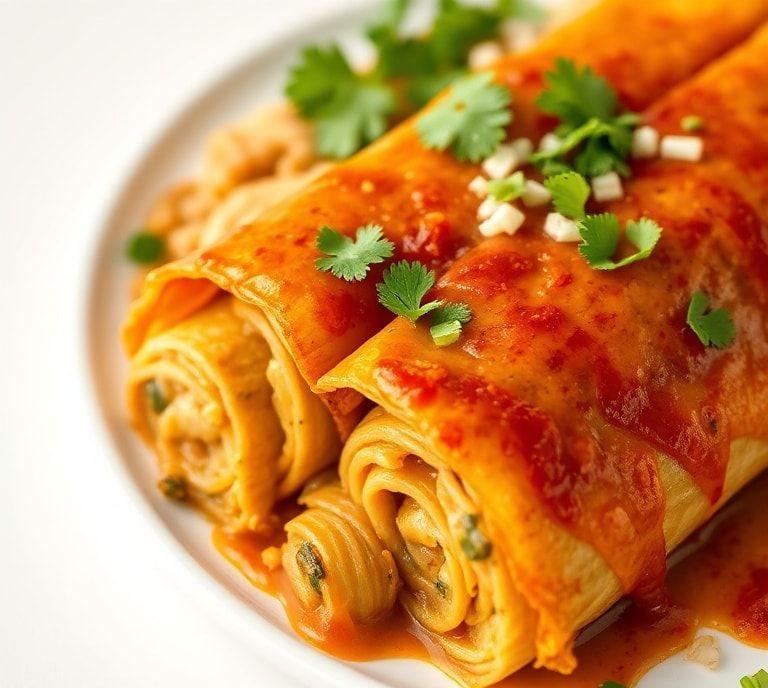
I want to share a tamale masa recipe that’s perfect for vegetarians but still deeply satisfying. The masa itself is the soul of the tamale-it’s what holds everything together and gives that signature texture. While you can fill your tamales with all kinds of delicious things, this masa base will carry any flavor combination you throw at it.
Ingredients
- 4 cups masa harina (the star of the show)
- 1 ½ teaspoons baking powder
- 1 ½ teaspoons salt
- 1 cup vegetable broth (more if needed)
- 1 cup vegetable oil or melted butter (butter gives it an extra richness)
- 1 cup cornmeal (for extra texture)
- 1 ½ cups warm water (adjust as needed)
- 2 tablespoons nutritional yeast (for a cheesy flavor)
This masa recipe is going to be soft, pliable, and slightly fluffy-just the way you want it to be. If you haven’t tried using nutritional yeast before, it’s a vegetarian game-changer. It has this savory, cheesy flavor that makes your tamales feel indulgent, even without cheese. But don’t worry, we’ll get to the flavor science in a bit.
Ingredients Needed
So, what’s in this recipe that makes it come together so beautifully? Let’s break down the ingredients:
- Masa Harina: This is the base. Masa harina is finely ground corn flour used specifically for tamales and tortillas. It’s different from regular cornmeal or flour because it’s treated with an alkaline solution to remove the hulls, making it soft and pliable. This treatment (called nixtamalization) helps it bind better, which is why you can press masa into that perfect tamale shape.
- Baking Powder & Salt: These two are essential for getting a light, fluffy masa. The baking powder adds the lift and the salt, of course, gives flavor. Salt also enhances the corn’s natural sweetness.
- Vegetable Broth & Warm Water: These ingredients hydrate the masa, making it soft and malleable. Using vegetable broth instead of just water brings extra depth of flavor. If you’re feeling adventurous, use a broth made from roasted vegetables for a smoky twist.
- Vegetable Oil (or Butter): The fat in this recipe brings richness and moisture, keeping your tamales from feeling too dry. Butter gives it a slightly sweeter, more indulgent taste, while vegetable oil keeps it neutral.
- Cornmeal: Adding cornmeal to the masa mixture gives your tamales a bit of texture, creating that comforting bite. It also boosts the corn flavor without being overwhelming.
- Nutritional Yeast: This is where the magic happens, especially for vegetarians. It’s a great way to mimic the savory, cheesy taste you might be missing from a traditional tamale recipe that uses lard or cheese.
Cooking Instructions
Making tamales can sound like a daunting process, but trust me, it’s incredibly satisfying when you break it down into manageable steps. Here’s how I do it:
-
Prepare The Masa
In a large mixing bowl, combine the masa harina, cornmeal, baking powder, and salt. Slowly pour in the vegetable broth, followed by the vegetable oil (or melted butter) and warm water. Use your hands to knead everything together, making sure it’s smooth and soft. It should be a little moist but not sticky. Add a bit more warm water if the mixture feels too dry.
-
Rest The Masa
After kneading, cover the bowl with a damp cloth and let the masa rest for about 30 minutes. This gives the flour time to fully absorb the liquids and helps it become more pliable.
-
Soften The Corn Husks
While the masa rests, soak your corn husks in warm water. You’ll need enough to wrap each tamale, so soak a good handful (about 20-30 husks, depending on how big your tamales are). Let them sit for about 20 minutes or until they become soft and flexible.
-
Assemble The Tamales
Take a soaked corn husk and lay it flat. Scoop about 2 tablespoons of masa onto the center of the husk, spreading it out into a rectangle. Add your filling-whether it’s sautéed vegetables, beans, or something else vegetarian-friendly-and then fold the sides of the husk over the masa, and fold the bottom up. It doesn’t have to be perfect, but try to keep the masa from spilling out.
-
Steam The Tamales
Now, the fun part! In a large steamer pot, arrange the tamales upright, with the open end facing up. You might need to pack them tightly so they stay standing. Steam over medium-high heat for about 1 to 1.5 hours. Make sure the water level doesn’t touch the tamales. If necessary, check the tamales after an hour-when they’re done, the masa will pull away from the husk easily.
Ingredient Science Spotlight
Let’s talk about the secret science behind some of these ingredients.
The magic of masa harina comes from the nixtamalization process I mentioned earlier. By soaking corn in an alkaline solution (often lime or wood ash), the corn kernels soften and the nutrients become more bioavailable. This gives masa harina its unique texture and flavor, different from regular cornmeal.
The baking powder gives the masa a light, airy texture that helps the tamales hold their shape. Without it, the masa would be dense and heavy. The air bubbles created by baking powder during the steaming process cause the masa to rise slightly, making it fluffy and easy to bite into.
As for nutritional yeast, it’s the unsung hero of vegetarian cooking. It’s a deactivated yeast that’s packed with B vitamins and has a nutty, cheesy flavor. In tamales, it mimics the richness and savory depth that’s often associated with cheese or meat. It’s a small addition, but it makes all the difference.
Expert Tips
- Test the Masa: Before you start assembling tamales, test a small amount of the masa by steaming it for 10 minutes. If it separates from the husk easily, you’re good to go. If it sticks, you may need to add more liquid or oil to get the right consistency.
- Don’t Overstuff the Tamales: It can be tempting to fill the tamales with tons of filling, but you want to leave enough room for the masa to steam properly. The masa should be the star of the tamale, and too much filling can lead to a soggy tamale.
- Make a Double Batch: Tamales freeze really well. If you’ve gone through the effort of making them, it’s worth doubling the recipe and storing some for later. Just freeze the tamales uncooked and steam them directly from frozen.
Recipe Variations
If you’re looking to mix things up, the filling possibilities are endless. You can try:
- Roasted Sweet Potato and Black Bean Tamales: Sweet potatoes add a rich, slightly sweet flavor that pairs perfectly with savory black beans.
- Mushroom and Spinach Tamales: Sauteé mushrooms and spinach with garlic and onions for a delicious, umami-packed filling.
- Chili and Corn Tamales: For a hearty filling, try a mixture of chili beans and corn kernels, adding a dash of cumin for warmth.
- Spicy Poblano and Cheese Tamales: Use roasted poblanos and a bit of crumbled cotija cheese (or a vegetarian cheese substitute) for a smoky, spicy bite.
Final Words
Tamales are one of those foods that seem intimidating until you actually make them. Once you get the hang of it, they’re incredibly rewarding, and you get to enjoy every part of the process-mixing the masa, choosing the fillings, folding them up, and steaming them to perfection.
It’s also the kind of recipe you can make your own, whether you’re sticking to a traditional masa or adding your own flavor twists. It’s all about playing with ingredients, finding what works, and sharing it with the people you love.
FAQs
What Ingredients Are Essential For A Vegetarian Tamale Masa?
A traditional vegetarian tamale masa typically includes masa harina (corn flour), vegetable broth or water, vegetable oil or melted shortening, baking powder, and salt. Some recipes also incorporate a small amount of sugar to enhance flavor and improve texture. Using vegetable broth instead of meat-based broth ensures the masa remains vegetarian while adding depth of flavor.
How Do You Achieve A Light And Fluffy Texture In Vegetarian Tamale Masa?
The key to light and fluffy tamale masa is proper mixing and the right fat-to-liquid ratio. First, beat the vegetable oil or shortening with the masa harina until the mixture is smooth. Gradually add warm vegetable broth, continuing to beat the mixture until it becomes soft and slightly sticky. Incorporating baking powder helps the masa rise and remain airy during steaming. A simple test is to drop a small piece of masa into cold water-if it floats, it is ready for spreading onto the corn husks.
Can Vegetarian Tamale Masa Be Prepared Ahead Of Time?
Yes, vegetarian tamale masa can be prepared in advance. After mixing, cover the bowl tightly with plastic wrap and refrigerate for up to 24 hours. Before using, bring the masa to room temperature and beat it again briefly to restore its creamy texture. This makes it easier to spread onto corn husks and ensures consistent cooking when steaming.