Tapas, the beloved Spanish tradition, has an irresistible charm-small, bite-sized portions that let you taste a variety of flavors in one sitting. Imagine sitting around a table with friends, glasses of sangria in hand, as a parade of dishes arrives, each offering something new and exciting. Tapas are all about sharing, and while the classics like patatas bravas and gambas al ajillo often steal the show, I’ve always found that vegetarian tapas hold their own in the lineup. They’re vibrant, inventive, and just as satisfying as their meaty counterparts, offering a lighter, yet equally indulgent experience.
Now, don’t get me wrong, I’ve been known to enjoy the occasional chorizo or jamón, but there’s something about the creativity that comes with vegetarian tapas. There’s a beautiful simplicity in letting vegetables shine. I’ve experimented with a few of my favorites over the years, and this recipe for a Mediterranean Roasted Vegetable Tapas is one that always hits the mark. It combines the smoky, earthy flavors of roasted vegetables with the zesty bite of garlic, lemon, and herbs-perfect for a light meal or an appetizer for a tapas-style gathering.
So, let’s get cooking! Here’s how to make a batch of flavorful vegetarian tapas that’ll make you feel like you’re dining under the warm Spanish sun.
Vegetarian Tapas Recipe
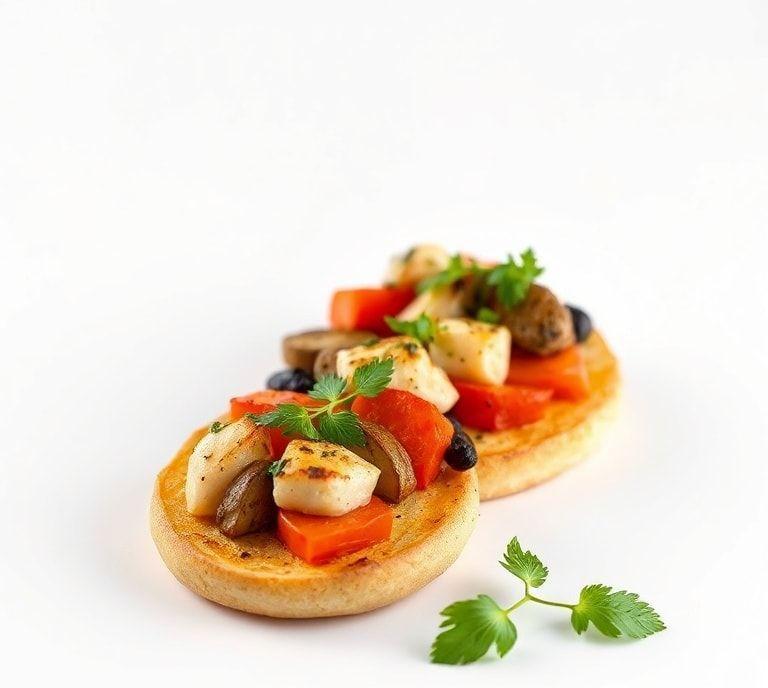
This dish is a celebration of color, texture, and flavor. It’s a platter full of roasted vegetables, paired with a tangy, creamy dipping sauce, offering a perfect balance of savory, sweet, and just a hint of heat. Whether you’re hosting a dinner party or just enjoying a quiet meal, this recipe will make your table feel like a little slice of Spain.
Ingredients Needed
Before you start, gather these simple ingredients. The beauty of this recipe is in the freshness and the quality of the produce. You’ll want your vegetables to really shine, so get the best you can find.
- Mixed Vegetables: I recommend bell peppers (red, yellow, and orange for color), zucchini, eggplant, and cherry tomatoes. These vegetables hold up well to roasting and develop a wonderful caramelization.
- Olive Oil: A good quality extra virgin olive oil is key for roasting and drizzling.
- Garlic: Fresh garlic adds the perfect aromatic base.
- Fresh Herbs: A combination of rosemary, thyme, and parsley works beautifully. Rosemary’s woodsy scent pairs especially well with roasted vegetables.
- Lemon: Fresh lemon zest and juice will bring a refreshing acidity to balance the richness of the oil.
- Paprika: Sweet or smoked paprika adds a subtle smokiness that enhances the roasted flavor.
- Sea Salt & Black Pepper: These will help bring out the natural sweetness of the vegetables.
-
For The Sauce
- Greek Yogurt: For a creamy, tangy base.
- Tahini: Adds depth and nuttiness.
- Lemon Juice: A little extra acidity.
- Garlic: A second round of garlic-because, why not?
- Cumin: A dash of cumin gives a warm, earthy note to the sauce.
- Fresh Parsley: To garnish and brighten the dish.
Cooking Instructions
Start by preheating your oven to 400°F (200°C). The heat is essential for achieving that perfect roasted texture-crispy on the edges, soft in the center.
-
Prepare The Veggies
Wash and chop your vegetables into bite-sized pieces. For the bell peppers and zucchini, you can cut them into strips or chunks, while the eggplant should be sliced into rounds. The tomatoes can stay whole-they’ll burst beautifully in the oven, releasing their juices.
-
Toss With Olive Oil And Seasoning
Place the chopped vegetables in a large bowl. Add a generous glug of olive oil (about 2 tablespoons), minced garlic, a pinch of salt, pepper, smoked paprika, and the fresh herbs. Toss everything together until well-coated. The olive oil should lightly cover each piece, allowing them to roast without drying out.
-
Roast The Vegetables
Spread the seasoned vegetables onto a baking sheet in a single layer. This allows the vegetables to roast evenly and develop that lovely golden color. Pop them into the oven and roast for about 25-30 minutes, stirring halfway through to ensure even cooking. You want them to be tender with some crispy edges-don’t rush this part!
-
Make The Dipping Sauce
While the vegetables are roasting, mix together the yogurt, tahini, lemon juice, minced garlic, cumin, and a pinch of salt in a bowl. Stir it well until it’s creamy and smooth. Taste and adjust the seasoning-add more lemon juice for tang, or a little more garlic if you like things bold.
-
Serve And Garnish
Once the vegetables are done, remove them from the oven and let them cool slightly. Arrange the roasted vegetables on a platter and drizzle with the creamy dipping sauce. Garnish with fresh parsley, a sprinkle of sea salt, and a little extra paprika for color. Serve immediately, ideally with some crusty bread to dip.
Ingredient Science Spotlight
There’s some fascinating science behind why roasting vegetables makes them so irresistible. When vegetables are exposed to high heat, their natural sugars begin to caramelize, giving them that wonderful, rich sweetness that you can’t get with other cooking methods. The Maillard reaction, a chemical reaction between amino acids and reducing sugars, plays a big role here. It’s responsible for that deep, roasted flavor, and it’s why roasted vegetables taste so much more intense than their raw counterparts.
Then there’s the role of olive oil. Not only does it help achieve that crisp exterior, but it also binds with fat-soluble vitamins in the vegetables (like vitamins A, D, E, and K), making them more easily absorbed by your body. Plus, the heart-healthy fats in olive oil add an extra layer of richness.
Expert Tips
- Cutting Vegetables Uniformly: For even cooking, make sure your vegetable pieces are roughly the same size. It sounds simple, but it’s key to making sure everything roasts at the same rate.
- Don’t Overcrowd the Pan: If you crowd the vegetables too closely on the baking sheet, they’ll steam instead of roast, leading to a less crispy texture. Use two pans if needed!
- Use Smoked Paprika: If you’ve never used smoked paprika, you’re in for a treat. It adds an incredible depth of flavor that really enhances the roasted veggies. If you can’t find it, sweet paprika works, but try to seek out the smoked variety for the best result.
Recipe Variations
- Add a Kick: If you like a bit of spice, toss in some chili flakes or a finely chopped fresh chili when seasoning the vegetables.
- Cheese Lover’s Tapas: For a cheesy twist, sprinkle some crumbled feta or goat cheese over the roasted vegetables just before serving.
- Add Grains: Serve your roasted vegetables over a bed of quinoa, couscous, or rice for a more filling meal. It adds an extra layer of texture and makes it more of a one-bowl dish.
- Herb Variations: Experiment with different herbs-basil, oregano, or even fresh mint can bring a new dimension to the dish.
Final Words
One of the best things about vegetarian tapas is how versatile they are. You can swap in whatever vegetables are in season, or whatever you happen to have in your kitchen. They’re perfect for using up leftover veggies, and they always taste fresh. Plus, you don’t need to be a professional chef to pull them off. With a little time, a few simple ingredients, and a touch of love, you’ll have a platter of tapas that can rival any Spanish tapas bar.
FAQs
What Are Some Popular Vegetarian Tapas Recipes?
Popular vegetarian tapas recipes include Patatas Bravas (crispy fried potatoes with a spicy tomato sauce), Pisto (a Spanish ratatouille made with tomatoes, peppers, zucchini, and onions), Escalivada (grilled vegetables such as eggplant, peppers, and onions), and Croquetas de Espinaca (spinach croquettes). These dishes are simple, flavorful, and highlight the variety of fresh vegetables typical in Spanish cuisine.
Can Vegetarian Tapas Be Made Without Dairy Or Gluten?
Yes, vegetarian tapas can be easily adapted to be dairy-free or gluten-free. For example, dishes like Patatas Bravas can be made without dairy by omitting any creamy sauces and using a tomato-based one instead. Gluten-free tapas, such as vegetable skewers, roasted vegetables, or marinated olives, are also great options. Be sure to check the ingredients for hidden sources of gluten or dairy and use substitutes like gluten-free flour or dairy-free cheese when needed.
How Do I Make Vegetarian Tapas Suitable For A Large Party?
To make vegetarian tapas suitable for a large party, consider preparing a variety of dishes that can be easily served buffet-style or as small plates. Dishes like stuffed mushrooms, Spanish tortilla (a potato and egg omelet), and charcuterie platters with hummus, olives, and roasted nuts work well for larger crowds. Preparing components in advance, like chopping vegetables, making sauces, and pre-baking items like empanadas, can help save time on the day of the event.