If you’ve ever found yourself craving that sweet-savory flavor of teriyaki sauce, you know it’s one of those things that can elevate any meal. What makes it so special isn’t just the balance of soy sauce, sugar, and a little bit of heat – it’s the way it seems to bring out the umami in almost everything it touches. That perfect glaze on tofu, a drizzle over roasted veggies, or a dipping sauce for crispy snacks. Honestly, there’s something magical about it.
But what if I told you that you could make your own vegetarian teriyaki sauce, right at home? Trust me, once you’ve tried your hand at making your own, you won’t go back to store-bought. Plus, you can tweak it to fit your own taste buds. Whether you’re trying to cut down on sugar or making sure it’s soy-free, this homemade version gives you the flexibility to adjust as needed. It’s personal, it’s satisfying, and it’s all yours.
Vegetarian Teriyaki Sauce Recipe
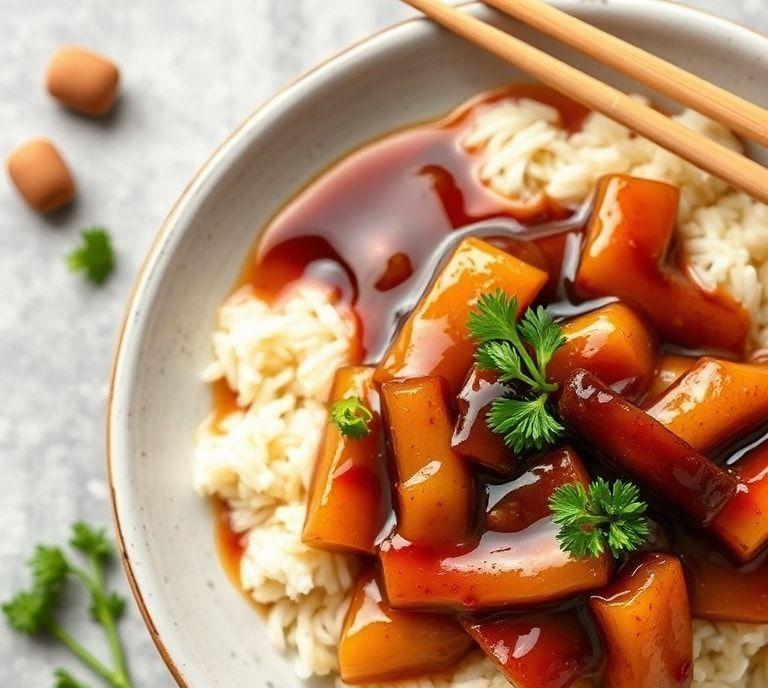
Making a vegetarian teriyaki sauce at home is surprisingly easy, and once you’ve done it a couple of times, you’ll be able to do it from memory. The beauty of this recipe is its simplicity – and its versatility. Whether you’re slathering it on grilled vegetables, tofu, or rice, this teriyaki sauce is your ticket to turning any dish into something special.
Ingredients Needed
- 1/2 cup soy sauce (or tamari for gluten-free)
- 1/4 cup water
- 2 tablespoons rice vinegar
- 2 tablespoons brown sugar (You can swap for maple syrup or coconut sugar if you’re looking for alternatives)
- 1 tablespoon sesame oil (adds that signature nutty depth)
- 1 teaspoon freshly grated ginger
- 2 cloves garlic, minced
- 1 tablespoon cornstarch
- 2 tablespoons cold water (for the cornstarch slurry)
- 1 tablespoon sesame seeds (optional, for garnish)
The beauty of this list? It’s mostly pantry staples. I’m always amazed at how a few basic ingredients can come together to create something so flavorful.
Cooking Instructions
- Start the Sauce: In a saucepan, combine the soy sauce (or tamari) with water, rice vinegar, brown sugar, sesame oil, ginger, and garlic. Stir everything together and bring it to a simmer over medium heat.
- Thicken the Sauce: Once the sauce starts simmering, mix the cornstarch with the cold water to create a slurry (this is the secret to a glossy finish). Slowly pour this slurry into the simmering sauce while whisking. This will help thicken the sauce to that perfect glaze consistency.
- Simmer: Let the sauce simmer for about 5 minutes, stirring occasionally. You’ll notice it begin to thicken and shine.
- Finish and Serve: Once the sauce has thickened to your liking, remove it from the heat. You can either pour it over your favorite dish or let it cool slightly and store it in a jar for later use.
At this point, the sauce is already ready to go – rich, glossy, and perfect for everything from stir-fries to marinades.
Ingredient Science Spotlight
Ever wonder why teriyaki sauce has that irresistible sweetness and savory depth? Let’s break it down:
- Soy Sauce: This fermented concoction is rich in umami – that savory, almost mouth-watering flavor that we crave. It’s the foundation of teriyaki, providing both salt and depth of flavor.
- Brown Sugar: It’s not just about sweetness. Brown sugar brings in that molasses undertone, which contrasts beautifully with the saltiness of the soy sauce. The sugar also caramelizes when heated, giving the sauce its characteristic glossy finish.
- Sesame Oil: While it’s not a heavy hitter in terms of flavor, sesame oil adds a subtle nutty richness to the sauce. It makes the dish feel fuller and rounds out the sharpness of the soy sauce.
- Cornstarch: This little powder is the key to making the sauce glossy and thick. It binds the liquids together, creating a satisfying texture that clings to food.
Understanding the role of each ingredient can help you experiment with substitutions if you’re out of something or want to adjust the flavor. For example, swapping tamari for soy sauce makes it gluten-free, or using maple syrup instead of brown sugar gives it a more natural sweetness.
Expert Tips
Here are some pro tips I’ve learned from my own trial-and-error over the years:
- Balance Your Flavors: Teriyaki sauce is all about balance. Don’t be afraid to taste as you go. If you like it sweeter, add a little more brown sugar or honey. If you like it tangier, a splash more vinegar can do wonders.
- Add Heat (If You Want): If you like a little kick, consider adding a dash of red pepper flakes or a splash of sriracha. The sweetness and spice combo is one of those magical things that makes this sauce so versatile.
- Make it Ahead: Teriyaki sauce can be stored in an airtight container in the fridge for up to two weeks. In fact, the flavors will continue to deepen over time, so it actually gets better!
- Use Fresh Ginger and Garlic: Freshly grated ginger and garlic give the sauce a zing that powdered versions just can’t match. If you’ve ever used pre-minced garlic from a jar, you’ll know what I mean – it just doesn’t have the same vibrancy.
Recipe Variations
Like any good recipe, this one has room to grow. Here are a few variations you can try, depending on what you have on hand or what flavor profiles you prefer:
- Citrus Teriyaki: For a citrus twist, replace the rice vinegar with orange juice or lime juice. This can give your sauce a bright, fresh note that works really well with grilled vegetables or fish.
- Spicy Teriyaki: If you love heat, try adding a tablespoon of gochujang (Korean chili paste) or even a spoonful of chili-garlic sauce. The result will be a bold, spicy teriyaki with a nice layer of heat.
- Maple Teriyaki: Swap the brown sugar for maple syrup. This version has a more earthy sweetness and works wonderfully with roasted root vegetables or tofu.
- Soy-Free Teriyaki: For those avoiding soy, tamari is a great substitute, but if you need it to be completely soy-free, try coconut aminos as the base. It’s a little sweeter but still delivers that rich umami flavor.
Final Words
This vegetarian teriyaki sauce is one of those recipes that makes cooking at home feel like a celebration. It’s easy, customizable, and brings so much flavor to a dish. It works on nearly everything – from stir-fries to salads, tofu to roasted vegetables, and even as a glaze for grilling. Every time I make it, I’m reminded of how simple ingredients can transform into something magical.
Plus, making your own sauce allows you to control the ingredients, adjust for dietary preferences, and experiment with flavors you might not find in a store-bought bottle. It’s rewarding in a way that’s hard to explain until you taste it yourself.
FAQs
What Ingredients Are Needed For A Vegetarian Teriyaki Sauce?
A basic vegetarian teriyaki sauce typically includes soy sauce or tamari, a sweetener such as brown sugar, maple syrup, or honey substitute, garlic, ginger, rice vinegar, and cornstarch or arrowroot powder for thickening. Optional additions can include sesame oil, mirin, or chili flakes to enhance flavor complexity.
How Can I Make Vegetarian Teriyaki Sauce Thicker Without Using Animal Products?
To thicken vegetarian teriyaki sauce, you can use cornstarch or arrowroot powder mixed with cold water to create a slurry, which is then stirred into the simmering sauce. Alternatively, reducing the sauce over low heat will naturally concentrate its flavors and increase viscosity without adding non-vegetarian ingredients.
How Long Can I Store Homemade Vegetarian Teriyaki Sauce?
Homemade vegetarian teriyaki sauce can be stored in an airtight container in the refrigerator for up to two weeks. For longer storage, you can freeze it in small portions for up to three months. Always allow the sauce to cool to room temperature before refrigerating or freezing to maintain flavor and texture.