For as long as I can remember, Thai food has held a special place in my heart. There’s something about the balance of flavors-salty, sweet, sour, and spicy-that makes each bite feel like a little adventure. But what really sets Thai cuisine apart is its vibrant, fragrant pastes and sauces that serve as the backbone of so many dishes. One of my favorites, and a personal staple, is Thai curry paste. The kind of paste that turns a simple vegetable stew into an explosion of flavor, that gives life to otherwise bland tofu, and that can transport you straight to a bustling street market in Bangkok with just one bite.
Now, don’t get me wrong. There’s something magical about buying a jar of curry paste from the store when you’re in a hurry, but making your own is an entirely different experience. It’s not just about the taste-it’s about the process. The chopping, grinding, and simmering of ingredients that have been used in Thai kitchens for centuries. It’s a sensory experience that pulls you into the heart of the dish, allowing you to control every element and personalize it exactly how you like it.
This vegetarian Thai curry paste recipe is a perfect introduction to those who want to experience the full depth of Thai flavors without any animal products. Plus, it’s an incredibly satisfying thing to make from scratch. The best part? You don’t have to be an expert chef to get it right. With the right ingredients and a little patience, you’ll be able to whip up a paste that will make all your Thai-inspired dishes shine.
Vegetarian Thai Curry Paste Recipe
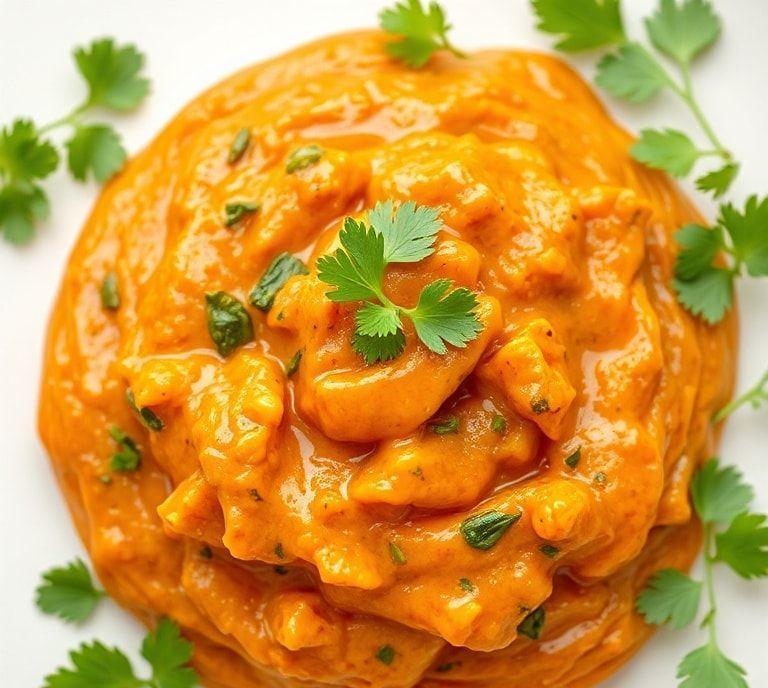
Okay, let’s get into it. This recipe will yield a fragrant, spicy, and tangy curry paste that will set your vegetarian dishes on fire (in a good way!). You can easily adjust the level of heat, depending on how much spice you like. In my case, I always go a little extra with the chilies-but that’s the beauty of making your own paste, right? You can tweak it.
Ingredients Needed
Here’s what you’ll need to gather:
- 2 stalks lemongrass – You’ll want to use the tender part near the base of the stalk. Lemongrass gives the paste its signature citrusy zing.
- 4-5 dried red chilies – Depending on the spice level you prefer. Soaking them will soften them up and make them easier to blend.
- 1 shallot – Sweet, mild, and a little bit onion-y, shallots bring a subtle depth to the paste.
- 4 cloves garlic – Garlic is a staple in Thai cooking and adds that bold aromatic base.
- 1-inch piece galangal (or ginger) – Galangal gives the paste a unique, slightly earthy flavor, but if you can’t find it, fresh ginger is an easy substitute.
- 1 tablespoon coriander root or coriander stems – It’s a game-changer for the earthy herbal notes. If you can’t get the root, stems work too, but make sure to chop them finely.
- 1 teaspoon cumin seeds – These add a smoky, slightly nutty flavor.
- 1 teaspoon coriander seeds – Slightly citrusy and a bit floral, they balance out the deeper, spicier elements.
- 1 tablespoon lime zest – Adds that signature tanginess that balances all the heat.
- 1 tablespoon soy sauce or tamari – For the salty umami. Tamari is a good gluten-free option.
- 1 teaspoon sugar – Just a little to add sweetness and round out the flavors.
- 2 tablespoons vegetable oil – This helps with blending the paste and gives it that silky consistency.
- Optional: 1/2 teaspoon turmeric powder – For color and extra depth, though this is optional.
Cooking Instructions
Step 1: Prepare The Dried Chilies
Start by soaking the dried red chilies in hot water for about 10 minutes to soften them. Once they’re pliable, remove the seeds if you prefer a milder paste (or keep them in if you want it fiery!).
Step 2: Prep The Aromatics
Peel and chop the shallots and garlic. Trim the lemongrass and cut it into smaller pieces, and if you’re using galangal, slice it thinly. For the coriander, just chop the roots or stems finely. If you’re using turmeric, peel and chop it into small bits.
Step 3: Toast The Spices
Heat a small dry pan over medium heat and toast the cumin and coriander seeds for a couple of minutes until fragrant. You’ll know they’re ready when they start to pop. This little step brings out their oils and intensifies the flavor.
Step 4: Grind It All Together
Now comes the fun part. You can use a mortar and pestle for an authentic approach (and the best flavor), or if you’re like me and want to save some time, a blender or food processor will do. Add all your ingredients-soaked chilies, lemongrass, shallot, garlic, galangal, coriander, lime zest, sugar, soy sauce, turmeric (if using), and toasted spices-into the blender or mortar. Add a splash of vegetable oil and blend everything until smooth.
Step 5: Adjust Consistency
If the paste is too thick, just add a little more oil until it’s at a consistency that’s easy to work with. You want it to be thick but spreadable, like a paste you can easily mix into dishes.
Step 6: Store Or Use Immediately
If you’re not using the paste right away, store it in an airtight container in the fridge. It should keep for about a week. You can also freeze it in small portions, which is perfect for when you want to whip up a curry without the prep work later on.
Ingredient Science Spotlight
Now, I know it might seem like a lot of ingredients, but each one plays an important role. Take lemongrass, for example-its citrusy notes are the foundation of many Thai dishes. It’s a tough plant, so it needs to be smashed or chopped to release its oils. Galangal (or ginger if you can’t find it) is another standout. It’s often described as a ’flavor bridge’ because it brings together elements of both savory and sweet.
The dried chilies? Well, they’re the heat-giving your paste that signature kick. But here’s the trick: they also impart a rich, slightly smoky flavor that you just can’t get from fresh chilies. The cumin and coriander seeds provide the warmth and complexity that make the paste feel grounded and earthy, while the lime zest offers that zippy freshness.
The balance of all these elements is what makes Thai curry pastes so magical. It’s the way the acid, heat, and sweetness dance together in perfect harmony.
Expert Tips
- Balance your spices: It’s easy to go overboard with one particular ingredient (especially the chilies!). Taste your paste as you go and adjust to make sure it has that perfect balance.
- Use a mortar and pestle: I know, it takes a little more effort, but the texture and depth of flavor from hand-grinding your paste is incomparable. It helps release the oils in the ingredients in a way that machines just can’t replicate.
- Don’t rush it: This isn’t a 5-minute recipe. Let the paste sit in the fridge for a day or two before using it if you can. It allows the flavors to meld and develop more complexity.
- Scale up: Double or triple this recipe and store it. I always make more than I need because it freezes so well, and then I have it on hand for future meals.
Recipe Variations
- Red vs. Green: If you prefer a green curry paste, simply swap the dried red chilies for fresh green ones. The flavor will be slightly different-green curry is typically a little more herbal-but equally delicious.
- Add more lemongrass: If you’re someone who loves that bright, citrusy flavor, add more lemongrass to the paste. It’s a nice way to shift the flavor profile.
- Spicier? Add bird’s eye chilies: For those who can handle the heat, throwing in a couple of bird’s eye chilies will up the spice factor without sacrificing flavor.
Final Words
Making your own curry paste is one of those things that takes a little time, but the payoff is huge. It’s not just about cooking-it’s about crafting something from scratch, something personal. And while store-bought pastes are convenient, they just can’t match the complexity and freshness of the real deal. When you’ve got this homemade curry paste on hand, you’ve got the power to make any curry, soup, stir-fry, or marinade a showstopper.
FAQs
What Ingredients Are Typically Used In A Vegetarian Thai Curry Paste?
A traditional vegetarian Thai curry paste includes ingredients such as dried red chilies, garlic, shallots, galangal, lemongrass, kaffir lime leaves, turmeric, coriander root, and spices like cumin and coriander seeds. It can be made without shrimp paste or fish sauce to maintain its vegetarian status.
Can I Substitute Fresh Ingredients With Dried Or Powdered Versions When Making Vegetarian Thai Curry Paste?
Yes, you can substitute fresh ingredients with dried or powdered versions if necessary. For example, dried kaffir lime leaves or lemongrass powder can be used instead of fresh lemongrass. However, fresh ingredients often provide a more vibrant and aromatic flavor, so if possible, it’s best to use fresh ingredients.
How Can I Make The Vegetarian Thai Curry Paste Spicier Or Milder?
To adjust the spice level of your vegetarian Thai curry paste, you can increase or decrease the number of dried red chilies. For a milder paste, reduce the number of chilies or remove their seeds. For a spicier version, you can add more chilies or use hotter varieties like bird’s eye chilies. Always taste test during the process to ensure the flavor is to your liking.