Thai Green Curry is one of those dishes that immediately transports you to another place. The moment you take the first spoonful, it’s like you can feel the warmth of the sun, the spice of the fresh herbs, and the richness of the coconut milk all at once. I remember the first time I had a proper bowl of Thai green curry. It was in a little hole-in-the-wall Thai restaurant tucked away in a street corner, far away from the tourist traps. The curry was so vibrant with its fresh green color and smelled of herbs, coconut, and spice. I’d never tasted anything like it. Now, every time I make it at home, I find that same sense of comfort and joy in the flavors.
What makes Thai Green Curry so unique, and what really elevates the experience, is the balance of spice, creaminess, and aromatic depth. While the typical version is often made with chicken, pork, or beef, there’s something special about crafting a vegetarian version. This recipe dials up the veggies while keeping all the complexity of the dish intact. You can feel good about the ingredients in this dish without compromising on flavor, and the richness from coconut milk gives it that silky, almost luxurious texture.
Now, let’s get into making this vegetarian Thai Green Curry with coconut milk, a recipe that’s both easy to make and incredibly rewarding.
Vegetarian Thai Green Curry Coconut Milk Recipe
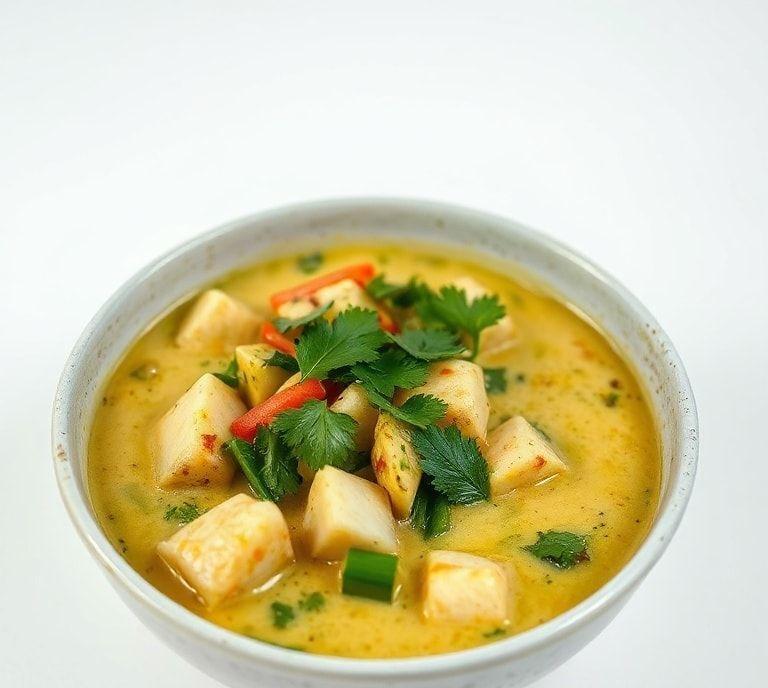
This recipe serves 4 and is the perfect dish to whip up for dinner when you’re craving something comforting yet packed with fresh, vibrant flavors. The key is in the balance of heat, sweetness, and creamy coconut goodness.
Ingredients Needed
-
For The Curry Paste
- 2-3 fresh green chilies (adjust to your spice level)
- 1 tablespoon grated ginger
- 3 cloves garlic
- 2 stalks lemongrass (outer layer removed, chopped)
- 1 tablespoon ground coriander
- 1 tablespoon ground cumin
- 1 teaspoon turmeric
- Zest and juice of 1 lime
- 1-2 tablespoons soy sauce (or tamari for gluten-free)
- 1 tablespoon olive oil (or vegetable oil)
-
For The Curry
- 1 can (400 ml) coconut milk (full-fat for richness)
- 1 cup vegetable broth (or water if you prefer)
- 1 cup chopped sweet potatoes (peeled)
- 1 cup broccoli florets
- 1 cup sliced mushrooms (shiitake, cremini, or button mushrooms)
- 1 medium bell pepper, thinly sliced
- 1 cup snow peas or green beans
- 1 cup baby spinach or Thai basil for garnish
- 1 tablespoon coconut oil (for frying)
- Salt to taste
-
Optional Toppings
- Fresh cilantro
- Lime wedges
- Chopped peanuts or cashews
Cooking Instructions
-
Make The Green Curry Paste
Start by blending all the curry paste ingredients in a food processor or mortar and pestle. The smell is going to be incredible-spicy, zesty, and full of those fresh herbal notes. If you’ve ever made curry paste from scratch, you know that this step really sets the tone for the whole dish. The fresh chilies, lemongrass, and lime zest give the paste an aromatic depth that jarred pastes can’t match.
-
Prepare The Vegetables
While your paste is coming together, chop the vegetables into bite-sized pieces. I like to have a mix of colors and textures, with sweet potatoes offering sweetness, mushrooms providing umami, and broccoli and snow peas giving a satisfying crunch.
-
Cook The Curry Paste
In a large pot or deep skillet, heat the coconut oil over medium heat. Add your freshly made curry paste and cook it for about 2 minutes, stirring constantly. You’ll know it’s ready when the aroma fills the kitchen and the paste becomes fragrant. This step helps to release the essential oils and spices in the paste, which is key to unlocking that authentic flavor.
-
Add The Coconut Milk & Broth
Pour in the coconut milk and vegetable broth (or water) to create the base of your curry. Stir well to dissolve the paste into the liquid, and bring it to a simmer. If you like your curry extra creamy, you can add more coconut milk. Let it simmer for about 10 minutes, allowing the flavors to meld together.
-
Cook The Vegetables
Add the sweet potatoes first, as they take the longest to cook. After about 5 minutes, add the remaining vegetables-broccoli, bell peppers, mushrooms, and snow peas. Continue simmering for another 7-10 minutes until everything is tender but still vibrant.
-
Finishing Touches
Taste the curry and add salt as needed. Once the vegetables are tender and the flavors are well-combined, stir in the spinach or basil for a fresh pop of green. If you like extra heat, add a few more slices of chili at this point.
-
Serve
Ladle the curry into bowls, garnishing with fresh cilantro, lime wedges, and a sprinkle of chopped peanuts or cashews for crunch. Serve with jasmine rice or rice noodles to soak up all that delicious coconut broth.
Ingredient Science Spotlight
One of the magical things about this curry is the coconut milk. Coconut milk is much more than just a rich liquid-it’s an emulsion of coconut fat and water. This emulsification gives it that velvety texture that makes the curry feel luxurious. It’s also full of healthy fats, particularly medium-chain triglycerides (MCTs), which are easily digested and used for energy.
Coconut milk pairs wonderfully with the heat from the fresh chilies and the tartness of lime, creating a harmony of flavors. The sweet potatoes add a starchiness that helps balance the spiciness, and they absorb the curry flavors beautifully. The use of lemongrass and turmeric brings a fragrant, earthy note, while the ginger adds a gentle warmth.
Expert Tips
- Balance the Spice: If you’re unsure about the heat from the green chilies, start with just one or two, and add more later. You can always control the spice level by adjusting the amount of curry paste used.
- Make it Ahead: Like most curries, this dish tastes even better the next day. If you’re planning for leftovers, let it cool to room temperature and store it in an airtight container in the fridge. It’ll keep for up to 3 days.
- Don’t Overcook the Veggies: This is key! You want them to retain some bite and vibrancy, so avoid overcooking. The sweet potatoes should be tender, but the broccoli, bell peppers, and mushrooms should still hold their shape and color.
- Experiment with Protein: If you’re not strictly vegetarian but want a more filling dish, try adding tofu, tempeh, or even seitan. If you want something meaty, you can also add chicken, but be sure to adjust the cooking time accordingly.
Recipe Variations
- Spicy Thai Green Curry with Pineapple: Add a few chunks of fresh pineapple to the curry for a sweet contrast to the spicy and creamy base. The acidity from the pineapple works wonderfully with the rich coconut milk.
- Vegan Thai Green Curry: This recipe is already vegan-friendly, but if you want to elevate it even further, add a dollop of cashew cream in place of the coconut milk for a different creamy texture. It’s a great option if you’re looking for a nutty, silky base.
- Thai Green Curry Soup: If you prefer a lighter, broth-based version, increase the amount of vegetable broth and coconut milk, and omit the starchier vegetables like sweet potatoes. This will result in a soupier version of the curry that’s perfect for a lighter meal.
Final Words
Creating your own Thai Green Curry at home is one of those simple pleasures that feels like a little victory every time. It’s a beautiful balance of spicy, savory, creamy, and aromatic, and it’s versatile enough that you can play around with the ingredients based on what’s in season or what you have in your pantry. The beauty of a homemade curry is that it can be adjusted to fit your exact tastes, whether you like it spicier, creamier, or packed with even more veggies.
FAQs
What Vegetables Are Best For A Vegetarian Thai Green Curry With Coconut Milk?
For a vibrant and flavorful vegetarian Thai green curry, a variety of vegetables can be used. Common options include bell peppers, zucchini, eggplant, carrots, baby corn, mushrooms, and peas. Leafy greens like spinach or Thai basil also add a fresh touch. The key is to use vegetables that hold up well to cooking and absorb the flavors of the curry.
Can I Make A Vegetarian Thai Green Curry With Coconut Milk Ahead Of Time?
Yes, vegetarian Thai green curry with coconut milk can be made ahead of time. In fact, the flavors often develop even further when allowed to sit for a few hours or overnight in the fridge. To reheat, simply warm it gently on the stove, adding a splash of coconut milk or water if it has thickened too much. However, avoid overcooking the vegetables when reheating to retain their texture.
How Can I Make A Vegetarian Thai Green Curry Spicier Or Milder?
The spice level in a vegetarian Thai green curry can be adjusted based on personal preference. To make it spicier, add more green curry paste or include fresh chili peppers such as bird’s eye chilies. For a milder version, reduce the amount of curry paste or use a mild coconut milk variety. You can also balance the heat with a bit of sugar or lime juice to adjust the flavor profile.