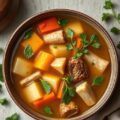
Vegetarian Tikka Masala has always held a special place in my heart. Growing up, my family didn’t always follow strict food traditions, but we did have a knack for experimenting with flavors. One of those experiments was a homemade version of Tikka Masala, inspired by the hearty, warming dishes we’d enjoy at our local Indian restaurant. Over the years, I’ve perfected my own recipe, and it’s one of those dishes that never fails to bring comfort, warmth, and a hint of spice to any meal.
What’s so wonderful about this recipe is its versatility. Whether you’re vegetarian, vegan, or just looking to eat more plant-based meals, it delivers the rich, creamy textures and vibrant flavors that are so iconic to Tikka Masala, without any meat. It’s an easy, satisfying dish that feels like a treat, but it’s also surprisingly easy to make at home. If you’ve ever wondered how to make that restaurant-style sauce with your own two hands, I’ve got you covered.
Vegetarian Tikka Masala Sauce Recipe
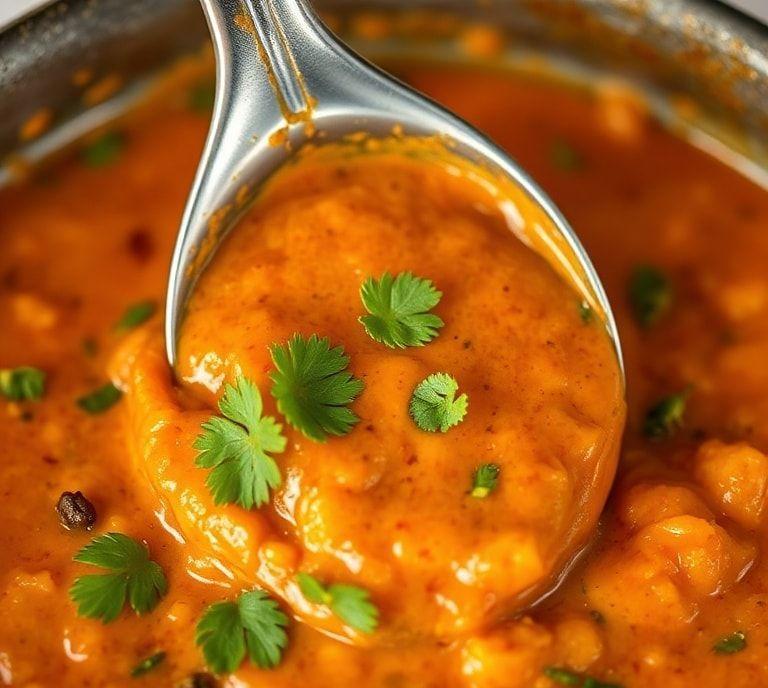
The key to a great vegetarian Tikka Masala is all about the sauce. I’ve tried numerous variations over the years, but there’s something magical about the balance of spices, cream, and tomatoes that makes this sauce irresistible. In this version, the sauce is hearty enough to make any vegetable feel indulgent, but not so rich that it overpowers the subtle sweetness of the tomatoes and the warmth of the spices.
I love how easy it is to pull together once you have your ingredients prepped. The beauty of this recipe is how flexible it is. You can use whatever vegetables you like or whatever’s in season, from cauliflower to spinach, peas, or even mushrooms. So, let’s dive in and make a sauce that’s bursting with flavor.
Ingredients Needed
To make the perfect vegetarian Tikka Masala sauce, you’ll need a few simple ingredients. These are the building blocks that create that rich, complex flavor we all crave when eating Indian food:
- Tomatoes (fresh or canned): Tomatoes form the base of the sauce. They give it that deep, slightly tangy flavor that complements the rich spices.
- Onions: They add a bit of sweetness and serve as the aromatic foundation of the dish.
- Ginger and garlic: The fresh, zesty bite from ginger and the savory warmth of garlic bring an incredible depth of flavor.
- Spices: This is where the magic happens. You’ll need garam masala, turmeric, cumin, coriander, smoked paprika, and chili powder. Don’t skip any of these! They each play a role in balancing the heat, sweetness, and earthiness.
- Coconut milk or heavy cream: This makes the sauce creamy, rich, and smooth. Coconut milk adds a subtle sweetness, but you can use heavy cream for a more traditional approach.
- Cilantro (for garnish): Fresh cilantro brings a burst of freshness and color to the final dish.
- Vegetable broth or water: This helps adjust the consistency of the sauce, making it just the right texture to coat your favorite vegetables.
Cooking Instructions
Once you’ve gathered your ingredients, it’s time to get cooking. The process is pretty straightforward, but every step is crucial for developing those layered flavors.
- Sauté the Aromatics: Start by heating some oil in a large pan over medium heat. Once it’s hot, toss in the chopped onions. Stir them around for 5-7 minutes until they turn golden and soft. Add in the ginger and garlic, and cook for another 1-2 minutes, allowing those fragrant aromas to fill your kitchen.
- Spices, Please!: Now it’s time to add the spices. This is where the magic happens. Stir in the garam masala, turmeric, cumin, coriander, smoked paprika, and chili powder. Let them cook for about a minute to release their essential oils and deepen the flavors. The smell will be intoxicating.
- Tomatoes, Tomatoes: Add the chopped tomatoes or canned tomatoes to the pan. Stir well to combine with the spices and let them simmer for 10 minutes, until the tomatoes break down and the sauce starts to thicken. This is when you want to taste and adjust any seasoning, adding salt or a touch of sugar if needed.
- Blend It: Now, for the smooth, velvety texture. If you want a rustic-style sauce, you can leave it chunky. But for that smooth, creamy Tikka Masala texture, use an immersion blender or transfer the mixture to a blender. Blend until smooth, then return it to the pan.
- Bring It All Together: Pour in your coconut milk or heavy cream. Add vegetable broth or water to thin it out to your desired consistency. Stir everything together and let it simmer for another 5-10 minutes so the flavors meld together.
- Final Touch: Once the sauce is at the perfect consistency, it’s time to taste one last time and adjust. Add a squeeze of lime or lemon for a little acidity, a pinch of sugar if it needs sweetness, or a sprinkle of salt if it’s lacking that final punch.
Now you’re ready to serve! Pour the sauce over your favorite veggies, whether they’re roasted cauliflower, sautéed spinach, or chickpeas. Garnish with fresh cilantro and serve alongside rice or naan bread. Enjoy!
Ingredient Science Spotlight
While cooking, I’ve become more fascinated by the science behind the ingredients we use, especially in a dish like Tikka Masala. Take, for example, coconut milk. It’s not just there for creaminess; its natural fats help dissolve fat-soluble compounds in the spices, unlocking their flavors in a way water or broth can’t. The turmeric, known for its active compound curcumin, isn’t just adding color; it’s actually an antioxidant and anti-inflammatory powerhouse.
Then there’s garam masala-a blend of spices that’s both aromatic and warming. The careful combination of cumin and coriander offers earthiness, while cinnamon and cardamom bring sweetness and complexity. Each spice works in harmony, balancing the richness of the coconut milk or cream and the slight acidity of the tomatoes.
Finally, ginger and garlic are more than just flavor enhancers; they act as natural digestive aids, helping break down food for easier absorption of nutrients. These two ingredients are as functional as they are flavorful.
Expert Tips
- Don’t Rush the Spices: When adding spices, let them toast in the oil before adding the tomatoes. This releases the essential oils and brings out the depth of their flavor.
- Balance is Key: Always taste as you go. If the sauce feels too acidic, a teaspoon of sugar can balance it out. If it’s too rich, a little more lime juice or a pinch of salt can bring everything back into harmony.
- Use Fresh Ingredients: Fresh ginger and garlic will always yield better results than the pre-minced versions. The fresher, the better!
- Make it Ahead: This sauce only gets better the longer it sits. If you have time, make it the day before and let it rest in the fridge overnight. It allows the flavors to meld and develop even further.
- Adjust Consistency: If your sauce gets too thick, just add more coconut milk or vegetable broth. If it’s too thin, simmer it for a bit longer to reduce and concentrate the flavors.
Recipe Variations
While the base of the dish is set in stone, there are endless ways to adapt this recipe to suit your tastes or what you have on hand:
- Add Protein: For extra substance, you can add chickpeas, paneer, or tofu. Simply sauté them with the sauce for a complete meal.
- Different Veggies: Cauliflower, bell peppers, peas, or even zucchini are great additions. You can either roast them beforehand for extra flavor or cook them in the sauce itself.
- Spice It Up: If you like more heat, add extra chili powder or some chopped green chilies when sautéing the onions.
- Vegan Option: Swap the cream for cashew cream or coconut cream to keep it plant-based.
Final Words
There’s something special about making your own Tikka Masala sauce at home. It’s rich, comforting, and full of flavor-just like the dishes I remember from my childhood, but better. Whether you’re looking to impress friends or just treat yourself to something cozy, this recipe will hit the spot.
FAQs
What Ingredients Are Needed For A Vegetarian Tikka Masala Sauce?
To make a vegetarian tikka masala sauce, you will need ingredients such as tomatoes, onion, garlic, ginger, garam masala, turmeric, cumin, coriander, paprika, and heavy cream. You will also need vegetable oil, salt, and cilantro for garnish. Optionally, add a bit of sugar to balance the acidity of the tomatoes.
Can I Make A Vegan Version Of Vegetarian Tikka Masala Sauce?
Yes, you can easily make a vegan version of the vegetarian tikka masala sauce. Replace the heavy cream with coconut milk or cashew cream for a rich, creamy texture. Make sure to check all other ingredients to ensure they are plant-based, such as using vegetable oil instead of butter.
How Do I Adjust The Spice Level In Vegetarian Tikka Masala Sauce?
To adjust the spice level in vegetarian tikka masala sauce, you can modify the amount of chili powder, paprika, or cayenne pepper according to your taste. For a milder sauce, reduce the amount of these spices, or omit them altogether. For a spicier sauce, increase the chili powder or add chopped fresh green chilies.