When the weather is warm and I’m craving something fresh, vibrant, and light, there’s one dish that always hits the spot-vegetarian vermicelli noodles. It’s the perfect balance of crunchy, tender, savory, and slightly tangy all in one bowl. For years, I’ve loved experimenting with different versions of this dish, whether I’m serving it as a main course or as a refreshing side to a larger meal.
There’s something so satisfying about the way the noodles soak up all the flavors, while the fresh herbs and veggies bring it to life. This dish has a way of feeling fancy and indulgent without being heavy-just what I want when I’m in the mood for something light but full of flavor. What I love most about it is how versatile the recipe is-you can swap in different vegetables, try a new dressing, or toss in some crunchy toppings for texture.
It’s also perfect for customizing depending on what’s in your fridge. There’s no hard-and-fast rule to making it; it’s all about layering different textures and tastes to get the perfect bite. So, if you’ve ever craved a delicious, no-fuss noodle bowl that’s light yet satisfying, look no further. Let’s dive into this vegetarian vermicelli noodle recipe that’s sure to impress even the most seasoned home cooks!
Vegetarian Vermicelli Noodle Recipe
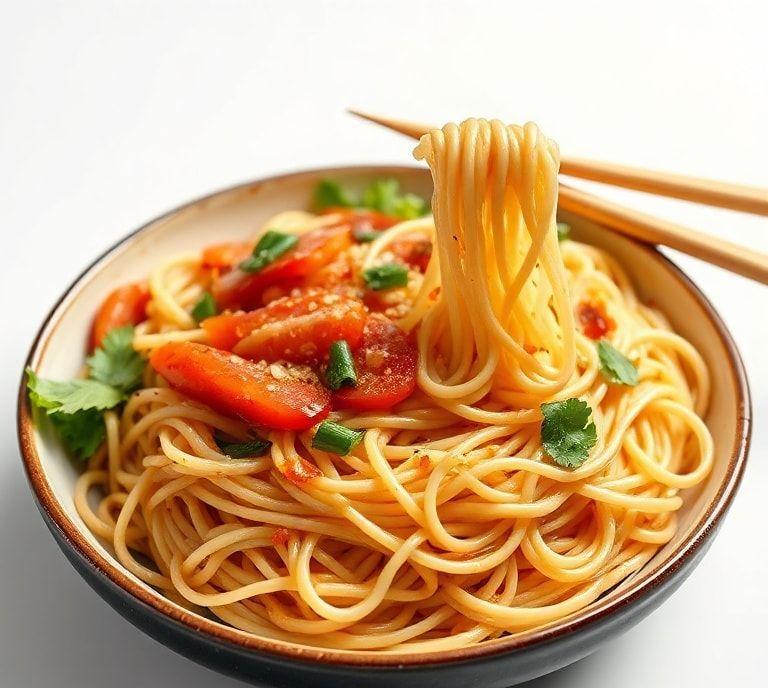
Let’s break this down step by step. The beauty of vegetarian vermicelli noodles lies in the simplicity of the ingredients. I’ve made versions with all sorts of veggies over the years, but this one hits just the right note. You get the soft noodles, crisp veggies, and a tangy, umami-packed sauce that pulls everything together. The key to this recipe is fresh, quality ingredients-no shortcuts here.
Ingredients Needed
Here’s what you’ll need for this delicious noodle dish. It might look like a lot, but it all comes together in no time!
- Vermicelli noodles (rice noodles work great, but you can experiment with other thin noodles)
- Cucumber (fresh, crunchy, and just the right amount of coolness)
- Carrot (julienned for that satisfying crisp bite)
- Red bell pepper (adds color and sweetness)
- Fresh herbs like cilantro, mint, and Thai basil (trust me, these herbs elevate the dish and give it an unmistakable fragrance)
- Green onions (they provide a mild onion flavor and some extra crunch)
- Lime (for zest and a bit of tang)
- Toasted sesame oil (this is the secret ingredient to tie it all together with its nutty richness)
- Soy sauce or tamari (for that salty depth)
- Rice vinegar (for balance, the acidity cuts through the richness)
- Sugar (just a little to round out the flavors)
- Crushed peanuts or cashews (for crunch)
- Chili flakes or sliced fresh chili (optional, but they add a nice kick)
Cooking Instructions
- Prepare the noodles: Start by cooking your vermicelli noodles according to the package instructions. Usually, this means boiling them in water for just 3-4 minutes until they’re soft and slightly chewy. Drain them and rinse under cold water to stop the cooking process and keep them nice and fresh. Set them aside to drain well.
- Prep the veggies: While the noodles are cooking, get your vegetables ready. Slice the cucumber, julienne the carrot, and thinly slice the bell pepper. Chop the green onions, and tear up your fresh herbs.
- Make the dressing: In a small bowl, whisk together sesame oil, soy sauce, rice vinegar, sugar, and lime juice. Taste it to see if it needs a little more sweetness or acidity, adjusting as you go.
- Assemble the dish: In a large bowl, toss together the noodles, veggies, and herbs. Pour the dressing over everything, and mix well to coat.
- Add toppings: Sprinkle the chopped peanuts or cashews on top, and if you like a bit of heat, add the chili flakes or fresh slices of chili.
- Serve and enjoy: The dish can be served chilled or at room temperature. It’s one of those recipes that actually gets better as it sits for a bit, letting the flavors meld.
Ingredient Science Spotlight
There’s something magical about the simplicity of vermicelli noodles. Made from rice flour, they’re naturally gluten-free, which is great for those with dietary restrictions. But it’s the combination of the other ingredients that makes this dish special.
- Sesame oil: This is a key ingredient not just for flavor but for its health benefits. Sesame oil is rich in polyunsaturated fats and antioxidants, particularly sesamol and sesamin, which have been shown to promote heart health and lower inflammation.
- Rice vinegar: A little bit of acidity goes a long way. Rice vinegar has a gentle tang compared to other vinegars, and it adds brightness to the dish without overwhelming it. It also has some surprising health benefits, such as aiding digestion and balancing blood sugar levels.
- Peanuts/Cashews: Both are packed with healthy fats, protein, and fiber. Peanuts, in particular, are a good source of niacin, which supports healthy skin, and cashews are rich in magnesium, great for muscle and nerve function.
- Herbs: Mint and cilantro are more than just for garnish. These herbs are packed with antioxidants and essential oils that can support digestion and offer anti-inflammatory benefits. Plus, they add that fresh pop of flavor that makes this dish feel so lively.
Expert Tips
- Make it ahead: This dish actually gets better after it sits for a while. The noodles and vegetables soak up the dressing, and all the flavors have time to meld. If you’re prepping it for a party or meal prep, it’s perfect for making in advance. Just be sure to keep the crunchy toppings separate until you’re ready to serve.
- Add some protein: If you want to make this more filling, you can add some tofu or tempeh. Pan-fry it until it’s crispy on the outside and toss it in with the noodles for added texture and protein.
- Play with the dressing: You can get creative with the dressing by adding a little peanut butter for richness, or a dash of sriracha for extra heat. The balance of salty, sweet, tangy, and savory is key, so feel free to adjust it until it’s just right for your taste buds.
- Use fresh noodles: If you can find fresh rice vermicelli noodles, give them a try. They’ll give you a soft, slightly chewy texture that dried noodles just can’t match.
Recipe Variations
This dish is incredibly versatile, and you can play around with different ingredients depending on what’s available or what you’re craving.
- Grilled Vegetables: You can easily switch out the raw veggies for grilled ones. Grilled zucchini, eggplant, or mushrooms would add a nice smoky depth.
- Fruits: Add some tropical flair by tossing in diced mango, pineapple, or even pomegranate seeds for sweetness and a burst of color.
- Sauce Twist: Swap out the soy sauce for tamari (if you’re gluten-free) or try a hoisin sauce base for a sweeter take.
- Add more crunch: If you love texture, try adding some crispy fried onions or crispy shallots on top. It gives the dish a satisfying crunch that complements the tender noodles.
Final Words
Vegetarian vermicelli noodles are one of those dishes that perfectly straddles the line between light and satisfying. Whether you’re craving something fresh for lunch or preparing a side dish for a family dinner, it’s adaptable, vibrant, and full of flavor. It’s a dish I find myself making time and time again, and no matter how many variations I try, it always feels like home. The beauty of it is in the simplicity: you don’t need to overthink it-just throw everything together, and you’ll have a dish that’s both delicious and nourishing.
FAQs
What Ingredients Are Essential For A Vegetarian Vermicelli Noodle Recipe?
The essential ingredients typically include vermicelli noodles, a variety of fresh vegetables such as bell peppers, carrots, cabbage, and onions, along with garlic and ginger for flavor. Soy sauce, sesame oil, and optional chili or other spices are often used to enhance the taste. Some recipes may also include tofu or tempeh for added protein.
How Do I Cook Vermicelli Noodles Without Them Becoming Mushy?
To prevent vermicelli noodles from becoming mushy, soak them in hot water for 5-10 minutes until they soften, then drain and rinse with cold water immediately. When stir-frying, add the noodles last and toss gently with the vegetables and sauce just until heated through, avoiding overcooking. This preserves their texture and prevents them from sticking together.
Can I Make This Recipe Vegan, And What Substitutions Should I Use?
Yes, this recipe can easily be made vegan. Ensure that all sauces used are free from animal products, such as replacing oyster sauce with mushroom or soy-based alternatives. Avoid using eggs or dairy; instead, rely on plant-based proteins like tofu or tempeh and vegetable stock if needed. The dish will remain flavorful and nutritious with these adjustments.