When it comes to food, there’s something special about a dish that combines fresh herbs, bold flavors, and a delicate balance of sweet, salty, and sour. Vietnamese cuisine, with its vibrant use of fresh ingredients and aromatic herbs, has always stood out for me. The flavors are as complex as they are harmonious, and the cooking techniques, though simple, bring out the best in every ingredient.
I first got hooked on Vietnamese food during a trip to Ho Chi Minh City, where I had my first bowl of pho. It wasn’t just the broth, but the way everything in the bowl-noodles, herbs, and spices-worked together. I left that meal feeling like I’d just experienced something that was both comforting and completely new. And since then, I’ve been on a mission to recreate that magic in my own kitchen, but with a vegetarian twist, of course.
This vegetarian Vietnamese recipe captures that same essence of Vietnamese food: light, fresh, and with just enough spice to make it exciting without overwhelming your palate. It’s perfect for anyone looking for a lighter, plant-based option that doesn’t skimp on flavor.
Vegetarian Vietnamese Recipe
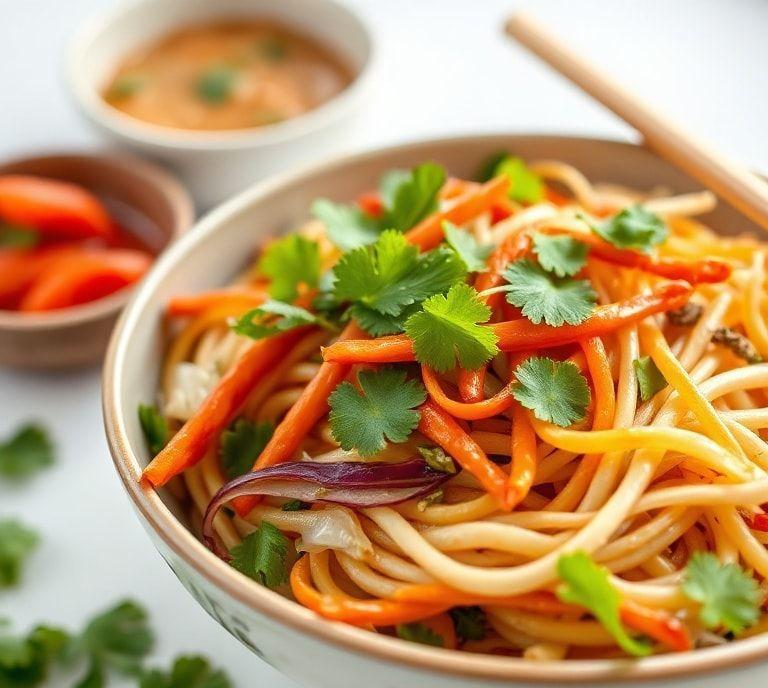
The dish I’m sharing today is a Vegetarian Vietnamese Bánh Mì-a sandwich that is so much more than just a simple meal. If you’ve never had one, it’s a crispy baguette filled with pickled vegetables, fresh herbs, tofu (or seitan if you prefer), and a flavorful, spicy sauce. What makes Bánh Mì so irresistible is its balance of textures-crunchy, creamy, tangy-and the perfect balance of heat and coolness. You can load it up with different fillings, but the essence remains the same: a beautiful marriage of flavors.
Ingredients Needed
Here’s a list of what you’ll need. I’ve kept it simple-nothing that’ll make you run to a specialty store for some rare spice. Most of this you can find in a standard grocery store, but if you do happen to have an Asian market nearby, it’s definitely worth picking up a few things that’ll really amp up the flavor.
For The Pickled Vegetables
- 1 medium carrot (julienned)
- 1 small cucumber (julienned)
- 1/2 cup daikon radish (julienned, optional but adds a nice bite)
- 1/2 cup rice vinegar
- 1 tablespoon sugar
- 1/4 teaspoon salt
For The Sandwich
- 1 French baguette or Vietnamese baguette (about 6 inches)
- 1 block of firm tofu (pressed to remove moisture)
- 1 tablespoon soy sauce
- 1 tablespoon sesame oil
- 1 teaspoon garlic powder
- 1 teaspoon chili sauce (like Sriracha, for some heat)
- 1 tablespoon hoisin sauce (for sweetness)
- Fresh cilantro (a generous handful)
- Fresh mint leaves (optional but adds a refreshing touch)
- Jalapeño slices (optional, depending on your spice tolerance)
Cooking Instructions
Here’s where the magic happens. It’s surprisingly simple to make, but the process is all about layering those beautiful flavors.
-
Pickle The Veggies
- Start by making the pickled vegetables. In a small bowl, combine the rice vinegar, sugar, and salt. Stir to dissolve the sugar and salt.
- Toss in the julienned carrots, cucumber, and daikon (if using). Let them sit for at least 20 minutes, but you can prep them earlier in the day for a stronger pickle flavor.
-
Prepare The Tofu
- Cut the tofu into thick slices (about 1/2 inch thick).
- Heat the sesame oil in a pan over medium heat. Once it’s hot, add the tofu slices and cook until they’re golden brown on both sides (about 3-4 minutes per side).
- While the tofu cooks, mix the soy sauce, garlic powder, hoisin sauce, and chili sauce in a small bowl. Once the tofu is cooked, pour the sauce over it and let it simmer for another 1-2 minutes, allowing the tofu to absorb all that flavor.
-
Assemble The Bánh Mì
- Slice the baguette lengthwise but don’t cut all the way through-just enough to create a pocket for the fillings.
- Add a layer of pickled vegetables to the bottom of the baguette.
- Place the tofu slices on top of the vegetables. You want the tofu to be nice and saucy, so don’t skimp on that!
- Pile on fresh cilantro, mint, and a few slices of jalapeño if you like it spicy.
-
Serve
- Close the sandwich and cut it in half. It’s best enjoyed right away, while the baguette is still crispy and the flavors are fresh.
Ingredient Science Spotlight
You might be wondering why certain ingredients work so well in this dish. Let’s take a moment to spotlight the science behind a few key ingredients:
- Tofu: The beauty of tofu lies in its texture and ability to absorb flavors. When you press the tofu, you’re removing the excess water, allowing it to better soak up the marinade or sauce you’re using. In this recipe, the combination of soy sauce and hoisin sauce works to give the tofu that deep umami flavor, making it a satisfying protein source for the sandwich.
- Rice Vinegar: In Vietnamese cuisine, rice vinegar is often used to balance out rich flavors with a subtle acidity. The acid in the vinegar helps break down the sugars in the pickled vegetables, creating that perfect tangy bite. It also cuts through the richness of the tofu, balancing the sandwich as a whole.
- Fresh Herbs: The cilantro and mint bring not only freshness but also complexity. Cilantro has a citrusy zing that complements the savory and sour elements of the sandwich. Mint, on the other hand, adds a cooling sensation that contrasts beautifully with the heat from the chili sauce and jalapeño.
Expert Tips
- Press the Tofu Well: The firmer your tofu, the better. But even firm tofu can hold a lot of water, and you don’t want it soggy. Press it well for at least 30 minutes (or use a tofu press) to ensure you get that crisp, satisfying texture when it’s cooked.
- Experiment with Sauces: If you want to make the sandwich even more special, consider adding a layer of maggi seasoning sauce or a drizzle of peanut sauce. Both give the sandwich an additional depth of flavor that’ll make it even more memorable.
- Get the Right Baguette: The bread is so important here! You want a baguette with a crispy exterior and soft interior. If your baguette is too thick or hard, it can overwhelm the other flavors. Vietnamese bakeries tend to use a slightly lighter, airier bread, which gives you the perfect bite.
- Resting Time for Pickles: Don’t rush the pickling process. The longer the vegetables sit in the vinegar solution, the better they’ll taste. If you’re prepping for later, you can even store them in the fridge overnight.
Recipe Variations
- Tofu Substitutes: You could switch tofu for tempeh, seitan, or even grilled portobello mushrooms if you’re looking for a different texture. Tempeh’s nutty flavor would work beautifully here if you’re into a bit of crunch.
- Add Other Veggies: Some people like to add thinly sliced bell peppers, avocado, or even a few slices of pineapple for extra sweetness. Play around and see what works for you!
- Spicy Twist: If you like heat, add a drizzle of chili oil or a dash of sriracha mayo to take it to the next level.
Final Words
This vegetarian Vietnamese Bánh Mì is a wonderful dish that’s full of flavor and texture, yet it’s light enough to feel good about. It’s proof that simple, fresh ingredients can create something extraordinary when paired just right. Whether you’re a lifelong fan of Vietnamese cuisine or new to it, this sandwich will feel both familiar and exciting. Plus, it’s so easy to tweak, so you can make it your own.
FAQs
What Are Some Common Ingredients In Vegetarian Vietnamese Dishes?
Common ingredients in vegetarian Vietnamese dishes include tofu, mushrooms (like shiitake or oyster), various herbs (such as cilantro, mint, and Thai basil), rice noodles, vermicelli, rice paper, and vegetables like carrots, cabbage, and bean sprouts. Vegetarian versions of traditional dishes often use plant-based proteins like seitan or tempeh as substitutes for meat.
Are There Any Vegetarian Versions Of Traditional Vietnamese Dishes?
Yes, many traditional Vietnamese dishes have vegetarian versions. For example, vegetarian pho replaces the beef or chicken with tofu, mushrooms, or mock meat. Vegetarian spring rolls (gỏi cuốn) often feature tofu, vermicelli, fresh vegetables, and herbs instead of shrimp or pork. Bánh mì can be made vegetarian by using grilled tofu or other plant-based fillings instead of meats.
How Can I Make Vegetarian Vietnamese Pho At Home?
To make vegetarian pho at home, start with a vegetable broth made from ingredients like onions, ginger, mushrooms, and soy sauce for umami flavor. Add rice noodles and top the dish with a variety of fresh herbs like basil, cilantro, and bean sprouts. Tofu or mushrooms can serve as the protein, and the soup can be seasoned with hoisin sauce, lime juice, and chili peppers to enhance the flavor.