Cooking has always been one of those things I’ve found to be simultaneously meditative and thrilling. I guess there’s something about transforming simple ingredients into a warm, comforting meal that’s deeply satisfying. Pasta, in particular, has always had a special place in my heart. It’s the kind of dish you can eat almost every day, with a new twist each time. But today, I want to share something simple yet indulgent – a vegetarian white sauce pasta. There’s something so velvety and rich about the white sauce that makes it feel like a luxurious treat, yet it’s straightforward to make.
The beauty of this dish lies in its versatility. You can load it up with vegetables, add a bit of heat, or keep it classic and creamy. Whether you’re a beginner in the kitchen or someone looking to experiment with a light, creamy pasta dish that doesn’t feel heavy, this is the recipe for you.
So, let’s dive in. If you’ve never made white sauce pasta at home, I promise you’ll feel like a gourmet chef in no time. You’re about to whip up something that’s perfect for weeknight dinners, special occasions, or even a quiet weekend meal that feels indulgent but doesn’t have you slaving away in the kitchen for hours.
Vegetarian White Sauce Pasta Recipe
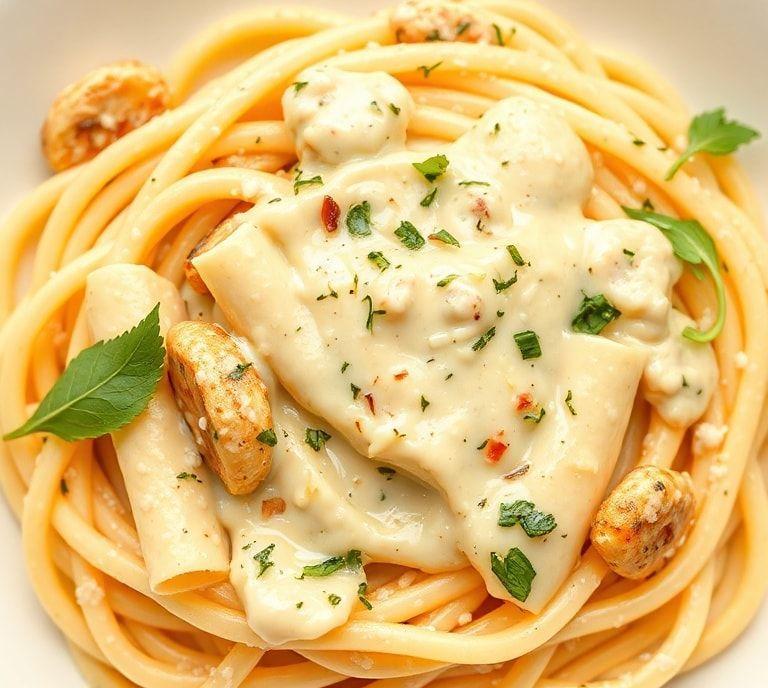
This vegetarian white sauce pasta is creamy and rich, featuring the indulgent smoothness of a béchamel sauce combined with the fresh crunch of vegetables. Whether you’re serving it up for family or treating yourself, it’s a dish that hits all the right notes.
Ingredients Needed
Here’s what you’ll need to make this beautiful pasta:
- Pasta: 200 grams (about 2 cups) of your favorite type-penne, fusilli, or spaghetti all work wonderfully.
- Butter: 2 tablespoons (for richness and flavor).
- Garlic: 2 cloves, minced (fresh garlic adds a sharp kick).
- Flour: 2 tablespoons (to create the base of your sauce).
- Milk: 1 1/2 cups (whole milk works best, but you can use alternatives like oat milk for a dairy-free version).
- Cream: 1/4 cup (optional, but it makes the sauce extra creamy).
- Cheese: 1/2 cup of grated Parmesan or a similar hard cheese (vegetarian-friendly versions exist if you’re avoiding rennet).
- Salt: To taste.
- Pepper: Freshly cracked, for seasoning.
- Herbs: A sprinkle of dried oregano and basil or a few fresh leaves for garnish.
- Vegetables: 1 cup of mixed veggies like spinach, mushrooms, or bell peppers, finely chopped.
Cooking Instructions
The process of making this vegetarian white sauce pasta is simple, but it involves a few key steps that will take your dish from ordinary to extraordinary. Here’s how to do it:
- Boil the Pasta: Start by bringing a pot of salted water to a boil. Once it’s bubbling, add your pasta and cook according to the package instructions until it’s al dente. Drain it and set it aside, reserving about a cup of the pasta water for later (this will help loosen the sauce if it thickens too much).
- Prepare the White Sauce (Béchamel): In a separate large saucepan, melt your butter over medium heat. Add the minced garlic and sauté until fragrant-just about 30 seconds. You want the garlic to release its aroma without burning, so be careful here. Then, stir in the flour and cook it for 1-2 minutes, stirring continuously. This creates the roux, which will thicken your sauce.
- Add the Milk and Cream: Slowly pour in the milk, stirring constantly to prevent lumps. Keep stirring until the mixture thickens and becomes smooth. If you’re using cream, add it in now for an extra rich texture. You’ll notice the sauce become silky and glossy-this is when you know you’re on the right track.
- Season: Sprinkle in salt and pepper to taste. Then, stir in the Parmesan cheese, letting it melt completely into the sauce. This will give it that lovely savory depth. For a nice touch of herbaceous flavor, add in some dried oregano and basil. Keep stirring until the sauce has thickened to your desired consistency.
- Vegetables: If you’re adding vegetables (I personally love spinach and mushrooms), sauté them in a separate pan with a little butter until they’re soft and cooked through. You can also cook them directly in the sauce for a more integrated flavor, but I like to keep them separate to avoid overcooking them.
- Combine Pasta and Sauce: Now, toss the drained pasta into the sauce, stirring it gently so the noodles are coated evenly. If the sauce feels too thick, add a bit of the reserved pasta water until the sauce reaches the right consistency.
- Serve: Plate your pasta and sprinkle some additional Parmesan and fresh herbs on top. A dash of freshly ground black pepper adds a nice finishing touch.
Ingredient Science Spotlight
Let’s talk about the science of this dish, because there’s so much magic happening in that creamy white sauce! When you combine butter and flour, you’re creating a roux, which is essentially a thickening agent. The flour absorbs the fat from the butter and when you slowly add liquid (milk in this case), it expands, forming a smooth, velvety base for the sauce.
The key to a good béchamel sauce is patience. If you rush the process and dump in the milk too quickly, you’ll end up with a lumpy, uneven texture. Slow and steady is the way to go, so the flour has time to absorb the butter and thicken the liquid.
As for the milk and cream, the proteins and fat in these ingredients work together to create the smooth, luxurious texture that coats your pasta. And, of course, the Parmesan cheese adds a salty, umami punch that elevates everything-its casein proteins bind with the fat in the sauce, giving it that creamy mouthfeel.
Expert Tips
- Make It Your Own: Don’t hesitate to swap out ingredients based on what you have. Add cooked chicken for a heartier meal, or go with more vegetables like zucchini, peas, or broccoli for added freshness and crunch.
- Cheese Substitutes: If you’re vegan, you can replace the Parmesan with nutritional yeast or any plant-based cheese alternative to get that savory, cheesy flavor.
- Pasta Water is Magic: Never discard your pasta water without saving a little! That starch-rich water can work wonders for loosening up a sauce that’s too thick or making it stick better to the noodles.
- Perfecting the Sauce: If your sauce gets too thick, a splash of pasta water or more milk can help bring it back to the right consistency. The key is to keep tasting and adjusting as you go-don’t be afraid to add a little extra salt or pepper, depending on your preference.
Recipe Variations
- Mushroom Lover’s Dream: Sauté a mix of wild mushrooms like shiitake or portobello and toss them into the sauce for a rich, earthy depth. The mushrooms add a meaty texture and soak up the flavors of the sauce.
- Spicy Kick: Add some crushed red pepper flakes or a dash of hot sauce to the sauce for an unexpected spicy zing. It pairs perfectly with the creamy richness of the white sauce.
- Vegan Version: Swap the dairy ingredients with plant-based options. Use almond milk or oat milk, and opt for vegan butter and cheese alternatives. You can even use cashews to make a creamy sauce if you want to go fully plant-based.
Final Words
I think what I love most about this pasta dish is how customizable it is. It’s the kind of meal that works with whatever is in your fridge-whether that’s a handful of leftover veggies or a craving for something with a little more indulgence. You can go light and simple with just the pasta and sauce or turn it into a hearty meal with protein-packed additions.
White sauce pasta doesn’t just fill you up-it wraps you in a warm hug. It’s comfort food, but with the possibility to be as fresh, decadent, or light as you want.
FAQs
What Ingredients Are Essential For Making A Creamy Vegetarian White Sauce Pasta?
The essential ingredients for a creamy vegetarian white sauce pasta include pasta (such as penne or fusilli), butter, all-purpose flour, milk, garlic, onions, and a mix of vegetables like bell peppers, carrots, and broccoli. Optional seasonings include salt, black pepper, nutmeg, and grated cheese such as Parmesan for added richness. Fresh herbs like parsley or basil can be added for flavor and garnish.
How Can I Make The White Sauce For Vegetarian Pasta Smooth And Lump-free?
To achieve a smooth, lump-free white sauce, melt butter in a pan and add an equal amount of all-purpose flour to make a roux. Stir continuously for 1-2 minutes to cook out the raw flour taste. Gradually add warm milk in small portions while whisking constantly to prevent lumps. Continue cooking on low heat until the sauce thickens. Straining or blending the sauce can also help achieve an ultra-smooth texture if needed.
Can I Make Vegetarian White Sauce Pasta Healthier Without Compromising Taste?
Yes, you can make it healthier by using whole wheat or multigrain pasta instead of refined pasta. For the sauce, you can substitute whole milk with low-fat milk or unsweetened plant-based milk like soy or oat milk. Adding a larger variety of vegetables increases fiber and nutrients, while using less butter or olive oil can reduce calories. Nutritional yeast can replace cheese to lower saturated fat while maintaining a cheesy flavor.