There’s something deeply comforting about a dish that’s simple yet feels like a warm hug from the inside. I remember when I first tried a vegetarian dish made with ricotta cheese. It was at a cozy little Italian restaurant in the city, tucked away in a quiet corner. I’d been trying to eat more plant-based meals, but I hadn’t yet discovered how rich and satisfying vegetarian dishes could be. That first bite was like a lightbulb moment-it was creamy, flavorful, and hearty, but also light enough to make me feel like I could go back for more. Ricotta cheese, with its delicate yet creamy texture, was the perfect complement to the vegetables, adding richness without feeling heavy.
This recipe for a vegetarian dish with ricotta cheese is a reflection of that experience. It’s a blend of fresh, simple ingredients that come together to create something greater than the sum of its parts. Whether you’re a vegetarian or simply looking to incorporate more plant-based meals into your routine, this dish will hit the spot. It’s comforting without being indulgent, and it’s versatile enough for a weeknight dinner or a special occasion.
Vegetarian With Ricotta Cheese Recipe
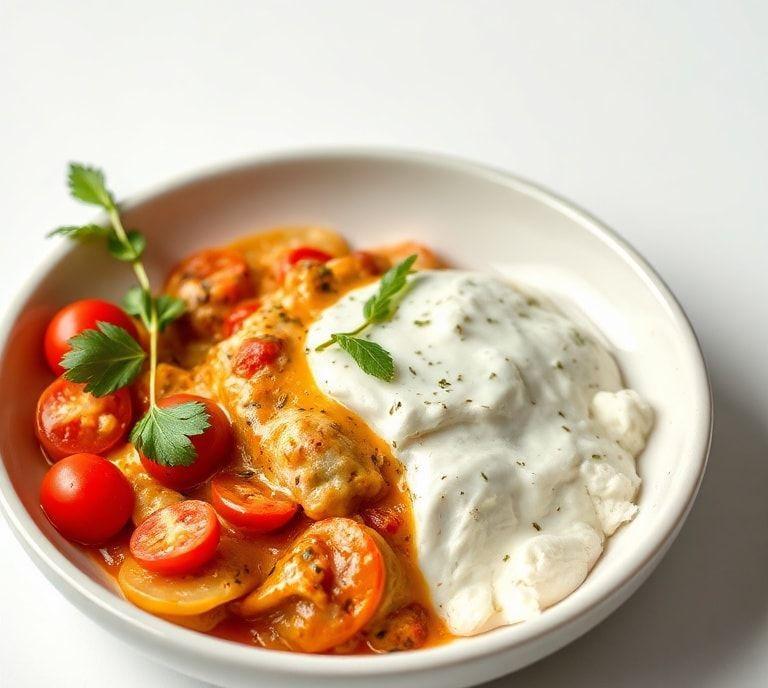
There’s no need to be a master chef to pull off a dish like this. It’s all about using the freshest ingredients and knowing how to balance them. The key is in the ricotta cheese-it’s what gives this dish that lush, creamy texture that makes it so satisfying. The combination of tender vegetables, creamy ricotta, and a few pantry staples creates something that feels homemade and nourishing.
I like to use a variety of seasonal vegetables for this recipe, but there’s no need to be tied down to any specific ones. The magic is really in how the ricotta interacts with the flavors of the vegetables and herbs, binding everything together in a way that makes each bite so comforting.
Ingredients Needed
To make this dish, you’ll need:
- 1 cup ricotta cheese – I prefer whole-milk ricotta for its richer texture, but part-skim works if you’re looking for something a little lighter.
- 2 tablespoons olive oil – For sautéing and adding a little flavor depth.
- 1 small zucchini, sliced – It’s light and soft, and it soaks up the other flavors beautifully.
- 1 small eggplant, diced – Eggplant adds an earthy, meaty texture that pairs perfectly with ricotta.
- 1 bell pepper, diced – Sweet and colorful, it adds both crunch and sweetness.
- 2 cloves garlic, minced – The garlic is the flavor base that brings everything to life.
- 1/2 cup spinach (fresh or frozen) – Fresh spinach wilts down beautifully, giving a burst of color and nutrients.
- 1 teaspoon dried oregano – This herb adds a nice Mediterranean touch.
- 1/2 teaspoon salt – Just enough to bring out all the flavors.
- 1/4 teaspoon black pepper – For a mild heat and depth.
- A handful of fresh basil, chopped – This is optional, but basil adds a fragrant, fresh note that lifts the whole dish.
- A few tablespoons of grated Parmesan – Optional, but it adds a little extra richness on top.
Feel free to mix in or swap out any vegetables based on what you have on hand, or what’s in season. The key is to keep the proportions balanced so you get a variety of textures and flavors.
Cooking Instructions
- Sauté the vegetables: In a large skillet, heat the olive oil over medium heat. Add the garlic and sauté for about 1 minute until fragrant. Toss in the zucchini, eggplant, and bell pepper. Cook, stirring occasionally, for about 5-7 minutes, or until the vegetables start to soften and caramelize a little.
- Add the spinach: Once the veggies are softened, stir in the spinach (if using frozen spinach, add it a minute earlier to give it time to thaw). Continue cooking for 2-3 minutes until the spinach has wilted and the mixture looks a bit juicy.
- Mix in the ricotta: Turn off the heat and fold in the ricotta cheese, oregano, salt, and pepper. The ricotta should melt slightly and coat the vegetables, making a creamy, comforting sauce.
- Finish with basil and Parmesan: Sprinkle in the fresh basil and stir. If you’re using Parmesan, sprinkle it on top for an extra hit of flavor.
- Serve it up: This dish can be served on its own as a hearty side or over a bed of pasta, quinoa, or rice for a full meal.
Ingredient Science Spotlight
Ricotta cheese is often overlooked in favor of its more famous counterparts like mozzarella or cheddar, but it has its own special role in the culinary world. It’s made from the whey of cow’s milk, which gives it a light and fluffy texture that’s unlike any other cheese. Because of its delicate flavor, it can act as both a binder and a flavor enhancer. In this recipe, the ricotta takes center stage, melding with the sautéed vegetables to create a creamy, luscious base that doesn’t overpower the dish.
Ricotta’s moisture content is also key-it’s high enough to coat the vegetables and add creaminess, but not so rich that it makes the dish heavy. It’s a perfect balance. Plus, ricotta is a good source of protein and calcium, making this dish not just delicious but nourishing as well.
Expert Tips
- Don’t overcook the veggies: While you want the vegetables to be tender, it’s important not to let them get too mushy. You want to preserve some of their natural texture so they hold up against the creaminess of the ricotta.
- Use high-quality ricotta: This is one of those recipes where the quality of the ricotta really makes a difference. Try to get fresh ricotta from a local dairy or cheese shop, if possible. It will have a creamier texture and a fresher flavor.
- Don’t skip the seasoning: The ricotta might seem mild at first, but the combination of garlic, oregano, and basil will really elevate the dish. Taste as you go and adjust the seasoning to your preference.
- Add some lemon zest: If you want to brighten things up a little, a small amount of lemon zest adds a fresh, citrusy note that pairs beautifully with the creaminess of the ricotta.
Recipe Variations
- Add protein: If you want to add some plant-based protein, try stirring in some cooked lentils or chickpeas. Both pair well with ricotta and will make this dish even more filling.
- Spicy kick: Add a pinch of red pepper flakes for a bit of heat. This will balance the creaminess of the ricotta and add a little excitement to each bite.
- Swap the vegetables: Feel free to change up the veggies depending on what you have on hand or your preferences. Mushrooms, squash, or even tomatoes work great in this recipe.
- Grain base: Instead of serving the ricotta-vegetable mixture as is, try pairing it with grains like farro, barley, or couscous for an even heartier meal.
Final Words
This dish is the perfect example of how vegetarian cooking can be both satisfying and wholesome. The richness of the ricotta, combined with the freshness of the vegetables, makes it a meal that’s comforting but not too heavy. Whether you’re cooking for yourself or for friends and family, it’s one of those recipes that always feels like a special treat, even though it’s made with simple ingredients. And let’s be honest, there’s something so satisfying about digging into a bowl of creamy goodness, knowing it’s full of veggies and good-for-you ingredients.
FAQs
What Are Some Popular Vegetarian Dishes That Use Ricotta Cheese?
Ricotta cheese is versatile in vegetarian cooking and can be used in a variety of dishes. Popular options include stuffed pasta such as lasagna or ravioli, ricotta and spinach stuffed shells, ricotta pancakes or waffles for breakfast, and baked vegetable casseroles with ricotta layers. It can also be used in savory tarts or as a creamy topping for roasted vegetables.
Can Ricotta Cheese Be Substituted With Another Ingredient In Vegetarian Recipes?
Yes, ricotta can be substituted depending on the desired texture and flavor. For a similar creamy texture, options include cottage cheese, cream cheese, or mascarpone. For a vegan or dairy-free alternative, blended tofu, cashew cream, or almond ricotta can be used. When substituting, consider adjusting seasonings to maintain the intended flavor profile of the recipe.
How Should Ricotta Cheese Be Stored For Use In Vegetarian Recipes?
Ricotta cheese should be stored in the refrigerator at 34-40°F (1-4°C) and used within 5-7 days of opening. Keep it tightly covered in its original container or an airtight container to prevent it from absorbing odors and drying out. For longer storage, ricotta can be frozen, although its texture may become slightly grainy after thawing, making it better suited for cooked dishes than for raw applications.