For many of us, cooking is more than just a way to nourish our bodies. It’s a creative outlet, a form of self-expression, and sometimes, a way to reconnect with our cultural or spiritual roots. Take vegetarian cooking, for example. It’s not just about choosing to skip meat-it’s about crafting meals that are vibrant, flavorful, and rich in nutrients. But what if you’re trying to avoid two of the most common flavor foundations in the kitchen: onion and garlic? It might seem like a challenge at first. After all, these two ingredients form the backbone of countless recipes worldwide.
But here’s the twist: what if you could create a dish that’s just as satisfying, hearty, and delicious without using them? It’s not only possible; it can be downright extraordinary. This recipe for a vegetarian dish without onion and garlic is about discovering new ways to build depth of flavor, to experiment with spices, and to appreciate the delicate balance of ingredients. It’s for anyone who’s ever felt like they need to switch things up or has dietary or lifestyle restrictions that guide their food choices.
Let’s dive into it-this dish is the result of years of tweaking, experimenting, and ultimately finding a combination of ingredients that blend into something I now make regularly. It’s simple but layered, and trust me, you’ll barely miss the onions or garlic.
Vegetarian Without Onion And Garlic Recipe
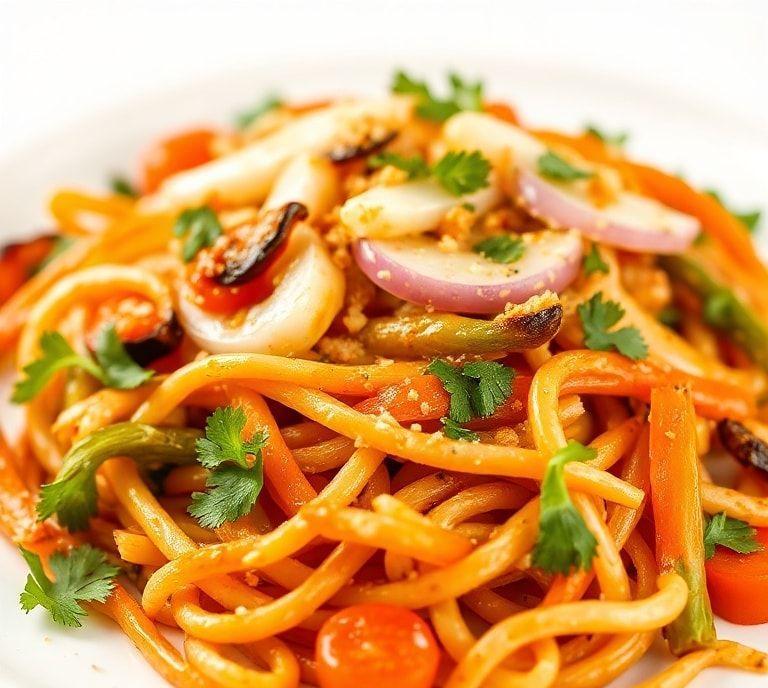
The beauty of this recipe is that it takes advantage of whole, natural ingredients that combine in unexpected ways to create a rich, satisfying meal. A comforting dish that’s perfect for any time of the year, but especially ideal for when you’re craving something hearty and wholesome without the usual flavor-packed, allium-heavy punch.
This dish is a mixed vegetable curry, a beautiful combination of colorful vegetables, spices, and a rich coconut milk base. It’s vibrant, filling, and has just enough kick without the need for onions or garlic. It might sound like a basic vegetable curry at first, but let me assure you-it’s far from basic. You’ll be surprised at how the unique blend of spices, combined with fresh vegetables, makes for a deeply satisfying meal.
Ingredients Needed
Here’s what you’ll need to bring this dish to life:
- Mixed Vegetables (carrots, peas, potatoes, and cauliflower)
- Coconut Milk (full-fat, the creamier the better)
- Tomatoes (fresh or canned, depending on availability)
- Cumin Seeds (for that earthy base flavor)
- Turmeric Powder (for its golden color and health benefits)
- Coriander Powder (for a citrusy, warm flavor)
- Ginger (freshly grated, as a substitute for garlic)
- Green Chilies (for heat, but optional if you prefer mild)
- Curry Leaves (if you can find them, they give an authentic touch)
- Mustard Seeds (adds a subtle mustardy heat and crunch)
- Cinnamon Stick (a touch of sweetness and warmth)
- Salt (to taste)
- Oil (vegetable or coconut oil for sautéing)
Now, there’s room to tweak this-add or omit based on your personal preference. Don’t worry about getting everything down to a T; cooking is about adapting to what you have and how you feel.
Cooking Instructions
- Prepare the Vegetables: Start by peeling and chopping your vegetables into bite-sized pieces. The carrots, potatoes, and cauliflower will cook at similar rates, so keep them about the same size.
- Heat the Oil: In a large pot, heat about 2 tablespoons of oil over medium heat. Add the mustard seeds and cumin seeds. Let them pop for a few seconds-this is where the magic starts.
- Sauté the Aromatics: Add the grated ginger (and green chilies, if using). Stir until fragrant, about 1-2 minutes. You’ll start to smell that wonderful ginger aroma, which will be the heart of this dish.
- Add the Spices: Toss in the turmeric powder, coriander powder, and cinnamon stick. Let these spices toast for a minute or so to bring out their flavors. It’s important not to rush this step-the more time the spices have to release their oils, the better your curry will taste.
- Add Tomatoes and Coconut Milk: Pour in the chopped tomatoes and let them cook down for about 5 minutes until they break down and form a soft paste. Add the coconut milk, stirring well to combine. This will form the creamy base of your curry.
- Add Vegetables: Now, drop in your chopped vegetables. Stir everything to ensure the vegetables are coated with the fragrant curry sauce.
- Simmer: Add enough water to cover the vegetables. Bring the mixture to a boil, then lower the heat and let it simmer for about 20-30 minutes, or until the vegetables are tender.
- Finish and Serve: Taste your curry and adjust the salt. If you want more heat, this is a good time to add more green chilies or chili powder. Garnish with fresh cilantro if you like. Serve over steamed rice or with flatbread (like naan or roti) for a satisfying meal.
Ingredient Science Spotlight
Let’s take a quick dive into some of the star ingredients of this dish and how they work together:
- Coconut Milk: This rich liquid, derived from grated coconut meat, provides the creamy base of your curry. It’s high in fats, but those are healthy, medium-chain triglycerides (MCTs) that offer quick energy. Coconut milk also adds a subtle sweetness that balances out the spices.
- Ginger: Often used as a garlic substitute, ginger gives a zesty warmth to the curry without overpowering the other flavors. Its natural compounds, like gingerol, have anti-inflammatory properties, and it aids digestion. It’s an ingredient that adds both flavor and function.
- Turmeric: The golden color of turmeric isn’t just for show. The active compound curcumin is an antioxidant with a range of potential health benefits, from reducing inflammation to boosting brain function.
- Cumin and Coriander: Both these spices are integral to many curry blends and play well together. Cumin has a warm, earthy taste, while coriander offers a citrusy, floral flavor. Together, they bring depth and balance to the dish.
Expert Tips
- Balance the Spices: Without onion and garlic, the spice blend is everything. Don’t be afraid to adjust the levels to suit your taste-more coriander if you like that citrusy touch, or extra turmeric for color and earthiness.
- Vegetable Variety: You can experiment with other vegetables like bell peppers, zucchini, or even sweet potatoes. Just remember that denser vegetables (like potatoes and carrots) will take longer to cook, while softer ones (like zucchini or peas) cook quickly.
- Make it Ahead: This dish actually gets better the next day, as the flavors have time to meld together. So, if you want an easy lunch the next day, make a double batch.
- Add Protein: If you’re looking to add some protein, try adding chickpeas, tofu, or paneer. They work well in this coconut milk base and make the dish even heartier.
Recipe Variations
- Sweet Potato and Spinach Curry: Replace potatoes with sweet potatoes and add spinach for a nutritional boost. The sweet potatoes will add a different texture and a hint of sweetness that complements the spices perfectly.
- Lentil Version: For a protein-packed option, swap in some red lentils. They cook quickly and absorb the curry sauce wonderfully.
- Spicy Variation: If you like your food on the spicier side, feel free to increase the amount of green chilies or add a pinch of chili powder or cayenne pepper to amp up the heat.
- Nutty Coconut: For added crunch and richness, sprinkle roasted cashews or peanuts on top before serving.
Final Words
This vegetarian dish, free of onion and garlic, proves that you don’t have to rely on the usual suspects to create a flavorful, satisfying meal. With the right combination of spices, fresh vegetables, and a creamy coconut milk base, you can craft a dish that stands on its own. It’s not just about cooking without certain ingredients-it’s about exploring new flavors and textures and seeing how creative you can get.
FAQs
What Are Some Common Substitutes For Onion And Garlic In Vegetarian Recipes?
Common substitutes for onion and garlic in vegetarian recipes include asafoetida (hing), ginger, leeks, shallots, and fennel. These ingredients provide flavor and depth without the use of onion or garlic. In some cases, a combination of herbs like thyme, rosemary, or bay leaves can also help replicate the aromatic qualities that onions and garlic would typically offer.
Are There Specific Cuisines That Naturally Offer Vegetarian Recipes Without Onion And Garlic?
Yes, several cuisines include vegetarian recipes that naturally do not use onion or garlic, often due to religious or dietary restrictions. Indian Ayurvedic cuisine, for instance, often avoids onion and garlic for their perceived heating qualities. Jain cuisine, which is strictly vegetarian and follows a non-violent diet, also excludes onion and garlic. Additionally, some Buddhist-inspired cuisines may offer onion and garlic-free vegetarian options.
How Can I Enhance The Flavor Of Vegetarian Dishes Without Using Onion And Garlic?
To enhance the flavor of vegetarian dishes without onion and garlic, consider using a variety of aromatic herbs and spices such as cumin, coriander, turmeric, mustard seeds, and cardamom. Coconut milk or yogurt can also add richness and creaminess. Adding fresh herbs like cilantro, mint, or basil at the end of cooking can provide freshness, while lemon juice or vinegar can contribute a tangy kick.