If there’s one thing that makes me feel like a home cook with a bit of flair, it’s having a signature homemade sauce in my kitchen arsenal. And for me, that sauce has to be XO sauce-a bold, savory blend of ingredients that transforms the simplest of dishes into something extraordinary. Of course, as a vegetarian, I wanted to create a version of this classic sauce without the anchovies or dried seafood that are traditionally in it.
XO sauce is like a secret weapon for boosting flavor, often used in Chinese cuisine to elevate stir-fries, noodles, or even just steamed vegetables. While it originated from Hong Kong and typically involves a mix of dried seafood, I was curious to see how a vegetarian take could hold up. Spoiler alert: it holds up really well.
I was inspired by how a good XO sauce has layers of richness, umami, and heat, but I also knew that making it vegetarian didn’t mean losing any of that punch. It’s all about finding the right balance of flavors. I’ve been making this sauce for years, and every time I use it, I’m reminded of the magic that happens when you marry a handful of simple ingredients into something unforgettable.
Now, let’s dive into the world of vegetarian XO sauce. I’ll take you through the recipe step by step and give you some insights into the ingredients and techniques that make this sauce so special.
Vegetarian Xo Sauce Recipe
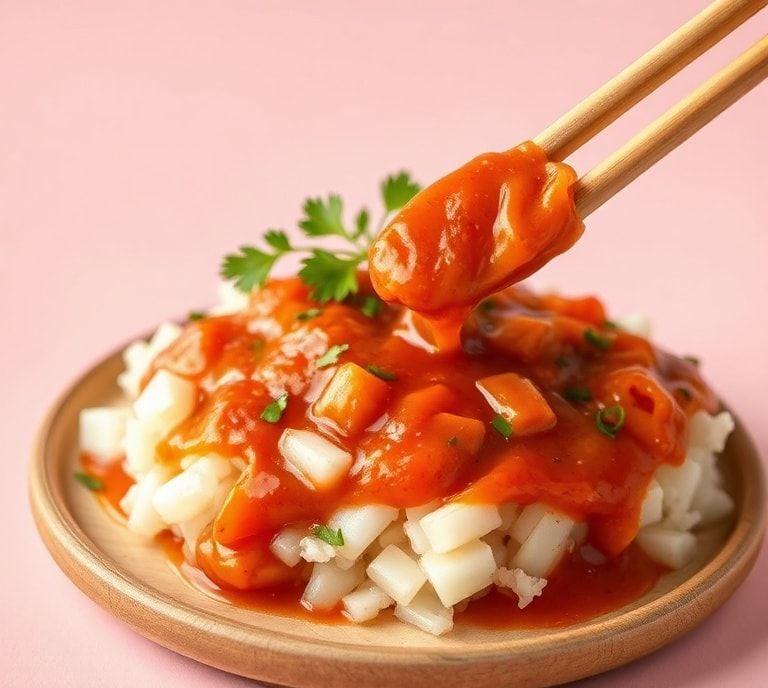
This vegetarian version of XO sauce replaces the dried shrimp and scallops with ingredients that still provide that deeply savory, umami-packed flavor. It’s rich, aromatic, and has just the right amount of heat. Here’s how I make it:
Ingredients Needed
- Dried Shiitake Mushrooms (10-12 pieces): These mushrooms are the cornerstone of the umami profile in a vegetarian XO sauce. When rehydrated, they have an intense, earthy flavor that mimics the richness of seafood.
- Dried Goji Berries (1/4 cup): Goji berries are sweet and slightly tangy, and when they’re cooked down, they add depth and a subtle hint of fruitiness that’s unexpected but wonderful.
- Chili Flakes (2 tablespoons): The heat in XO sauce is crucial, and chili flakes bring that slow burn you need without overpowering the sauce.
- Ginger (1-inch piece, minced): Fresh ginger brightens up the sauce and adds a hint of spice that complements the umami.
- Garlic (4 cloves, minced): Garlic is a must. It provides a warm, savory base that complements the other flavors in the sauce.
- Shallots (2, finely chopped): Shallots are a bit more delicate than onions, and they add a slight sweetness to the sauce.
- Soy Sauce (1/4 cup): A good, dark soy sauce brings richness and that deep, salty, fermented flavor.
- Rice Vinegar (2 tablespoons): The acidity from the vinegar cuts through the richness and adds a layer of balance.
- Sesame Oil (2 tablespoons): Sesame oil gives the sauce a nutty, aromatic base. It’s one of those ingredients that rounds out the whole flavor profile.
- Vegetable Oil (1/4 cup): This will be your main cooking oil, used to fry the ingredients and create a silky consistency.
- Sugar (1 tablespoon): A small bit of sugar is essential to harmonize the savory and spicy notes, rounding out the flavors.
- Miso Paste (1 tablespoon): This replaces the fishiness of traditional XO sauce with a deep, fermented umami flavor.
Cooking Instructions
-
Rehydrate The Mushrooms And Goji Berries
Start by placing the dried shiitake mushrooms and goji berries in a bowl and covering them with warm water. Let them sit for about 30 minutes. Once they’ve softened, chop the mushrooms finely, and set them aside. Don’t throw away the mushroom soaking water-it’s packed with flavor, and you can use it to add a little extra depth to the sauce.
-
Prepare The Aromatics
Mince the garlic, ginger, and shallots. Heat a bit of vegetable oil in a pan over medium heat and add the garlic, ginger, and shallots. Sauté them for 2-3 minutes until they become fragrant. The scent at this point is almost intoxicating.
-
Add The Mushrooms, Goji Berries, And Chili
Toss in the rehydrated mushrooms, goji berries, and chili flakes. Stir everything together, letting the ingredients cook for another 5 minutes. The heat from the chili flakes will start to infuse the oil and the aromatics.
-
Simmer The Sauce
Add the soy sauce, rice vinegar, sesame oil, and miso paste. Stir to combine everything thoroughly. Then, add about 1/4 cup of the mushroom soaking liquid (if it’s too concentrated, use less). Stir in the sugar, and let the sauce simmer on low heat for about 30 minutes. The sauce should reduce slightly and thicken, becoming glossy and aromatic.
-
Final Touches
Once the sauce has thickened to your liking, take it off the heat. Let it cool slightly before transferring it into a jar. The sauce can be stored in the refrigerator for up to a week, though it’s best used within a few days for maximum flavor.
Ingredient Science Spotlight
Let’s pause and look deeper into why some of these ingredients are so effective in a vegetarian XO sauce. The dried shiitake mushrooms, for example, are a key player in replicating the umami you’d find in the traditional seafood-based version. They’re loaded with glutamates, which are the molecules responsible for that savory, "meaty" flavor that makes foods irresistible.
Goji berries, on the other hand, aren’t just there for their sweetness. They’re known for their medicinal properties in Chinese medicine, and they bring an unexpected brightness to the sauce, giving it a balance that keeps everything from feeling too heavy.
The miso paste is also an important ingredient-it provides a fermented, deep umami that mirrors the function of dried seafood in traditional XO sauce. By adding these components, we’re able to mimic the essence of XO sauce without sacrificing the depth or complexity of flavor.
Expert Tips
- Don’t Rush the Cooking Time: One of the secrets to a good XO sauce is letting the ingredients meld together slowly. Give the sauce time to simmer and develop its layers of flavor. The longer it cooks, the richer and more complex it will become.
- Adjust the Heat: If you’re sensitive to spice, you can reduce the chili flakes or swap them for milder peppers. On the flip side, if you want to turn up the heat, try adding a chopped fresh red chili or some chili paste.
- Use High-Quality Soy Sauce: The soy sauce you use will have a big impact on the flavor of your sauce. Go for a good-quality dark soy sauce for that deep color and robust taste.
- Make a Big Batch: This sauce lasts well in the fridge, so making a large batch means you’ll always have some on hand for stir-fries, noodles, or even as a marinade for tofu or vegetables.
Recipe Variations
- Spicy XO Sauce: If you love a fiery kick, add more dried chili peppers, or even a spoonful of chili paste to the mix.
- Smoky XO Sauce: To add a smoky flavor, try including some smoked paprika or chipotle chili powder for a more complex taste.
- Nutty XO Sauce: For a richer, nuttier texture, you can add some finely ground peanuts or cashews to the sauce after it has cooked down. This adds both texture and an extra layer of richness.
Final Words
I can’t tell you how much joy it brings me to use this homemade vegetarian XO sauce. It’s such a versatile condiment that can turn even a plain bowl of rice or some sautéed vegetables into something exciting. Plus, it’s one of those sauces that seems to improve with age, so it’s perfect for meal prepping or making ahead.
If you’ve never tried XO sauce before-whether the traditional version or my vegetarian spin-give it a shot. It’s a great way to experiment with flavor and add a little extra flair to your cooking. Trust me, it’ll become a staple in your kitchen too.
FAQs
What Is Vegetarian XO Sauce And How Does It Differ From Traditional XO Sauce?
Vegetarian XO sauce is a plant-based alternative to the traditional XO sauce, which is typically made with dried seafood like scallops, shrimp, and anchovies. The vegetarian version omits these ingredients and substitutes them with mushrooms, tofu, or other umami-rich plant-based products to achieve a similar depth of flavor. It is designed for those who follow vegetarian or vegan diets but still want to enjoy the savory, rich taste that XO sauce provides.
What Are The Key Ingredients In A Vegetarian XO Sauce Recipe?
The key ingredients in a vegetarian XO sauce typically include dried shiitake mushrooms, fermented tofu, Chinese cooking wine (Shaoxing wine), garlic, shallots, red chilies, and soy sauce. Some recipes also include other umami ingredients like miso paste or dried black mushrooms to enhance the flavor. The combination of these ingredients creates a complex and savory sauce that mimics the richness of the original seafood-based XO sauce.
How Can I Use Vegetarian XO Sauce In My Cooking?
Vegetarian XO sauce is versatile and can be used in a variety of dishes. It pairs well with stir-fried vegetables, noodles, rice dishes, and even tofu or tempeh for added flavor. You can also use it as a condiment for dumplings, steamed buns, or as a topping for stir-fried rice. Its strong, umami-packed taste makes it ideal for adding depth and complexity to vegetarian and vegan recipes.