Spring rolls hold a special place in my heart. There’s something about the delicate crunch, the vibrant flavors, and the way everything just comes together with a dip into a tangy sauce. But what I love most is how adaptable they are-whether it’s a busy weeknight, a potluck with friends, or even a casual meal on a Sunday afternoon, these rolls can easily go from simple to gourmet with just a few changes in the ingredients. And let’s not forget that they’re a perfect introduction to Vietnamese cuisine. Fresh, light, and full of personality, Vietnamese spring rolls are an art form of texture and taste wrapped into one neat little bundle.
Over the years, I’ve tried my fair share of spring rolls, but there’s something about the vegetarian version that always pulls me back. It’s the lightness of it-the fresh veggies, the crunch, the aromatic herbs, and the refreshing rice paper. Unlike many other dishes that can feel heavy, these rolls are satisfying yet gentle on the stomach. So, let’s dive into the process of making them, shall we?
Vietnamese Spring Roll Vegetarian Recipe
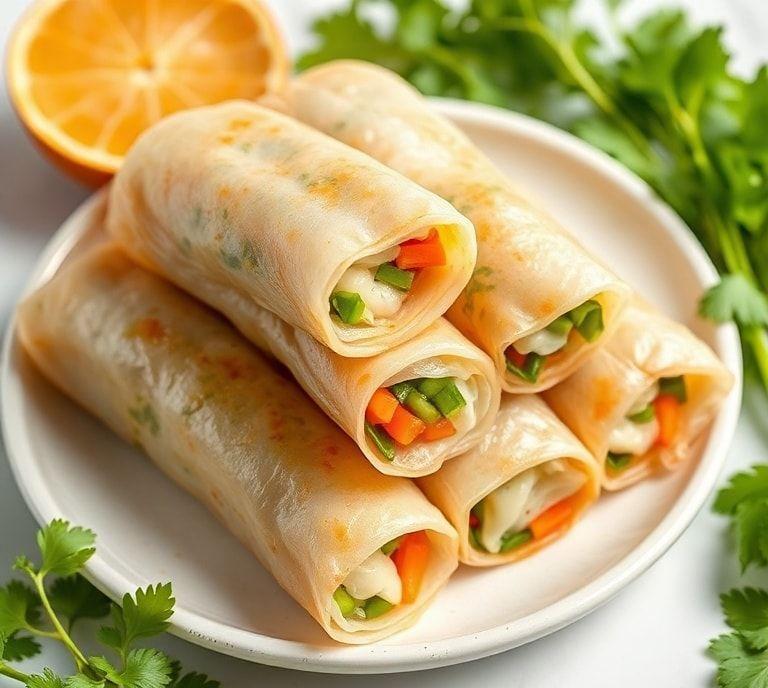
Now, don’t let the name intimidate you. This is a super approachable recipe that can be made with minimal cooking skills. It’s just about assembling fresh ingredients in the right way, rolling them up, and dipping them in an irresistible peanut or hoisin sauce. What’s more, you can easily customize these to suit your tastes. If you prefer a little more heat, toss in some chili. Want a little crunch? Add peanuts or crispy tofu. The beauty of Vietnamese spring rolls is in their versatility.
This vegetarian version uses simple, fresh ingredients to create a refreshing snack or light meal that packs a punch. It’s bright, clean, and will leave you feeling energized rather than sluggish. Let me walk you through it.
Ingredients Needed
Here’s a list of what you’ll need to make these fresh spring rolls:
- Rice Paper Wrappers: These are the foundation of your roll. You can find these at most grocery stores or Asian supermarkets. They’re thin, translucent, and soft when moistened. They’ll hold all of the fresh ingredients inside and give your rolls that classic texture.
- Rice Vermicelli Noodles: These noodles are light, soft, and take just a few minutes to prepare. They’re perfect for adding some structure and body to the rolls without overwhelming the flavors.
- Fresh Vegetables: Think of this as your palette-carrots (julienned), cucumber (also julienned), and bell peppers (thinly sliced). The colors alone make these rolls pop, but the crunchiness adds an amazing texture that contrasts beautifully with the rice noodles.
- Herbs: Fresh cilantro, mint, and Thai basil are what bring these rolls to life. Each herb adds a distinct layer of flavor-cilantro for a citrusy zest, mint for a cool hit, and basil for a peppery fragrance.
- Lettuce: A crisp green like Romaine or Butterhead will do. The leaves act as a fresh, crunchy base and help hold everything together before you wrap it up in the rice paper.
- Tofu (Optional): For a little protein, I recommend either firm tofu, marinated and lightly fried, or just fresh tofu, depending on your preference. You could also add tempeh if you’re looking for a nuttier taste.
- Dipping Sauce: You can go traditional with a hoisin-peanut sauce or create something a little spicier with chili garlic sauce. I’ll share both options, and you’ll see how each sauce complements the fresh rolls differently.
Cooking Instructions
Here’s how to bring everything together:
- Prep the ingredients: Start by soaking your rice noodles in warm water for about 5 minutes. Drain and set aside. While that’s happening, julienne the carrots, cucumber, and bell peppers. Wash the lettuce leaves and herbs. If you’re using tofu, cut it into thin strips and pan-fry until golden on both sides.
- Soak the rice papers: Fill a shallow dish or bowl with warm water. Gently dip one rice paper wrapper into the water for about 5-10 seconds until it softens (don’t overdo it, or it will tear easily). Lay it flat on a clean kitchen towel or cutting board.
- Assemble the rolls: On the lower third of the wrapper, arrange a few leaves of lettuce, followed by a small handful of vermicelli noodles, your choice of vegetables, and herbs. Add tofu if you’re using it. Leave a little space on the sides of the wrapper.
- Roll it up: Fold the sides in first, then gently roll from the bottom up. Try to keep it tight, but not too tight or you’ll risk tearing the rice paper.
- Serve: Once you’ve finished rolling, cut the spring roll in half at a diagonal, and serve with your dipping sauce. Repeat the process for the rest of your ingredients.
Ingredient Science Spotlight
Let’s talk about rice paper for a minute. It’s one of those ingredients that may look unassuming, but it’s actually a work of culinary science. The rice paper itself is made from a mix of rice flour, water, and sometimes tapioca starch. The starches are what give it that incredible flexibility. When you dip it in warm water, the rice paper softens and becomes malleable. It’s a delicate balance of moisture and timing: too little and it’ll be brittle, too much and it’ll tear. The key is to not rush the process and to let the paper soak just long enough to become pliable but still have some structure.
The noodles are another star of the show here. Rice vermicelli is made from rice flour and water, and that’s it. No complicated ingredients, but it’s so light and delicate that it pairs perfectly with all the fresh flavors going on in the roll. It’s a gentle backdrop that lets the veggies and herbs take center stage.
Expert Tips
- Make sure the rice paper is fresh: Stale rice paper won’t hold up as well when it comes to rolling, and you’ll end up with tears or an uneven texture. Store your rice paper in a dry place to prevent it from getting too brittle.
- Don’t overfill: It’s tempting to load up your roll with tons of goodies, but keep the fillings light. Too much stuffing can make the rolling process tricky and lead to tears in the rice paper.
- Moisten your hands: Handling wet rice paper can be a bit sticky, so try wetting your hands with a bit of water while rolling to make the process smoother.
- Chill them before serving: If you have time, chill the rolls in the fridge for about 20-30 minutes before serving. This helps the rice paper firm up a bit and makes them easier to cut and handle.
Recipe Variations
While this recipe is a classic vegetarian version, there’s a lot of room for customization:
- Add fruit: Slices of mango or pineapple would bring a delightful sweetness to the rolls.
- Vegan protein alternatives: Try using tempeh or chickpeas for a nutty, protein-packed filling.
- More heat: If you love spice, add a few slices of jalapeños or a drizzle of sriracha in the filling. You can also spice up the dipping sauce with chili garlic paste.
- Different veggies: Replace the cucumber with zucchini or the carrots with beets for a different flavor profile.
Final Words
There’s something special about Vietnamese spring rolls. They’re a combination of lightness and complexity, a little bundle of joy that makes a meal feel like an event. Whether you’re serving them as an appetizer, a snack, or even as part of a larger meal, they always seem to make a lasting impression. I love how these rolls come together with just a few simple ingredients, and how you can adapt them to suit whatever you have on hand or whatever your taste buds are craving at the moment.
FAQs
What Are The Essential Ingredients For A Vegetarian Vietnamese Spring Roll?
The essential ingredients for a vegetarian Vietnamese spring roll include rice paper wrappers, fresh vegetables (such as lettuce, cucumber, carrots, and bell peppers), fresh herbs (like mint, cilantro, and basil), vermicelli noodles, and tofu or other plant-based protein sources. These ingredients create a light, refreshing, and flavorful filling. You can also add mushrooms, avocado, or other preferred vegetables.
Can I Prepare The Vietnamese Spring Rolls In Advance?
Yes, you can prepare the vegetarian Vietnamese spring rolls in advance. However, it’s recommended to wrap them tightly and cover them with a damp cloth to keep the rice paper from drying out. Store them in an airtight container in the fridge for up to a few hours before serving. If preparing them longer in advance, it’s best to assemble them just a few hours ahead of time to maintain freshness.
What Is The Best Dipping Sauce For Vegetarian Vietnamese Spring Rolls?
The most popular dipping sauce for vegetarian Vietnamese spring rolls is hoisin-peanut sauce. This sauce is made from hoisin sauce, peanut butter, soy sauce, lime juice, and sometimes garlic and chili for a bit of spice. You can also make a light soy-based dipping sauce with a touch of sugar, lime, and chili for a tangier flavor. Some people prefer a simple sweet chili sauce as well.