There’s something about curry that feels both comforting and exotic at the same time. The fragrant spices, the smooth, rich sauce, and the depth of flavor that builds with every bite-curry is truly a gift from the culinary gods. Now, if you’re like me and love the combination of warmth, spice, and a touch of sweetness, you’ll find this yellow curry vegetarian recipe to be an absolute game-changer. It’s the kind of dish that makes you want to gather around the table with friends and linger for hours, letting the conversation flow as the comforting aroma of curry fills the room.
But here’s the thing about this yellow curry-it’s not just a recipe, it’s a tradition, a meditation of sorts. I remember the first time I tried making it myself. It was one of those rainy afternoons, and the idea of a hearty, vibrant curry seemed like the perfect remedy to both the weather and my mood. I played around with the spices, added some seasonal vegetables I had lying around, and that first batch was nothing short of magical. Over time, I tweaked it, made it my own, and found ways to make it even more satisfying.
So, whether you’re an experienced cook or a beginner, this recipe is perfect for anyone who wants to dive into the art of curry making with a plant-based twist. Let’s get to it.
Yellow Curry Vegetarian Recipe
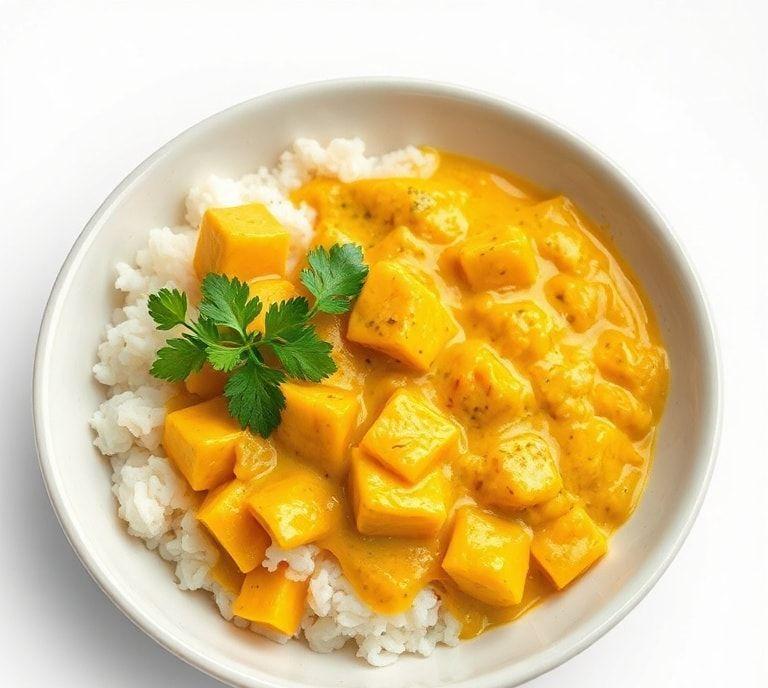
This vegetarian yellow curry is rich and creamy, infused with spices that create layers of flavor. What makes it truly special, though, is how customizable it is. You can make it as mild or spicy as you like, and you can switch up the veggies to suit your preferences or what you have in the fridge. This is a great dish to make ahead too-it actually tastes better the next day when the flavors have had time to meld together. So, if you’re looking for something comforting, flavorful, and satisfying, this is the one.
Ingredients Needed
Here’s what you’ll need to pull together for this hearty curry:
- 2 tablespoons coconut oil (or olive oil, if you prefer)
- 1 onion, diced
- 3 cloves garlic, minced
- 1 tablespoon fresh ginger, grated
- 1 tablespoon yellow curry powder
- 1 teaspoon turmeric
- 1 teaspoon ground cumin
- 1 teaspoon ground coriander
- 1/2 teaspoon ground cinnamon
- 1/4 teaspoon cayenne pepper (optional, for a spicy kick)
- 2 medium potatoes, peeled and diced
- 1 large carrot, peeled and sliced into rounds
- 1 bell pepper, chopped (red, yellow, or orange work best for color)
- 1 zucchini, chopped
- 1 can (14 oz) coconut milk
- 1 cup vegetable broth
- 1 tablespoon soy sauce or tamari (for a gluten-free version)
- 1 tablespoon maple syrup or agave syrup (to balance out the spices)
- 1 cup spinach (or kale, if you prefer)
- Fresh cilantro (optional, for garnish)
- Juice of 1 lime (for a burst of freshness)
Cooking Instructions
- Prepare the ingredients: Start by chopping the onion, garlic, ginger, and vegetables. The more prep work you do beforehand, the easier the cooking process becomes. You’ll want everything in place because this recipe moves quickly once you start.
- Cook the aromatics: Heat the coconut oil in a large pot over medium heat. Add the diced onion and sauté until it becomes translucent, about 5 minutes. Add the garlic and ginger, cooking for another 2 minutes, until fragrant. The smell here is incredible, isn’t it?
- Toast the spices: Stir in the curry powder, turmeric, cumin, coriander, cinnamon, and cayenne pepper (if using). Let them cook for about a minute to release all the flavors. This is when your kitchen will start smelling like a spice market-it’s the best part.
- Add the vegetables: Toss in the potatoes, carrots, bell pepper, and zucchini. Stir to coat the veggies in the spices and let them cook for about 5 minutes. This step helps them absorb all those wonderful flavors before adding the liquids.
- Simmer the curry: Pour in the coconut milk and vegetable broth, followed by the soy sauce and maple syrup. Stir everything together and bring it to a simmer. Lower the heat and let the curry cook for about 25-30 minutes, or until the vegetables are tender and the sauce has thickened.
- Finish it off: Just before serving, stir in the spinach (or kale) and let it wilt into the curry. Squeeze in the lime juice and give everything one last stir. Taste for seasoning-you might want a little more soy sauce or maple syrup depending on how bold you want the flavors.
- Serve: Ladle the curry into bowls, top with fresh cilantro, and serve over steamed rice or quinoa. You could even throw in some crispy tofu or tempeh for an added protein boost.
Ingredient Science Spotlight
There’s a certain magic in the combination of spices used in this yellow curry, and it’s not just about flavor-it’s about the science behind them. Take turmeric, for example. It’s what gives this curry its signature golden color, and beyond that, it’s packed with an active compound called curcumin. Curcumin has powerful anti-inflammatory properties, which is why turmeric is often called a “super spice”. It doesn’t just make your food taste good; it’s good for you, too.
Then there’s coconut milk-the base of many creamy curries. It’s high in fat, but the fats are medium-chain triglycerides (MCTs), which the body can quickly convert into energy. These fats also contribute to that rich, velvety texture that makes this curry so luxurious. Plus, coconut milk is a great source of lauric acid, which has been shown to have antimicrobial properties.
The addition of ginger and garlic not only adds brightness but also has anti-inflammatory and digestive benefits. Both have been used in traditional medicine for centuries to soothe the stomach, boost immunity, and even fight off colds.
Expert Tips
- Spice Adjustments: If you prefer a spicier curry, feel free to add more cayenne pepper or even some chopped fresh chilies. Conversely, if you’re looking for a milder version, skip the cayenne entirely or reduce the amount of curry powder.
- Perfect Coconut Milk: For an extra creamy curry, use full-fat coconut milk. If you’re watching calories, light coconut milk works too, but it won’t have quite the same richness.
- Pre-Cook the Potatoes: If you’re in a hurry, you can microwave the diced potatoes for a few minutes before adding them to the curry. This will help them cook faster and prevent them from taking too long to soften.
- Balance Sweet and Savory: If your curry tastes a little too tangy or spicy, a touch more maple syrup or even a small amount of brown sugar can help round it out.
- Freezer Friendly: This curry stores well and actually gets better the next day, so don’t hesitate to make a double batch. It’s perfect for freezing too-just leave out the spinach and fresh cilantro and stir them in when reheating.
Recipe Variations
One of the great things about curry is how adaptable it is. Here are a few variations you can try:
- Add protein: You can toss in some tofu or tempeh for extra protein. For a meaty version, chickpeas are a great addition or even paneer for a vegetarian twist.
- Change up the vegetables: Try adding cauliflower, sweet potatoes, or peas instead of or alongside the carrots and potatoes. You can even add some leafy greens like kale or Swiss chard if spinach isn’t your thing.
- Use a different base: If you’re not a fan of coconut milk, you can make a base with cashew cream, almond milk, or even just a vegetable broth base for a lighter, less rich curry.
- Make it a soup: If you want a soupier version, increase the amount of vegetable broth, and serve it in a bowl with a thick slice of sourdough on the side.
Final Words
Yellow curry has a way of feeling like a warm hug on a chilly evening or a reminder that life can be both simple and satisfying. It’s the perfect blend of sweet, savory, and spicy, and when made vegetarian, it feels wholesome and nourishing. Plus, it’s a dish that everyone can enjoy, whether they’re seasoned curry lovers or new to the world of spices. The beauty of this recipe lies in its flexibility-you can tweak it to fit your preferences, but it always delivers that signature, comforting flavor.
FAQs
What Are The Key Ingredients In A Yellow Curry Vegetarian Recipe?
A yellow curry vegetarian recipe typically includes a variety of vegetables such as potatoes, carrots, bell peppers, and onions, along with tofu or tempeh for protein. The dish is flavored with curry paste (often yellow curry paste), coconut milk, garlic, ginger, turmeric, and other spices like cumin and coriander. Fresh herbs like cilantro are often used for garnish.
Can I Make Yellow Curry Vegetarian Recipe Spicier?
Yes, you can adjust the spiciness of your yellow curry vegetarian recipe by adding more chili peppers or using a spicier curry paste. If you prefer a milder version, you can reduce the amount of curry paste or opt for a mild variety of yellow curry paste. Always taste the curry as it cooks to ensure the heat level meets your preference.
Is Yellow Curry Vegetarian Recipe Suitable For Vegans?
Yes, yellow curry can easily be made vegan by ensuring that no animal-derived products are included. Use vegetable broth, coconut milk, and plant-based protein options like tofu or tempeh instead of any dairy or meat. Many pre-made yellow curry pastes are vegan, but it’s important to check the ingredients if you’re buying store-bought curry paste to ensure it does not contain fish sauce or shrimp paste.