There’s something about a warm bowl of miso soup that feels like a hug for the soul. If you’ve ever had it at a cozy Japanese restaurant or perhaps at a friend’s house, you’ll know exactly what I mean. The rich, savory broth, the umami-packed miso paste, and the comforting texture of tofu or seaweed-it’s just pure comfort food. But let’s talk about miso soup from a slightly different angle: as a vegetarian dish.
Now, you don’t need to be vegetarian to enjoy a meatless version of this iconic soup. Over the years, I’ve experimented with different variations, and I’ve come to realize that vegetarian miso soup isn’t just a substitute-it’s a full-on flavor experience that brings out the natural goodness of vegetables, tofu, and that magical miso paste. There’s something incredibly satisfying about its simplicity.
If you’re someone who’s looking for a healthier, plant-based alternative or just want to try your hand at making miso soup from scratch, you’ve come to the right place. It’s not as complicated as you might think, and you’ll end up with a delicious, nourishing bowl in no time.
Miso Soup Vegetarian Recipe
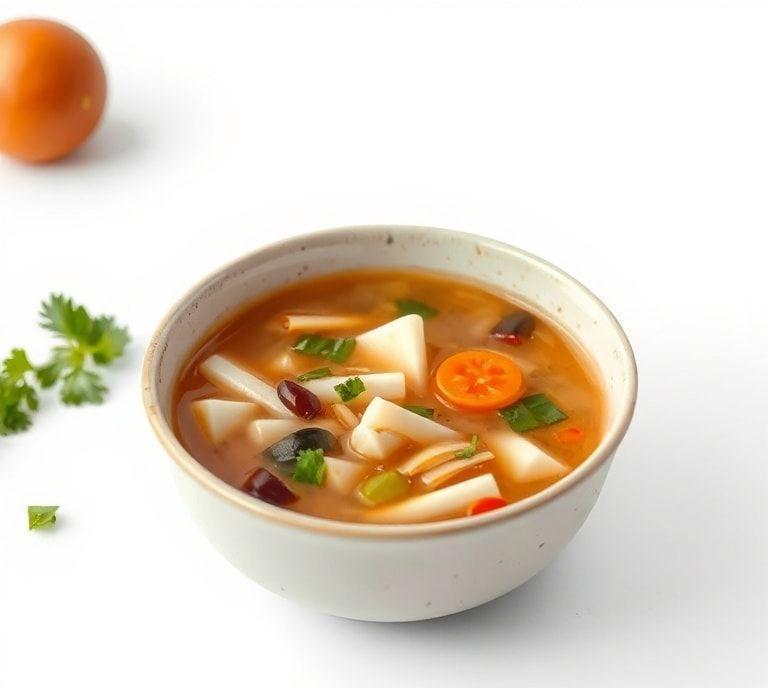
This recipe has become a staple in my kitchen. It’s versatile, comforting, and you can make it your own depending on what you have in your pantry. Let’s dive into the details of how to make this vegetarian miso soup that’s as delicious as it is simple.
Ingredients Needed
Here’s what you’ll need for the base of your vegetarian miso soup. Don’t worry if you don’t have all the ingredients; part of the beauty of miso soup is its flexibility.
- Miso paste: The star of the show. You can use white, red, or yellow miso paste. I tend to lean towards white miso for a slightly milder taste.
- Tofu: Firm tofu is what I recommend. It holds up well in the soup without falling apart. Silken tofu, on the other hand, will break down more quickly and give a smoother texture to the broth.
- Dashi: This is typically made with fish, but for a vegetarian version, you’ll need a plant-based dashi. You can find it at most Asian grocery stores or make your own by simmering kombu (sea kelp) and dried shiitake mushrooms.
- Seaweed: Wakame seaweed is commonly used in miso soup, and it adds a lovely texture and flavor. You can usually find dried wakame at any Asian market.
- Green onions: Chopped finely for garnish and added crunch.
- Optional add-ins: Mushrooms, such as shiitake or enoki, add depth to the soup. You can also throw in some baby spinach or even shredded carrots for a bit of color and texture.
Cooking Instructions
Okay, let’s get to the fun part-the cooking. Follow these steps, and in no time, you’ll have a steaming bowl of vegetarian miso soup.
- Make the dashi broth: In a medium pot, combine 4 cups of water with a small handful of dried kombu and dried shiitake mushrooms. Let it sit for about 10 minutes to rehydrate the mushrooms. Then, bring it to a gentle simmer over medium heat. Remove the kombu just before it starts boiling, and let the mushrooms steep for another 5-10 minutes. Strain the broth to remove the mushrooms (though I usually chop up the mushrooms and add them back in for extra flavor).
- Add miso paste: Scoop out about 2 tablespoons of miso paste and dissolve it in a bit of the hot dashi broth to create a smooth slurry. Once dissolved, stir this paste back into the pot of dashi. Keep the heat on low to avoid boiling the miso, as high heat can alter its flavor and texture.
- Add tofu and seaweed: Gently add your cubed tofu into the broth. If you’re using dried wakame, now’s the time to toss that in as well. Let everything simmer for about 3-5 minutes, just long enough for the tofu to warm through and the seaweed to expand.
- Season and garnish: Taste your soup and add a pinch of salt if needed. You can also add a dash of soy sauce or even a small splash of sesame oil for an extra layer of flavor. Finally, garnish with fresh green onions and any optional toppings you enjoy.
Ingredient Science Spotlight
The magic of miso soup lies in its ingredients. Each component has a specific role, not only in flavor but in health benefits as well. Let’s break down some of the science behind it:
- Miso paste: The miso is fermented, which means it’s packed with probiotics. These gut-friendly bacteria are essential for digestion and overall health. Miso is also rich in antioxidants, which can help reduce inflammation.
- Tofu: This soy-based protein is incredibly versatile. It’s not just a filler-it’s rich in plant-based protein and iron, and it provides a soft, silky texture that complements the soup. Tofu is also a great source of calcium, which is crucial for bone health.
- Dashi (kombu and shiitake mushrooms): Kombu is a seaweed that’s packed with umami. It’s rich in iodine and minerals like calcium and magnesium. Shiitake mushrooms, on the other hand, are known for their immune-boosting properties, thanks to compounds like lentinans. They also add a depth of flavor that mimics the richness of meat-based broths.
- Wakame seaweed: Often found in miso soup, wakame is a type of edible seaweed that’s high in fiber, vitamins, and minerals. It’s particularly rich in iodine, which is important for thyroid function.
Expert Tips
- Miso paste storage: Miso paste can last a long time in the fridge. Make sure to store it in an airtight container. It might change color over time, but it will still be good to use.
- Adjust the saltiness: If your miso soup is too salty, add a bit more water or low-sodium soy sauce to balance it out. Conversely, if it’s too bland, add more miso paste a little at a time.
- Texture matters: If you prefer a smoother soup, use silken tofu and blend everything together after it’s cooked. You’ll end up with a rich, creamy broth that’s still packed with flavor.
- Go easy on the heat: Miso soup is delicate, so keep the heat low once you add the miso paste. Boiling can break down the flavor and turn it bitter.
Recipe Variations
One of the best things about miso soup is how flexible it is. Here are a few variations you can try:
- Mushroom miso soup: Add more types of mushrooms, such as oyster or maitake, for an earthy, meaty texture. The more variety in mushrooms, the more complexity in flavor.
- Spicy miso soup: If you like a bit of heat, stir in some chili paste or a few slices of fresh chili pepper.
- Udon miso soup: For a heartier meal, add cooked udon noodles to your miso soup. They’ll soak up the flavor and turn the dish into something more substantial.
- Miso soup with vegetables: Add in some thinly sliced carrots, bok choy, or baby spinach for added nutrients and color.
Final Words
Miso soup is deceptively simple but incredibly satisfying. Once you’ve made it from scratch, you’ll understand why it’s such a staple in Japanese cuisine. It’s nourishing, comforting, and the perfect balance of savory, umami goodness. Whether you’re vegetarian or not, this version of miso soup will warm you up from the inside out.
FAQs
What Ingredients Are Needed For A Vegetarian Miso Soup?
A vegetarian miso soup typically requires the following ingredients: miso paste (preferably white or yellow for a milder taste), tofu (firm or silken depending on preference), kombu (dried seaweed), shiitake mushrooms (or other preferred mushrooms), dashi (vegetarian-friendly, made from kombu and shiitake mushrooms), scallions, and soy sauce. Optional additions include wakame (another seaweed), carrots, or spinach.
Can I Make Miso Soup Without Dashi For A Vegetarian Recipe?
Yes, you can make vegetarian miso soup without traditional dashi (which is made from bonito flakes). For a vegetarian version, use a plant-based dashi made from kombu (dried kelp) and dried shiitake mushrooms. These ingredients provide the umami flavor traditionally found in dashi while keeping the soup entirely vegetarian.
How Do I Adjust The Flavor Of Vegetarian Miso Soup?
To adjust the flavor of vegetarian miso soup, you can vary the type of miso paste used. White miso provides a milder, sweeter flavor, while red miso is more robust and salty. Additionally, you can add more soy sauce or a splash of rice vinegar to enhance the umami or acidity. Experimenting with the ratio of miso paste to broth will also allow you to control the soup’s richness. Adding a dash of sesame oil or a sprinkle of chili flakes can also introduce extra depth or spice to the soup.