Imagine the first time you experience the magic of sous vide cooking. I remember the first time I tried it-my kitchen filled with the sounds of sizzling and bubbling, but the real magic was the result: perfectly cooked vegetables, tender beyond anything I had ever imagined. The sous vide method, where food is sealed in a bag and cooked slowly in water at a precise temperature, might seem like a fancy restaurant technique. But the beauty of it is that it’s surprisingly accessible at home, and when applied to vegetarian recipes, it turns simple ingredients into something extraordinary.
What’s especially exciting about using sous vide for vegetarian dishes is how it amplifies the natural flavors and textures of vegetables. No more overcooked, mushy carrots or dry, flavorless potatoes. Instead, sous vide allows vegetables to cook evenly, maintaining their structure while absorbing all the delicious seasonings and marinades you add.
If you’re looking to elevate your vegetarian dishes or just want to try something new, let’s dive into a simple yet delightful vegetarian sous vide recipe that will leave you with restaurant-quality results at home.
Vegetarian Sous Vide Recipe
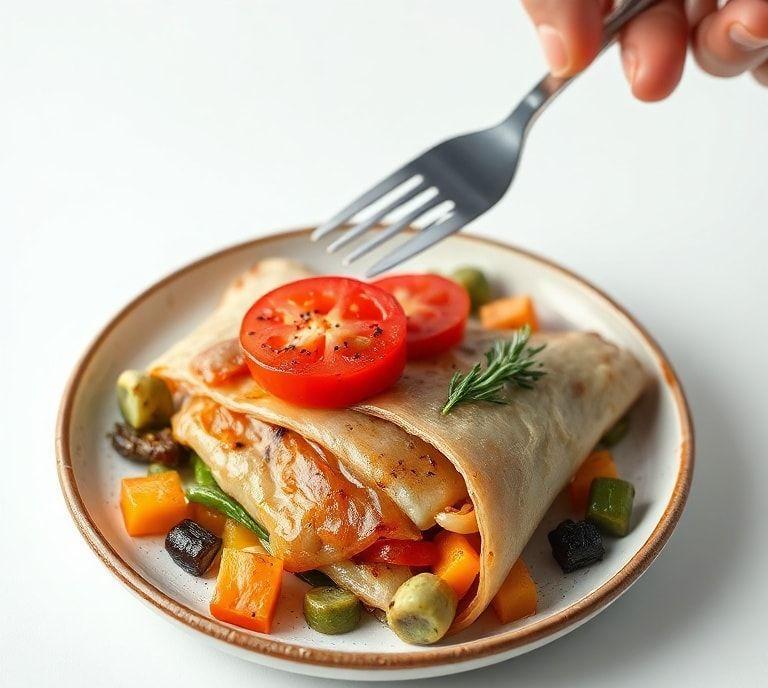
Let’s start with a recipe that’s both easy and elegant: Sous Vide Root Vegetables with Herb Butter. Root vegetables, like carrots, parsnips, and sweet potatoes, are perfect for sous vide because they’re dense and take well to long, slow cooking, allowing the flavors to develop beautifully. The herb butter adds richness without overshadowing the natural sweetness of the vegetables.
I like to think of this recipe as a perfect example of how sous vide can bring out the best in humble ingredients, making something as simple as root vegetables into an unforgettable dish.
Ingredients Needed
Here’s what you’ll need for this dish:
- Carrots – 2 large, peeled and cut into half-inch thick slices
- Parsnips – 2 medium, peeled and sliced similarly to the carrots
- Sweet Potatoes – 1 large, peeled and cut into half-inch rounds
- Unsalted Butter – 4 tablespoons, cut into cubes
- Fresh Thyme – 3-4 sprigs, or 1 teaspoon of dried thyme
- Fresh Rosemary – 2 sprigs, or 1 teaspoon of dried rosemary
- Garlic – 2 cloves, smashed
- Salt & Pepper – To taste
- Olive Oil – Optional, for finishing
- Lemon Zest – Optional, for a fresh, zesty kick
This list is minimal, but the flavor combination is what’s going to make it shine. The butter and herbs work in perfect harmony to complement the earthy sweetness of the vegetables, while the sous vide technique ensures everything cooks evenly, retaining its natural essence.
Cooking Instructions
- Prep Your Vegetables: Start by peeling and slicing your carrots, parsnips, and sweet potatoes. You want them all to be roughly the same size so they cook evenly.
- Season: Lay the sliced vegetables out in a large bowl, drizzle with olive oil (if using), then sprinkle with salt and pepper. Toss everything together to ensure a nice even coating.
- Bagging It: Divide your vegetables into separate vacuum-seal bags. You want to make sure they’re in a single layer for the best cooking results. If you don’t have a vacuum sealer, don’t worry-just use a heavy-duty Ziploc bag and the water displacement method. Add 1 tablespoon of butter and a sprig of rosemary, thyme, and a couple of garlic cloves into each bag.
- Sous Vide Setup: Preheat your sous vide water bath to 185°F (85°C). Once it’s ready, submerge the bags and cook for about 1 hour. The vegetables will soften and become tender, but they won’t lose their structure or become mushy.
- Finishing Touch: Once the vegetables are done, carefully remove them from the bags. Transfer to a hot skillet with a little olive oil (if desired), and sear the vegetables for 1-2 minutes to give them a golden, crispy finish.
- Serve: Sprinkle the veggies with some freshly grated lemon zest or a little extra thyme, and you’re ready to enjoy your sous vide masterpiece.
Ingredient Science Spotlight
Let’s talk about the science of sous vide for a moment, because it’s really what makes this method so unique. When you cook vegetables using traditional methods, such as boiling or roasting, the high heat causes them to lose water, leading to a decrease in flavor and nutrients. But with sous vide, the food is cooked in its own juices. The sealed bag creates a vacuum that traps the flavors, moisture, and nutrients inside. This allows the vegetables to cook at a much lower, more controlled temperature, breaking down the fibers gently and evenly, while keeping the delicate flavors intact.
For example, sweet potatoes, when cooked sous vide, become incredibly creamy without the risk of drying out, which often happens when they’re roasted at high heat. Carrots retain their sweetness while becoming tender, yet still holding a slight bite that makes them so satisfying.
Expert Tips
- Consistency is Key: One of the biggest advantages of sous vide cooking is the precision. Make sure you have a good thermometer and that your water bath is consistent throughout. If your temperature fluctuates too much, your veggies may not cook as evenly.
- Sealing the Bag: If you’re using a vacuum sealer, make sure the bags are sealed tightly. Any air left in the bag can cause the vegetables to cook unevenly. If you’re using the water displacement method, try to push out as much air as possible before sealing the bag.
- Seasoning: Since sous vide cooking doesn’t allow the ingredients to dry out, you’ll find that you can use less salt and still get a powerful flavor punch. Taste your vegetables after cooking before adding any more salt.
- Extra Flavor: If you want to take things up a notch, consider adding a few tablespoons of balsamic vinegar or a touch of maple syrup into the bag before sealing it. This will infuse the veggies with extra depth.
- Texture Matters: Because sous vide cooking is so gentle, it’s important to remember that texture is one of the highlights of the process. If you want your vegetables to have a bit more bite, you can shorten the cooking time by 10-15 minutes, but I would recommend sticking to the suggested time for the best outcome.
Recipe Variations
This basic recipe is versatile enough to be changed up in a variety of ways:
- Add Different Vegetables: Feel free to swap in other root vegetables, like beets or rutabaga, or even throw in some mushrooms for an earthy twist.
- Spices and Herbs: Experiment with different herbs and spices. Try sage, oregano, or even a sprinkle of smoked paprika for a more robust flavor profile.
- Sweet or Savory: You can make it more savory with the addition of a splash of soy sauce or miso, or you can keep it sweet with a drizzle of honey after cooking.
- Cheese: Add crumbled feta or parmesan after searing for a rich finish.
Final Words
Sous vide cooking can be a game-changer for vegetarian meals. It’s all about honoring the natural flavors of the ingredients and enhancing them without masking them. The result? A simple dish that is nothing short of impressive.
Root vegetables, when prepared this way, are transformed into tender, flavorful delights. And what’s even better is that you can let the sous vide do all the heavy lifting while you sit back, relax, and focus on the other parts of your meal. Once you get the hang of sous vide cooking, you’ll be looking for new ways to experiment, and this recipe is a fantastic starting point.
FAQs
What Are The Best Vegetables To Cook Using The Sous Vide Method?
Some of the best vegetables for sous vide cooking include root vegetables like carrots, potatoes, and beets, as well as delicate vegetables such as asparagus, zucchini, and broccoli. These vegetables retain their natural flavors and textures when cooked sous vide, allowing for precise control over doneness and ensuring a perfectly tender result.
How Long Should I Cook Vegetables Sous Vide?
The cooking time for vegetables depends on the type and size of the produce. For root vegetables like potatoes and carrots, cooking time ranges from 1 to 2 hours at 185°F (85°C). Delicate vegetables like asparagus or zucchini typically require 30 to 45 minutes at 183°F (84°C). It’s important to consider the size of the vegetable pieces, as larger pieces may require a longer cooking time to ensure even cooking.
Can I Season Vegetables Before Sous Vide Cooking, Or Should I Wait Until After?
You can season vegetables before sous vide cooking for enhanced flavor. Since sous vide cooking involves sealing the vegetables in a bag, the seasonings will infuse into the vegetables more deeply. Common seasonings include olive oil, garlic, fresh herbs, and salt. However, some chefs prefer to add final seasoning, such as fresh herbs or finishing salts, after cooking to maintain the freshness of the flavors.