Baking has always been a labor of love for me. There’s something magical about the process-the way a handful of simple ingredients can come together to create something so comforting and delicious. I still remember the first time I tried to bake a vegetarian recipe. It was a bit of an accident, honestly. I was trying to make a cake for a friend’s birthday, but due to dietary restrictions, I had to improvise. I swapped out eggs for flaxseed, butter for coconut oil, and even experimented with whole-grain flour. To my surprise, the cake turned out better than I had imagined-light, fluffy, and rich with flavors that danced on the tongue.
That experience inspired me to dive deeper into vegetarian baking. It’s not just about swapping out ingredients but understanding how each one plays a role in the final product. Whether you’re a long-time vegetarian or simply looking to experiment with more plant-based baking, there’s a whole world of flavor and texture to explore. In this recipe, I’ll guide you through a simple yet delightful vegetarian treat-perfect for anyone who loves baking but wants to leave the eggs and dairy behind.
Vegetarian Baking Recipe
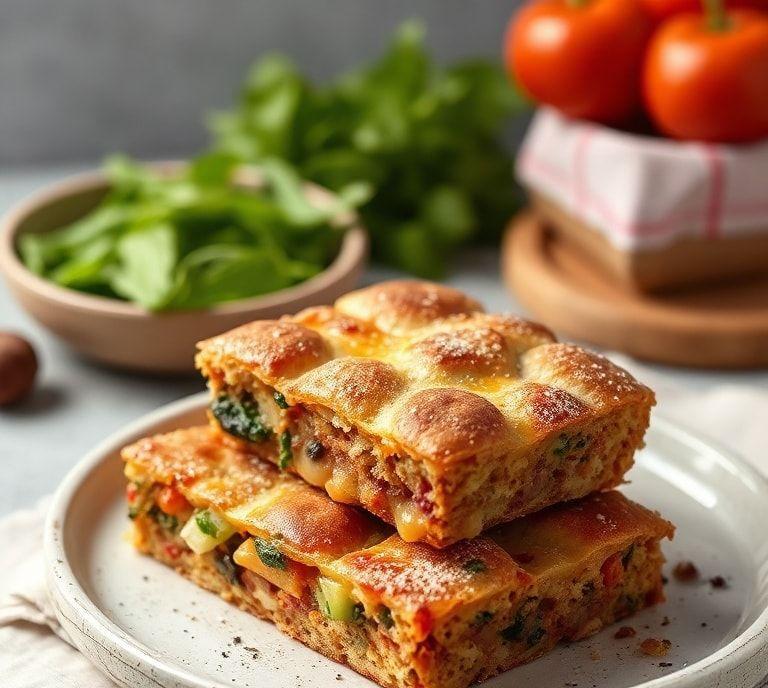
I’m going to share one of my go-to recipes for vegetarian baking: Vegan Carrot Cake Muffins. These muffins are so moist, with a delicate balance of spices and sweetness. The carrots lend a lovely natural sweetness, and the walnuts (if you’re a fan) add the perfect amount of crunch. They’re easy to make, and they don’t require any fancy equipment-just a mixing bowl and a whisk.
Ingredients Needed
Here’s what you’ll need for these carrot cake muffins:
- Whole wheat flour – 1 ½ cups (For added nutrition and a slightly nutty flavor)
- Baking powder – 1 tsp (Helps with the rise and fluffiness)
- Baking soda – ½ tsp (Gives the muffins a little extra lift)
- Ground cinnamon – 1 tsp (The warm, comforting spice)
- Ground nutmeg – ¼ tsp (A subtle touch of spice)
- Salt – ¼ tsp (To balance the sweetness)
- Flaxseed meal – 2 tbsp (This will replace the eggs and help bind everything together)
- Water – 6 tbsp (To activate the flaxseed meal, turning it into a ’flax egg’)
- Maple syrup – ¼ cup (For natural sweetness)
- Coconut oil – ⅓ cup (For moisture and a bit of richness)
- Shredded carrots – 1 ½ cups (You’ll need to grate them yourself, but it’s worth it!)
- Chopped walnuts – ⅓ cup (Totally optional, but they add a great texture)
- Vanilla extract – 1 tsp (A hint of sweetness and depth)
Cooking Instructions
- Prepare your flax egg: Start by mixing the flaxseed meal with water in a small bowl. Stir it well and let it sit for about 5-10 minutes. This will give it time to thicken and form a gel-like consistency-this is what helps bind everything together in the absence of eggs.
- Preheat your oven: Set your oven to 350°F (175°C). Line a muffin tin with paper liners or lightly grease the cups.
- Dry ingredients first: In a large mixing bowl, whisk together the whole wheat flour, baking powder, baking soda, cinnamon, nutmeg, and salt. This ensures everything is evenly distributed.
- Wet ingredients next: In a separate bowl, mix together the flax egg, maple syrup, coconut oil, and vanilla extract. Whisk them until smooth.
- Combine the two: Slowly pour the wet mixture into the dry ingredients, stirring gently as you go. Once they’re just combined, fold in the shredded carrots and walnuts (if using). Don’t overmix-you want a nice, airy batter.
- Spoon into muffin tin: Divide the batter evenly between the muffin cups. I usually aim for about ¾ full for each cup, which allows room for the muffins to rise without overflowing.
- Bake: Pop the muffin tin into the oven and bake for about 18-22 minutes, or until a toothpick inserted into the center comes out clean.
- Cool: Let the muffins cool in the tin for a few minutes before transferring them to a wire rack to cool completely. If you can resist, let them sit for 10-15 minutes-these muffins are even better once they’ve had a little time to set!
Ingredient Science Spotlight
Understanding the science behind the ingredients in vegetarian baking can transform your approach in the kitchen. Here’s a peek at the key ingredients in this recipe:
- Flaxseed Meal: This is the magic ingredient in vegan baking that replaces eggs. When mixed with water, it forms a gel-like consistency, helping to bind the ingredients together just like eggs would. Plus, flax is a nutritional powerhouse, packed with omega-3 fatty acids, fiber, and antioxidants.
- Whole Wheat Flour: Not only does whole wheat flour add a nuttier flavor, but it also contributes more fiber and nutrients compared to all-purpose flour. The texture is denser, which is why it works so well in muffins-adding a bit of structure without being too heavy.
- Coconut Oil: Coconut oil is a great fat substitute because it helps create a tender crumb while adding a subtle coconut flavor. It’s solid at room temperature, which makes it excellent for baking, helping to give the muffins a rich, moist texture.
- Carrots: Carrots bring natural sweetness and moisture to these muffins. When baked, they release moisture into the batter, which helps prevent the muffins from becoming dry. Their subtle earthy sweetness also enhances the overall flavor profile.
Expert Tips
- Don’t skip the flax egg: If you’re new to flaxseed, it might seem like an odd replacement for eggs. But trust me, it works wonders in baking! Just be sure to let the flaxseed sit long enough to thicken before you use it.
- Grate the carrots finely: You want the carrot shreds to blend into the batter, not stand out in big chunks. A fine grate will ensure they cook evenly and add that perfect moistness to each muffin.
- Go easy on the mixing: Once the wet and dry ingredients are combined, be careful not to overmix the batter. Overmixing can cause the muffins to be dense and tough. Gently fold everything together until just combined.
- Add-ins: If you want to get creative, feel free to mix in other ingredients like raisins, sunflower seeds, or shredded coconut. Just make sure to keep the balance so the muffins don’t become too heavy.
Recipe Variations
- Zucchini Carrot Muffins: If you have zucchini on hand, you can easily swap out half the carrots for shredded zucchini. It’ll add even more moisture and a subtle, fresh flavor to the muffins.
- Banana Carrot Muffins: Add a mashed ripe banana to the batter for a more pronounced sweetness and extra moistness. Bananas also pair beautifully with the warm spices in this recipe.
- Spiced Version: If you like your baked goods with a bit more spice, try adding ground ginger or cloves to the mix. They’ll enhance the flavor and give the muffins a little extra warmth.
Final Words
Baking vegetarian doesn’t mean sacrificing taste or texture. In fact, as I’ve learned, it can open up a world of new flavors and possibilities. Whether you’re swapping eggs for flaxseed or experimenting with plant-based oils, there’s always something new to learn in the kitchen. These carrot cake muffins are a great starting point for anyone wanting to explore vegetarian baking. They’re simple, wholesome, and, above all, delicious.
FAQs
What Are Some Common Substitutes For Eggs In Vegetarian Baking Recipes?
In vegetarian baking, eggs are often replaced with various plant-based ingredients, such as flaxseeds, chia seeds, applesauce, mashed bananas, or silken tofu. Flaxseeds or chia seeds can be mixed with water to create a gel-like consistency, while applesauce and bananas add moisture and sweetness to baked goods. Silken tofu can be blended to provide structure, making it ideal for cakes and brownies.
Can I Use Dairy-free Alternatives In Vegetarian Baking Recipes?
Yes, you can easily substitute dairy products in vegetarian baking recipes with dairy-free alternatives. Plant-based milks such as almond milk, soy milk, or oat milk can replace cow’s milk. Dairy-free butter or margarine works well in place of regular butter, and vegan sour cream or coconut cream can replace sour cream or heavy cream. Make sure to choose alternatives that fit the specific flavor and texture of your recipe.
Are There Any Tips For Making Sure Vegetarian Baked Goods Are Not Too Dense?
To avoid dense vegetarian baked goods, it’s essential to use the right balance of ingredients and proper mixing techniques. Ensure that your leavening agents, such as baking powder or baking soda, are fresh and used in the correct amounts. Also, be careful not to overmix the batter, as this can lead to a tough texture. Consider adding ingredients that help with moisture and fluffiness, such as yogurt, applesauce, or aquafaba (the liquid from canned chickpeas).