There’s something incredibly satisfying about a burrito, don’t you think? The whole package-soft flour tortilla, flavors that fuse together, and that cozy, comforting feeling when you take a bite. But what happens when you make it vegetarian and add a little Indian twist? Magic, that’s what.
I’ll admit, I was a little skeptical when I first thought of combining two worlds-Mexican and Indian-so seemingly far apart. But after a few trials (and a couple of unceremonious dinner fails), I found the perfect balance of spices and textures that brings these two cuisines together in a way I never imagined. The result is a burrito that bursts with flavors from both the streets of Mexico and the vibrant kitchens of India, wrapped up neatly in a tortilla. Trust me, it’s everything you didn’t know you needed.
Let’s dive into the recipe, shall we? I promise this is going to be one of those dishes you’ll make over and over again. It’s hearty, wholesome, and will fill your home with the kind of smell that makes you just hungry for more.
Burrito Vegetarian Indian Recipe
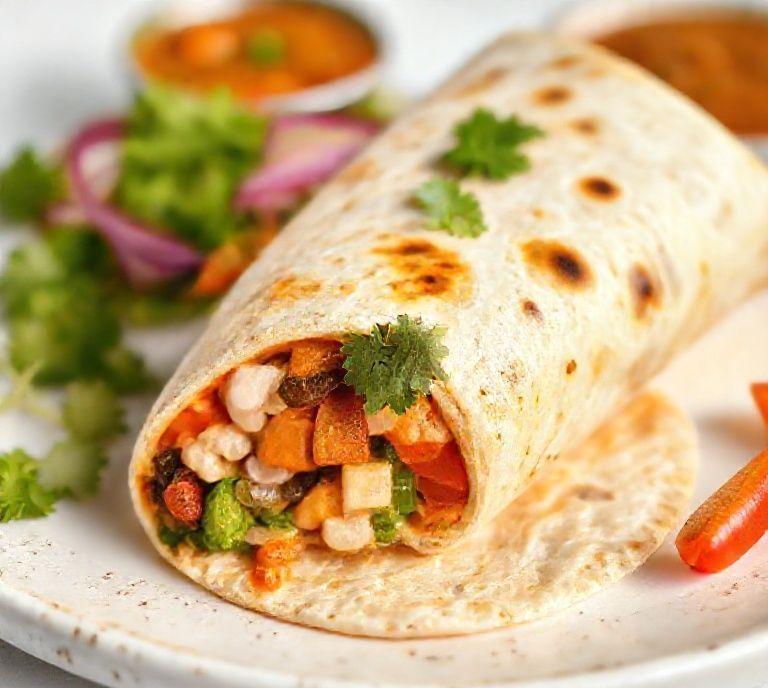
To kick things off, let’s talk about the concept here. The traditional burrito is usually filled with some kind of protein (often chicken, beef, or pork) along with rice, beans, and a few toppings. But for this vegetarian version, we’re switching things up by adding classic Indian ingredients, rich with flavor and texture. You’re looking at a whole different kind of experience with the addition of spices like cumin, coriander, turmeric, and garam masala, blended seamlessly with the warm goodness of rice and beans.
This recipe works for both quick dinners and for meal prep because it can be customized and made in large batches. You can also easily adapt it to suit dietary preferences, whether you prefer gluten-free tortillas or opt for dairy-free versions.
Ingredients Needed
The key to making a great Indian-inspired vegetarian burrito is in the ingredients. You’ll be using a lot of pantry staples that you might already have at home. Here’s what you’ll need:
- Flour tortillas: The base of any burrito. Go for large ones so they can hold all the fillings comfortably.
- Cooked rice: White, brown, or even basmati rice will work well here. Basmati rice, though, adds a beautiful aroma that complements the spices in the dish.
- Black beans: A classic burrito ingredient, providing protein and creaminess. You could swap them out for pinto beans or chickpeas, but I find black beans to hold their shape better in the burrito.
- Potatoes: You’ll need potatoes for that hearty texture, which is an essential part of this dish. They absorb all the spices and flavors wonderfully.
- Paneer (Indian cheese): This is a soft, mild cheese that doesn’t melt but has a lovely texture that works perfectly in a burrito. If you can’t find paneer, firm tofu is a good substitute.
- Vegetables: Think bell peppers, onions, and spinach. These are sautéed to create the perfect filling base for the burrito.
- Spices: This is where the magic happens. You’ll need turmeric, cumin, coriander, garam masala, and a pinch of chili powder. It’s a warming blend that’ll give your burrito that Indian touch.
- Yogurt: To make the filling creamy and rich, you’ll be using plain yogurt. If you’re vegan, coconut yogurt works wonders here.
- Cilantro: For that fresh hit of herbaceous goodness right at the end.
- Lemon juice: A squirt of lemon brightens everything up and adds a zesty finish.
Cooking Instructions
- Cook the rice and beans: Start by cooking your rice if it’s not already done. I like to use a rice cooker for the fluffiest results. Drain and rinse your black beans, and set them aside.
- Prepare the potatoes: Peel and dice the potatoes into bite-sized cubes. Heat some oil in a pan, then fry the potatoes until they’re golden and crispy on the outside but soft inside. Season them with a pinch of salt and set aside.
- Sauté the vegetables: In the same pan, sauté your onions, bell peppers, and any other veggies you’re using. Add cumin, coriander, turmeric, and garam masala. The smell at this point will be incredible, trust me. Toss in a handful of spinach toward the end and let it wilt.
- Make the paneer or tofu filling: If you’re using paneer, cube it and lightly fry it in a separate pan with some oil. If using tofu, press the tofu first to get rid of excess water, then crumble it and sauté it with some of the spices until it’s golden brown.
- Assemble the burritos: Now comes the fun part. Warm your tortillas in a dry pan for a few seconds to make them more pliable. Add rice, beans, potatoes, sautéed veggies, and the paneer or tofu. Top it off with a dollop of yogurt, a squeeze of lemon, and fresh cilantro.
- Roll and serve: Roll up the burritos tightly and serve with a side of your favorite salsa or chutney. Enjoy!
Ingredient Science Spotlight
Each ingredient in this burrito does more than just add flavor. Let’s break down a few:
- Potatoes: They’re not just filling-they also provide starch, which acts as a binder, helping to hold all the other ingredients together. Plus, they’re an excellent source of potassium and vitamin C, giving you a nutritional boost.
- Paneer: This soft cheese is high in protein, making it an essential ingredient for vegetarians. It also provides a good dose of calcium, which is crucial for bone health.
- Turmeric: This golden spice is a powerhouse. Curcumin, the active compound in turmeric, has anti-inflammatory and antioxidant properties. It’s also what gives this burrito its beautiful yellow hue.
- Black Beans: Full of fiber and protein, black beans are a great meat alternative. They help to balance out the meal’s carbs by providing essential nutrients like folate and iron.
Expert Tips
- Make sure your potatoes are crispy: This adds texture, which is vital in any burrito. Don’t rush this step. A crispy potato in every bite makes a huge difference!
- Don’t skip the yogurt: A simple dollop adds so much creaminess and balances out the spices. You can even add a bit of mint to the yogurt for a refreshing twist.
- Keep it warm: If you’re meal prepping, wrap the burritos in foil after assembling and warm them in the oven before eating. They hold up beautifully.
Recipe Variations
- Spicy version: If you like heat, add fresh chilies to the vegetables as they sauté or sprinkle some chili flakes on the finished burrito.
- Grilled version: After rolling the burritos, grill them lightly on a hot pan to give the tortilla a bit of crunch and smokiness.
- Vegan version: Swap the paneer for tofu or tempeh, and use a dairy-free yogurt alternative. The result is just as delicious.
Final Words
This isn’t just any burrito. It’s an experience, a blend of cultures, and a comfort meal that manages to be both familiar and new. There’s something magical about combining two cuisines that are so beloved for their bold flavors and vibrant ingredients.
You’re going to love how everything comes together-the warmth of the spices, the creaminess of the yogurt, the crispness of the potatoes, and the heartiness of the rice and beans. It’s one of those dishes that feels like it came together by accident, but you’d never want to make it any other way.
FAQs
What Ingredients Are Commonly Used In A Vegetarian Indian Burrito?
A vegetarian Indian burrito typically combines traditional Indian flavors with classic burrito components. Common ingredients include spiced vegetables such as potatoes, peas, carrots, and bell peppers, cooked with Indian spices like cumin, coriander, turmeric, and garam masala. Lentils or chickpeas are often added for protein. Additional fillings can include paneer, rice or quinoa, fresh cilantro, yogurt or raita, and chutneys. The mixture is then wrapped in a whole wheat or flour tortilla.
How Can I Make A Vegetarian Indian Burrito Healthier?
To make a vegetarian Indian burrito healthier, focus on incorporating nutrient-dense ingredients and reducing excess fats or refined carbohydrates. Use brown rice, quinoa, or whole wheat tortillas instead of white rice or refined flour tortillas. Add plenty of vegetables to increase fiber content, and use low-fat or homemade yogurt instead of heavy sauces. Opt for steaming or lightly sautéing vegetables instead of frying. Reducing added salt and choosing fresh spices will enhance flavor without relying on sodium.
Can I Make A Vegetarian Indian Burrito Vegan?
Yes, a vegetarian Indian burrito can easily be made vegan. Replace dairy-based ingredients such as paneer with tofu or tempeh, and substitute yogurt or raita with coconut yogurt or cashew cream. Ensure that the tortillas do not contain milk or eggs, and use vegetable oil instead of ghee. By carefully selecting plant-based alternatives for protein, creaminess, and flavor, you can create a fully vegan version that retains authentic Indian flavors.