If you’ve ever found yourself wandering through an IKEA store, chances are you’ve been lured into their cafeteria for a plate of those infamous vegetarian meatballs. The scent alone is enough to send anyone’s stomach into overdrive, making it hard to resist. The irony is, while IKEA is famous for its furniture and Swedish origins, their food is what keeps people coming back, even if they’re just there for a couple of shelves.
IKEA’s vegetarian meatballs have become something of a cult favorite, not only for those looking to reduce their meat consumption but also for anyone who appreciates a hearty, satisfying meal. They’re packed with flavor, comfort, and just the right amount of indulgence. As someone who has tasted these meatballs countless times, I can tell you they’re a revelation. So, why not recreate this deliciousness in your own kitchen? I’ll walk you through every detail of making these meatballs from scratch, so you can enjoy that same IKEA magic, without the need for a flat-pack bookshelf.
Ikea Vegetarian Meatballs Recipe
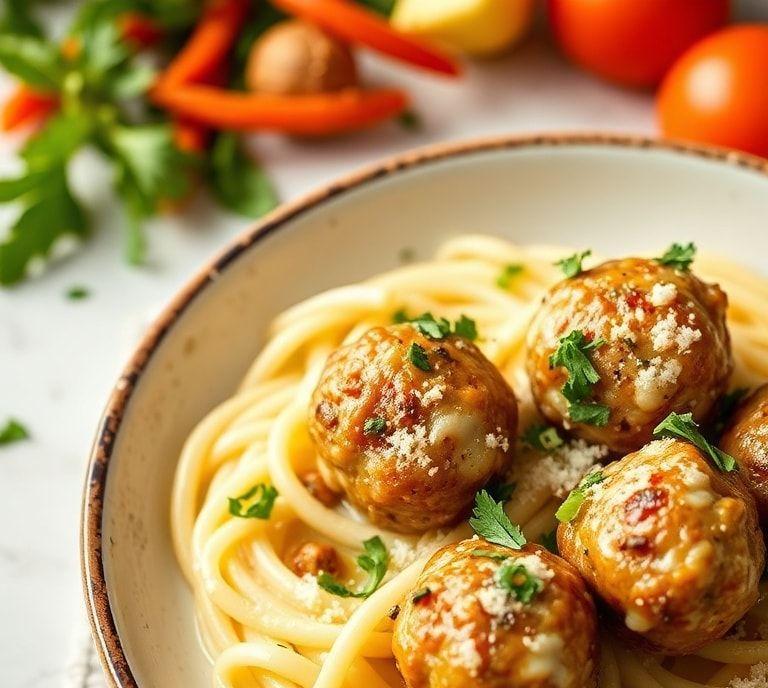
Creating a copy of IKEA’s vegetarian meatballs is easier than you might think. It’s all about balancing flavors and textures. Think of these meatballs as a hybrid between traditional meatballs and veggie burgers-soft, tender on the inside, crispy on the outside, and full of comforting, savory goodness.
Ingredients Needed
Here’s what you’ll need to make these irresistible meatballs:
- 1 cup cooked quinoa – This serves as the foundation for the meatballs. It brings a bit of crunch and a lot of protein, making these meatballs filling and hearty.
- 1 ½ cups cooked lentils – I use green or brown lentils here, but you could also go for red. The lentils provide an earthy flavor and a meaty texture.
- 1 small onion, finely chopped – This adds a mild sweetness and a bit of depth to the flavor profile.
- 2 cloves garlic, minced – Garlic is always a game-changer, giving your meatballs that aromatic kick.
- 1 ½ cups breadcrumbs – They help bind everything together and provide that lovely crispiness on the outside.
- ½ cup grated carrots – Carrots add moisture and a subtle sweetness.
- 2 tablespoons tomato paste – For an extra layer of richness.
- 2 teaspoons dried thyme – This adds that signature herbaceous note you get in IKEA’s version.
- 1 teaspoon salt – To balance all the flavors.
- 1 teaspoon black pepper – Adds a little heat and depth.
- 1 tablespoon soy sauce – This gives the meatballs a nice umami flavor.
- 2 tablespoons olive oil – For sautéing the onions and garlic.
- 1 tablespoon ground flaxseeds – This acts as an egg replacement to help bind everything together.
Cooking Instructions
- Prepare the ingredients: Start by cooking the quinoa and lentils separately. I typically use leftover quinoa because it’s easy, but if you’re cooking fresh, make sure both are cooked until tender. Set them aside to cool.
- Sauté the onion and garlic: In a pan, heat a tablespoon of olive oil over medium heat. Add the chopped onion and sauté for about 5-7 minutes, until they turn soft and translucent. Toss in the garlic and cook for another minute until fragrant.
- Mix the base: In a large mixing bowl, combine the cooked quinoa, lentils, sautéed onion and garlic, grated carrots, breadcrumbs, tomato paste, thyme, salt, pepper, soy sauce, and flaxseed. Stir well until everything is evenly mixed.
- Form the meatballs: Use your hands or a spoon to shape the mixture into small meatballs. They should be about 1-1.5 inches in diameter.
- Cook the meatballs: Heat the remaining tablespoon of olive oil in a skillet over medium heat. Carefully add the meatballs to the pan and cook them in batches, turning them gently until all sides are golden brown and crispy-about 10 minutes total.
- Serve and enjoy: Once cooked, serve the meatballs hot with your favorite dipping sauce. I love them with a side of creamy mashed potatoes and lingonberry sauce, just like they do in the IKEA cafe!
Ingredient Science Spotlight
Let’s break down some of the key ingredients and their role in making these meatballs a success.
- Quinoa: Quinoa isn’t just a trendy grain-it’s a powerhouse of protein, fiber, and essential amino acids. It’s what gives these meatballs their ’meaty’ texture, making them feel hearty and filling, even without any meat. It also helps with binding, so your meatballs don’t fall apart while cooking.
- Lentils: Lentils are rich in plant-based protein and fiber, making them a great substitute for ground meat. They also absorb the other flavors you add, creating that satisfying savory taste that’s crucial for a delicious meatball. Whether you use brown, green, or red lentils, they all bring something different to the table. Brown lentils, for example, provide a nice firm texture, while red lentils will break down a little more and create a softer interior.
- Flaxseeds: In place of eggs, flaxseeds are an excellent binder for veggie meatballs. They swell when mixed with water, forming a gel-like consistency that helps hold the mixture together. They also add a subtle nutty flavor, boosting the overall taste without overshadowing the other ingredients.
Expert Tips
- Use cold ingredients: To get the best texture for your meatballs, try to make sure your quinoa and lentils are fully cooled before mixing them together. Warm ingredients can make the mixture too soft, making it harder to shape and cook the meatballs.
- Don’t skip the breadcrumbs: The breadcrumbs are essential to achieving that perfect crispy exterior. They help to absorb any excess moisture and give the meatballs their signature crunch.
- Cooking in batches: Don’t overcrowd the pan. Give the meatballs space to cook evenly and get that beautiful golden-brown crust. If the pan is too full, the meatballs will steam rather than fry, which affects their texture.
- Try using fresh herbs: If you’re feeling fancy, try fresh thyme or parsley instead of dried herbs. Fresh herbs brighten up the flavor and add a touch of freshness that’s hard to beat.
Recipe Variations
IKEA’s vegetarian meatballs are pretty standard in their flavor profile, but that doesn’t mean you can’t experiment with them. Here are a few ideas to mix things up:
- Spicy meatballs: Add a bit of chili flakes or cayenne pepper to the mixture for a spicy kick.
- Mushroom meatballs: For an extra umami punch, try finely chopping mushrooms and mixing them into the meatball base. The mushrooms will bring a deeper, earthier flavor.
- Cheesy meatballs: Mix in some grated vegan cheese for a creamy, cheesy texture inside your meatballs.
- Asian-style meatballs: Add ginger, sesame oil, and a touch of soy sauce to the mixture for an Asian-inspired twist. Serve with a dipping sauce made of soy sauce, rice vinegar, and a sprinkle of sesame seeds.
Final Words
The IKEA vegetarian meatballs have earned their place in the hearts of many for good reason. They’re comforting, satisfying, and surprisingly easy to recreate at home. Plus, making them yourself means you can tweak the recipe to fit your personal taste or dietary preferences, and I can guarantee you’ll have just as much fun as I did playing with the ingredients and watching those meatballs come together.
FAQs
What Ingredients Are Needed To Make Ikea Vegetarian Meatballs?
To make Ikea vegetarian meatballs, you will need the following ingredients: plant-based meat (such as soy or pea protein), breadcrumbs, onions, garlic, vegetable broth, flour, salt, pepper, soy sauce, olive oil, and various herbs and spices like dried thyme or oregano.
How Do I Prepare Ikea Vegetarian Meatballs?
To prepare Ikea vegetarian meatballs, first sauté finely chopped onions and garlic in olive oil until soft. Then, mix the sautéed onions with the plant-based meat, breadcrumbs, flour, and seasonings. Shape the mixture into small balls and fry them in olive oil until golden brown on all sides. For a richer flavor, you can make a simple sauce by combining vegetable broth, soy sauce, and a bit of flour to thicken.
Can I Freeze Ikea Vegetarian Meatballs, And How Do I Store Them?
Yes, Ikea vegetarian meatballs can be frozen. After cooking them, allow the meatballs to cool completely, then store them in an airtight container or a freezer-safe bag. They can be kept in the freezer for up to 3 months. When ready to serve, you can reheat them in the oven or in a skillet over medium heat.