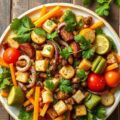
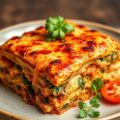
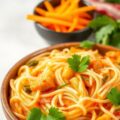
If you’ve ever visited India or shared a meal with someone from the subcontinent, you might’ve noticed that food is much more than just sustenance-it’s an art, a tradition, and a celebration of life itself. The vibrant colors, bold flavors, and aromatic spices that fill the air make Indian vegetarian cuisine an unforgettable experience. Whether you’re a lifelong vegetarian or someone just starting to explore plant-based cooking, Indian cuisine offers a wide range of dishes that will make you fall in love with vegetables all over again.
But beyond the mesmerizing smells and mouthwatering visuals, Indian vegetarian food is also deeply tied to history, culture, and health. It’s a reflection of the region’s diverse landscapes and the abundance of fresh ingredients available. And the beauty of these dishes? They don’t just taste amazing, they’re often packed with nutrients that can nourish your body and soul.
In this guide, we’ll dive into one of India’s classic vegetarian dishes. I’ll share a step-by-step recipe, the ingredients you’ll need, and a little science behind some of those magical spices that make Indian food so special. Along the way, I’ll throw in a few personal stories and expert tips to help you feel like you’ve just walked into a cozy Indian kitchen where the secrets of the universe are passed down with every dish.
Indian Vegetarian Dishes Recipe: Chole (Chickpea Curry)
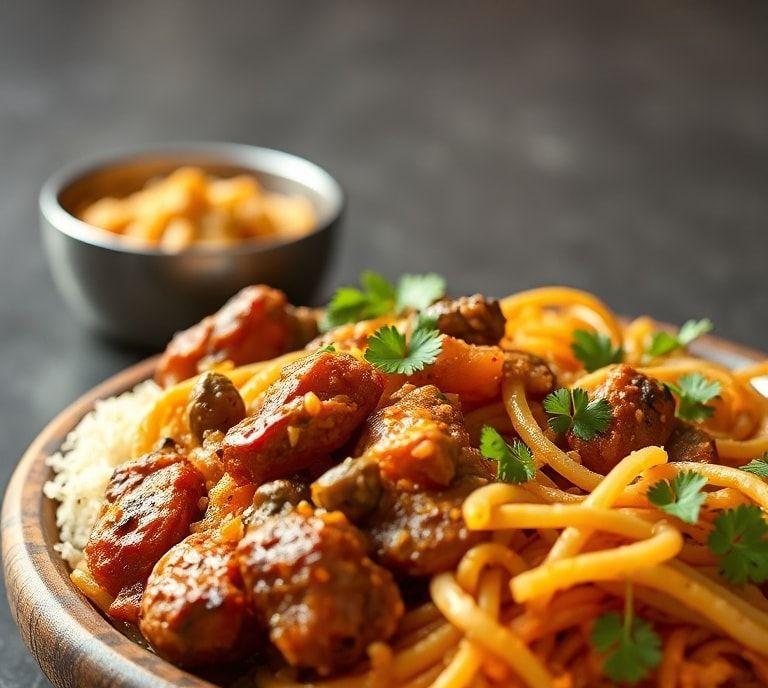
Chole is one of the most beloved and comforting dishes in Indian cuisine, particularly in the northern regions like Punjab. It’s hearty, rich, and can be eaten with a variety of sides, but it’s most commonly served with bhature (a fluffy, deep-fried bread) or rice. This dish is perfect for any occasion-whether you’re feeding a crowd or just making something to fill your kitchen with delicious smells on a quiet Sunday afternoon.
Here’s the recipe for Chole that has been passed down in my family for generations. It’s a dish that brings people together, and trust me, it’ll make your kitchen smell like a spice bazaar.
Ingredients Needed
To make a traditional Chole, you’ll need the following ingredients:
For The Chole (Chickpeas)
- 2 cups dried chickpeas (or 4 cups canned chickpeas, drained and rinsed)
- 1 large onion, finely chopped
- 2 medium tomatoes, pureed
- 2 tablespoons ginger-garlic paste (freshly made is best)
- 1 green chili, slit
- 2 teaspoons cumin seeds
- 1 bay leaf
- 1 cinnamon stick
- 4-5 cloves
- 3-4 cardamom pods
- 1 teaspoon turmeric powder
- 1 teaspoon red chili powder
- 1 teaspoon garam masala
- 1 tablespoon coriander powder
- Salt to taste
- 2 tablespoons oil or ghee (clarified butter)
- 3-4 cups water (for the gravy)
- Fresh cilantro leaves, chopped (for garnish)
For The "secret Ingredient" (optional But Highly Recommended)
- 1 black tea bag (this is what gives Chole its dark color and adds a bit of depth to the flavor)
For Serving
- Warm bhature or steamed basmati rice
Cooking Instructions
Step 1: Prepare The Chickpeas
If you’re using dried chickpeas, soak them in plenty of water overnight. If you forget to soak them (like I often do in the middle of a busy week), you can speed up the process by using the quick-soak method. Just bring them to a boil in a large pot, let them simmer for about 5 minutes, and then let them sit for an hour before cooking. If you’re using canned chickpeas, you’re all set-just drain and rinse them thoroughly.
Step 2: Temper The Spices
Heat oil (or ghee) in a large pot over medium heat. Add cumin seeds, bay leaf, cinnamon stick, cloves, and cardamom pods. Let the spices sizzle for about 30 seconds, releasing their beautiful fragrance into the air. It’s a moment of magic-the beginning of a dish that’s going to transport you straight to the heart of India.
Step 3: Sauté The Onions And Ginger-Garlic Paste
Add the finely chopped onions to the pot and sauté until golden brown-this step is crucial because it builds the foundation of the flavor. Next, stir in the ginger-garlic paste and green chili. The aroma that fills your kitchen at this point is intoxicating-earthy, spicy, and just a little bit sweet. Cook the ginger-garlic paste for 2-3 minutes until the raw smell disappears.
Step 4: Add The Tomatoes And Spices
Now, add the pureed tomatoes, turmeric, red chili powder, coriander powder, and salt. Let the tomato-spice mixture cook down until the oil begins to separate from the masala (spice mix). This is a key point-don’t rush this step. Let the flavors meld and develop depth. The tomatoes should break down into a smooth, rich gravy.
Step 5: Simmer The Chickpeas
Add the soaked chickpeas (or canned chickpeas) to the pot, followed by about 3-4 cups of water. Toss in the tea bag (if using)-this will give the curry that beautiful deep brown color. Bring everything to a boil, then reduce the heat and let it simmer for 30-40 minutes. If you’re using dried chickpeas, make sure they are soft before moving on. If the curry looks too thick, you can add a bit more water to reach your desired consistency.
Step 6: Add Garam Masala And Finish
Once the chickpeas are tender and the curry has thickened, add the garam masala and stir well. This is the finishing touch that ties everything together. Garnish with fresh cilantro and serve hot with bhature or rice.
Ingredient Science Spotlight
Each ingredient in this dish plays a role, not just in flavor but in health benefits as well. Take cumin, for example. It’s not only aromatic, but it also aids digestion. The coriander powder has anti-inflammatory properties, and turmeric-well, you already know its magical antioxidant powers. But there’s a subtle science behind the spices that makes the dish work so perfectly. The combination of warming spices like cinnamon, cloves, and cardamom not only complements the chickpeas but also helps balance out the heat from the chili. The result? A complex yet harmonious flavor profile that’s as satisfying to the palate as it is nourishing to the body.
Expert Tips
- Soaking Chickpeas: If you’ve soaked your chickpeas properly, they’ll cook much faster, and the texture will be softer. You can also add a pinch of baking soda to the soaking water to further soften the chickpeas.
- Layering Flavors: Don’t rush the cooking of the onions and spices. Let them caramelize slightly and allow the flavors to develop before adding the tomatoes. This layering of flavors is what makes Indian dishes so rich and aromatic.
- Tea Bag Trick: The black tea bag is a bit of an Indian kitchen hack. It adds color and a slight tannin bitterness that balances the richness of the curry. If you’re not a fan of the tannin flavor, you can skip it, but I highly recommend giving it a try at least once.
Recipe Variations
- Add Potatoes: Many people love adding potatoes to their Chole. The starch from the potatoes can help thicken the gravy and provide a bit of a texture contrast to the chickpeas.
- Chana Masala: This is similar to Chole but with a different spice blend. You can use store-bought Chana Masala powder, which is a more straightforward version of this dish. If you’re short on time or ingredients, it’s a great shortcut.
- Kale or Spinach: For a twist, you can throw in some leafy greens like spinach or kale towards the end of cooking. These will add an earthy flavor and boost the nutritional value.
Final Words
Cooking Indian food isn’t just about the ingredients or the technique-it’s about connecting with something deeper, whether it’s a tradition, a memory, or a new experience. As you cook your Chole, take a moment to appreciate the blend of spices and how they come together to create something greater than the sum of its parts.
FAQs
What Are Some Popular Indian Vegetarian Dishes?
Some popular Indian vegetarian dishes include Paneer Butter Masala, Chole (Chickpea Curry), Baingan Bharta (Smoky Eggplant Curry), Aloo Gobi (Potato and Cauliflower Curry), Palak Paneer (Spinach and Paneer Curry), and Daal Tadka (Spiced Lentil Soup). These dishes showcase a variety of rich flavors, textures, and cooking techniques commonly used in Indian cuisine.
What Are The Essential Ingredients For Making Indian Vegetarian Dishes?
The essential ingredients for making Indian vegetarian dishes include a variety of spices like cumin, coriander, turmeric, garam masala, mustard seeds, and chili powder. Common vegetables such as potatoes, cauliflower, spinach, peas, and eggplant are widely used. Dairy products like paneer (Indian cottage cheese) and yogurt also play an important role, along with lentils (dal), rice, and flatbreads like roti and naan.
Are Indian Vegetarian Dishes Suitable For A Gluten-free Diet?
Yes, many Indian vegetarian dishes can be made gluten-free, especially when using rice, lentils, and vegetables as primary ingredients. Dishes like Daal, Aloo Gobi, and vegetable curries are naturally gluten-free. However, it’s important to ensure that any flatbreads, like naan or paratha, are made without wheat flour or use gluten-free alternatives like rice flour or millet flour.