When I think about creating a great meal, it’s not just about the food itself but about the experience-the smells that fill the kitchen, the anticipation as it cooks, and that moment when everything comes together perfectly. Cooking has always been something I find both calming and exciting. There’s something deeply satisfying about making something from scratch, knowing exactly what’s going into it and how it’ll turn out.
Vegetarian meals, for me, have always been a playground of flavors, textures, and colors. I think what draws me to them is how versatile they are. A vegetarian recipe can be comforting and hearty or light and refreshing, and there’s a whole world of ingredients to experiment with. It’s an opportunity to push boundaries, try new things, and truly make something unique.
Today, I’m excited to share with you a vegetarian recipe that has become a personal favorite. It’s one of those dishes I find myself returning to time and again because it’s both nourishing and incredibly flavorful. It’s simple, yet a bit sophisticated. And most importantly, it’s versatile-there’s room to play with ingredients and tweak things to your liking. So, let’s dive into this mouth-watering vegetarian recipe!
Filling Vegetarian Recipe
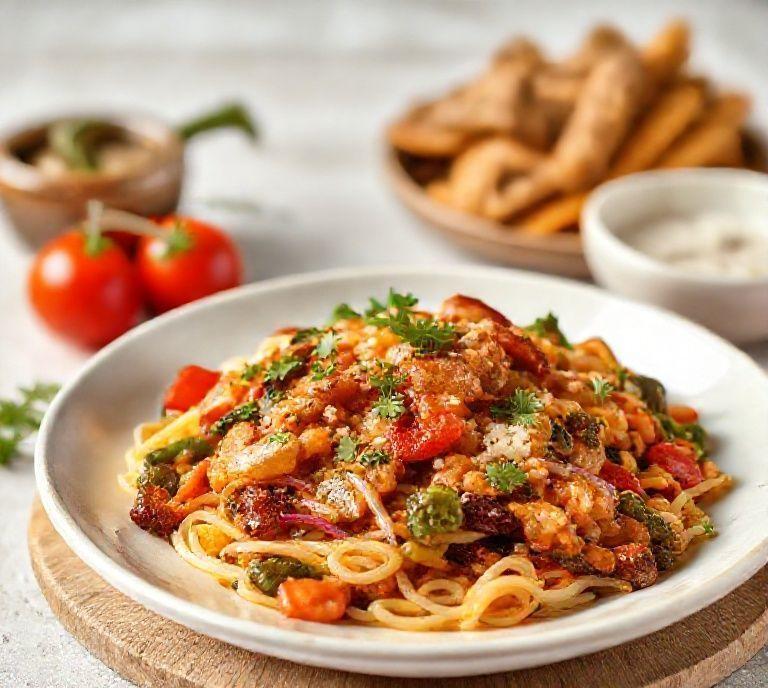
This recipe is a savory, comforting vegetable and chickpea stew with a hint of spice, perfect for any season. It’s hearty enough to fill you up but light enough to leave you feeling refreshed, thanks to the balance of hearty root vegetables and the clean, earthy flavor of chickpeas. Imagine this stew bubbling away on a cool autumn evening-there’s something about the blend of cumin, coriander, and turmeric that makes the air smell like home.
What I love about this dish is how it brings together ingredients that, on their own, might seem unassuming but, when combined, create a symphony of flavors. The vegetables soften and meld with the spices, while the chickpeas add a delightful texture that makes each bite satisfying. The tomatoes lend a bit of tang, and the broth pulls everything together into a rich, savory base.
Ingredients Needed
For this recipe, you’ll need a selection of fresh, vibrant vegetables, along with a few pantry staples to make it come alive:
- Olive Oil (2 tablespoons): The base for sautéing your veggies and adding a light, fruity flavor.
- Yellow Onion (1 large, diced): A great starter to any savory dish, lending sweetness and depth when cooked.
- Carrots (2, peeled and chopped): Sweet and slightly earthy, they’ll soften beautifully in the stew.
- Potatoes (2 medium, peeled and cubed): They add substance and heartiness to the dish.
- Garlic (3 cloves, minced): Because no stew is complete without the aromatic foundation of garlic.
- Canned Chickpeas (2 cans, drained and rinsed): The protein-packed base of the stew, providing texture and nutrition.
- Tomatoes (2 large, chopped or 1 can of diced tomatoes): A burst of acidity that brightens up the dish.
- Vegetable Broth (4 cups): The liquid gold that pulls all the ingredients together into a smooth, savory base.
- Spices: Cumin (1 teaspoon), Coriander (1 teaspoon), Turmeric (½ teaspoon), Paprika (1 teaspoon): These will bring the dish to life, giving it warmth, depth, and a touch of heat.
- Fresh Spinach (2 cups): To add a fresh, slightly bitter contrast to the sweet vegetables.
- Salt & Pepper (to taste): For seasoning.
- Fresh Lemon Juice (optional, for a bit of tang at the end).
Cooking Instructions
The best part? This recipe doesn’t require any special cooking techniques or equipment, just a good ol’ pot and your attention to detail. Here’s how you bring it all together:
- Start with the base: Heat the olive oil in a large pot over medium heat. Add the diced onion and cook until it softens and turns translucent, about 5 minutes. The aroma of the onion sizzling in the oil always gets me-it’s a moment I look forward to every time.
- Add the garlic and spices: Once the onions are softened, stir in the garlic and let it cook for another minute. Then add the cumin, coriander, turmeric, and paprika. Stir everything together and let the spices bloom in the oil. You’ll start to notice how the air is filled with those warm, earthy scents-the cumin and coriander really shine here.
- Toss in the vegetables: Add the carrots and potatoes to the pot, stirring them in to coat with the spices. Let them cook for about 5 minutes, so they absorb all that flavorful oil.
- Bring in the tomatoes and broth: Add the chopped tomatoes (or canned tomatoes) and vegetable broth. Stir well and bring everything to a boil. Once it reaches a boil, lower the heat and let it simmer, uncovered, for about 20 minutes, or until the vegetables are tender and the flavors have had time to meld.
- Chickpeas to the rescue: Stir in the chickpeas and let the stew simmer for another 10 minutes. The chickpeas should heat through, and they’ll start to take on the flavors of the broth, which is exactly what you want.
- Finish with spinach and seasoning: Once the stew is done, toss in the fresh spinach and stir until it wilts. Season with salt and pepper to taste. If you like a bit of zing, squeeze a little fresh lemon juice over the top just before serving-it gives the dish a fresh pop that ties everything together.
- Serve and enjoy: Ladle the stew into bowls and serve with a side of warm, crusty bread to soak up all the delicious broth.
Ingredient Science Spotlight
Let’s talk about the stars of this dish: chickpeas. Chickpeas are a powerhouse ingredient, and not just because they add texture and protein. They’re packed with fiber, making them great for digestion and for keeping you feeling full longer. But the magic doesn’t stop there. Chickpeas are rich in folate and manganese, which help with everything from brain health to maintaining healthy bones. Plus, they have a mild, nutty flavor that works well in savory dishes and even some unexpected sweets.
The spices in this recipe-cumin, coriander, and turmeric-also deserve a little love. Cumin is often used in Middle Eastern and Indian cooking for its warm, earthy flavor. It’s known to have anti-inflammatory properties, which makes it not only flavorful but beneficial too. Turmeric, with its vibrant yellow hue, is another wonder spice. It’s packed with curcumin, a compound that’s been studied for its potential to reduce inflammation and improve brain function. When combined with black pepper (which we should definitely add to our dish), the bioavailability of curcumin is boosted, making it even more effective.
Expert Tips
- Use fresh, seasonal vegetables: When you’re making a stew like this, fresh produce really shines. In the fall, root vegetables like carrots and potatoes are at their peak, but feel free to swap in whatever veggies are in season. Sweet potatoes would be a lovely replacement for regular potatoes, and you can even throw in some parsnips for added depth.
- Adjust the heat level: If you’re someone who likes a bit of spice, feel free to add a pinch of cayenne pepper or a diced chili along with the spices. You could also throw in some red pepper flakes at the end for an extra kick.
- Make it a one-pot wonder: To save on cleanup, consider using the same pot for both sautéing and simmering. Just make sure to use a sturdy pot that can handle the heat without warping.
- Add some protein: If you want to bulk it up even more, try adding some cooked quinoa or lentils. Both would complement the chickpeas nicely and give the dish more staying power.
- Go for a richer broth: If you’re not vegan, adding a splash of cream or coconut milk can elevate the stew to a new level of richness and smoothness. I love using coconut milk, especially when the spices are involved-it adds a subtle sweetness that balances everything out.
Recipe Variations
While this recipe is a crowd-pleaser in its own right, don’t be afraid to get creative! Here are a few variations you can try:
- Add some greens: While spinach is great, you could easily swap it out for kale, chard, or even some tender arugula for a peppery bite.
- A little more heat: If you’re a fan of spicy food, try adding a diced jalapeño or some smoked paprika to really ramp up the flavor.
- Make it Mediterranean: Swap out the chickpeas for white beans, add some olives and a little feta cheese at the end, and serve it with a drizzle of olive oil and lemon juice for a Mediterranean twist.
Final Words
This vegetarian chickpea stew is everything you want in a meal-simple, nourishing, and full of flavor. It’s the kind of dish that warms you up from the inside out, and with all the textures and spices working together, it never gets boring. Plus, it’s easily adaptable, so you can tailor it to your tastes or what you have on hand in your pantry.
Whether you’re a seasoned cook or just starting out in the kitchen, this recipe is approachable yet packed with personality. It’s one of those dishes that has a way of making you feel like you’ve really accomplished something in the kitchen.
FAQs
What Are Some Common Ingredients Used In Filling Vegetarian Recipes?
Filling vegetarian recipes often include nutrient-dense ingredients such as legumes (lentils, chickpeas, beans), whole grains (quinoa, brown rice, bulgur), root vegetables (sweet potatoes, carrots, beets), and hearty greens (spinach, kale). Additionally, protein-rich foods like tofu, tempeh, and seitan can be used to enhance the dish’s fullness. Nuts, seeds, and avocados also add healthy fats, contributing to the overall richness of the meal.
How Can I Make A Vegetarian Recipe More Filling Without Using Meat?
To make a vegetarian recipe more filling, focus on incorporating high-protein and high-fiber ingredients. Adding legumes like lentils or chickpeas, whole grains like quinoa or barley, and vegetables such as squash or sweet potatoes can help create a satisfying, nutrient-packed dish. Including plant-based proteins like tofu, tempeh, or beans will also help provide a satisfying texture and nutritional balance. Additionally, healthy fats from ingredients like olive oil, avocado, or nuts can help make the meal more satiating.
Are There Any Vegetarian Recipes That Are Both Filling And Easy To Prepare?
Yes, there are several vegetarian recipes that are both filling and easy to prepare. For example, a simple vegetable stir-fry with tofu or tempeh over brown rice can be made in under 30 minutes and offers a balanced combination of protein, fiber, and healthy fats. Another option is a hearty lentil stew or chili, which can be prepared in one pot and provides a rich, filling meal. Additionally, salads with ingredients like quinoa, roasted vegetables, chickpeas, and a tahini dressing can be both satisfying and quick to assemble.