Have you ever found yourself craving something that’s simple yet comforting, bursting with flavor, and nourishing all at the same time? That’s exactly what an Italian vegetarian recipe brings to the table. When I think of Italian cuisine, it’s impossible not to picture a cozy kitchen in Tuscany, the smell of freshly baked bread, tomatoes simmering on the stove, and the sound of laughter as families gather around the dinner table. There’s something about Italian cooking-it’s not just about food, it’s about experience. And the beauty of vegetarian Italian dishes is that they pack all that heartwarming magic without a single bite of meat.
Now, you don’t need to be in Italy to enjoy an authentic Italian vegetarian meal. With a handful of fresh ingredients and a little time, you can recreate a taste of Italy right in your own kitchen. I’m excited to share one of my favorite vegetarian recipes that will fill your home with irresistible aromas and leave you feeling like you’ve just stepped off a plane in Rome. So, grab your apron, and let’s dive in!
Italian Vegetarian Recipe: Pasta Alla Caprese
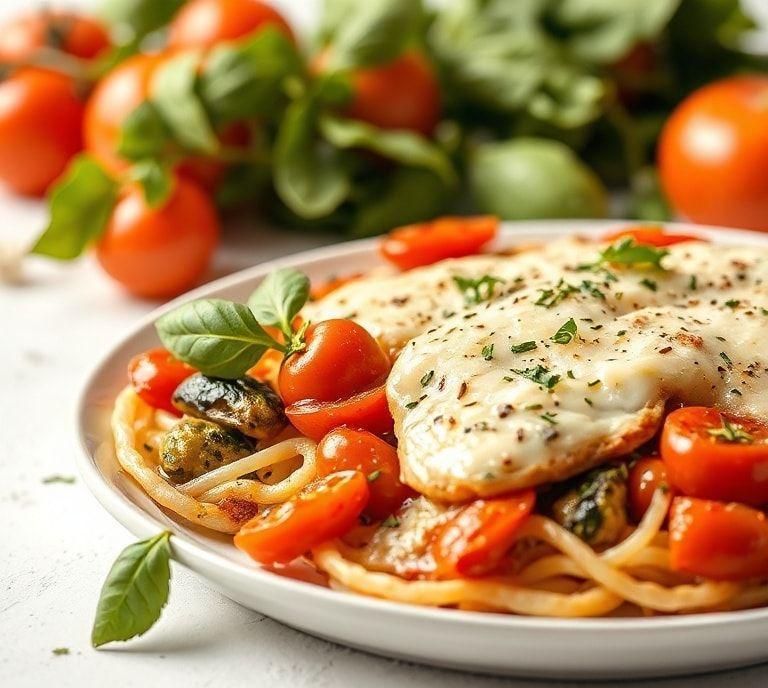
One of the most iconic dishes in Italian cuisine is the Caprese salad-those juicy tomatoes, fresh basil, creamy mozzarella, and a drizzle of olive oil. Now, imagine that delicious combo tossed with pasta and brought together with a light, flavorful sauce. That’s exactly what Pasta alla Caprese is all about: a vegetarian dish that’s as fresh as it is satisfying.
Ingredients Needed
The magic of this dish lies in its simplicity. Here’s what you’ll need:
- Pasta (300g) – Spaghetti, penne, or fusilli will work. Personally, I love the way fusilli holds onto the sauce, but you can’t go wrong here.
- Fresh Tomatoes (4-5 medium) – Ripe and flavorful. The kind that just bursts with juiciness when you bite into them.
- Fresh Basil (1 bunch) – This is non-negotiable. Fresh basil adds a layer of flavor that dried just can’t capture.
- Fresh Mozzarella (200g) – Mozzarella di bufala if you can get your hands on it; the creaminess of fresh mozzarella is what elevates the dish.
- Extra Virgin Olive Oil (3 tablespoons) – This will form the base of your sauce and contribute to that rich, lush flavor.
- Garlic (2 cloves) – Adds the depth of flavor we all love in Italian dishes.
- Salt & Pepper – Just to taste, but don’t skimp on the seasoning.
- Balsamic Vinegar (optional, for garnish) – A drizzle of balsamic vinegar adds that extra tang and complexity.
Cooking Instructions
-
Prepare The Pasta
Start by bringing a large pot of salted water to a boil. Once it’s boiling, drop in your pasta and cook according to the package instructions. You want it al dente, just firm enough to bite. While the pasta is cooking, now’s the time to prepare the sauce.
-
Make The Sauce
While the pasta is cooking, heat the olive oil in a large pan over medium heat. Once the oil is warm, add in the garlic. Sauté the garlic for about 30 seconds until fragrant, making sure not to burn it.
-
Add The Tomatoes
Chop your tomatoes into bite-sized pieces and add them to the pan with the garlic. Cook them down for about 5-7 minutes, letting them soften and release their juices. Season with salt and pepper. As the tomatoes cook, they’ll start to break down into a chunky sauce.
-
Combine With Pasta
Once your pasta is cooked, drain it and add it directly into the pan with the tomato sauce. Toss the pasta with the sauce so that it’s all evenly coated.
-
Add The Fresh Mozzarella
Tear the fresh mozzarella into small chunks and stir it into the pasta while it’s still warm. The heat will melt the mozzarella into creamy pockets throughout the dish, creating that gooey, irresistible texture.
-
Finish With Basil
Tear the fresh basil leaves and sprinkle them on top of the pasta just before serving. This will give the dish that fresh, aromatic bite that makes it feel so vibrant.
-
Serve & Garnish
Serve the pasta hot, with a drizzle of balsamic vinegar on top if you’d like a little extra zing. It’s optional, but it’s one of those finishing touches that makes all the difference.
Ingredient Science Spotlight
While the simplicity of this dish is part of its charm, there’s a lot happening behind the scenes in terms of flavor chemistry. Let’s start with the tomatoes-a cornerstone of Italian cooking. Tomatoes are packed with lycopene, a powerful antioxidant that gives them their red color and helps to neutralize harmful free radicals in the body. When you cook tomatoes, the heat actually boosts the concentration of lycopene, making it more available to your body. So, that delicious sauce isn’t just tasty, it’s good for you too.
Then, there’s basil, which releases a compound called eugenol when torn or crushed. This compound gives basil its signature sweet, slightly peppery aroma, and it’s also been shown to have anti-inflammatory properties. Basil not only makes your dish taste fresher but also brings a little extra goodness into your meal.
Finally, the mozzarella-especially when it’s fresh-has a natural richness, partly due to its high fat content. But it’s a special kind of fat, one that adds to the creamy texture without weighing you down. The more delicate texture of fresh mozzarella compared to its shredded, processed counterpart allows it to melt beautifully into the pasta, making the dish comforting without being overly heavy.
Expert Tips
- Perfecting the Pasta: The key to any pasta dish is to cook your pasta just right. Undercooked pasta is a mistake, but overcooking it turns it into a mushy mess. If you’re unsure, a minute or two before the suggested cooking time, start tasting your pasta. The idea is for it to have a slight bite to it. Trust me, you’ll notice the difference when you combine it with that sauce.
- Use Ripe Tomatoes: You might be tempted to use whatever tomatoes are available, but fresh, ripe, in-season tomatoes really make this dish shine. If you can’t find ripe ones, you can opt for cherry tomatoes-cut them in half, and they’ll create a burst of sweetness in every bite.
- Don’t Skip the Olive Oil: The quality of olive oil can truly make or break a dish like this. Use extra virgin olive oil with a rich flavor. You can even drizzle a little more on top just before serving for added depth.
- Get Creative with the Cheese: While fresh mozzarella is the traditional choice, feel free to swap it out for something like ricotta or even a sprinkling of parmesan if you’re looking for a stronger, sharper flavor.
Recipe Variations
While Pasta alla Caprese is perfect as is, don’t be afraid to play around with the ingredients a bit. Here are a few ideas:
- Add Vegetables: You could throw in some sautéed zucchini or roasted bell peppers to give the dish even more texture and flavor.
- Go Vegan: Swap out the mozzarella for a vegan mozzarella or even nutritional yeast for a cheesy flavor.
- Add Protein: If you’re not strictly vegetarian, grilled chicken or roasted chickpeas can be added for an extra protein boost.
- Spicy Twist: Add some red pepper flakes or a dash of chili oil for a bit of heat.
Final Words
This Pasta alla Caprese is a wonderful example of how Italian cuisine doesn’t need to be complicated to be delicious. It’s all about using the best, freshest ingredients and letting them shine. The combination of sweet tomatoes, creamy mozzarella, aromatic basil, and perfectly cooked pasta is the stuff food dreams are made of.
Cooking isn’t just about following a recipe-it’s about experimenting, tasting, and sharing the love with others. Whether you’re cooking for yourself or feeding a crowd, this dish is bound to leave everyone smiling.
FAQs
What Are Some Classic Italian Vegetarian Dishes?
Classic Italian vegetarian dishes include Caprese salad, which features fresh mozzarella, tomatoes, and basil; Risotto with mushrooms, a creamy rice dish; Eggplant Parmesan, a breaded and baked eggplant dish; and Pasta Primavera, a pasta dish with a variety of seasonal vegetables.
Can Italian Vegetarian Recipes Be Easily Adapted For Vegan Diets?
Yes, many Italian vegetarian recipes can be adapted for vegan diets by replacing dairy products like cheese and butter with plant-based alternatives. For example, vegan mozzarella and parmesan can be used in dishes like Eggplant Parmesan and Caprese salad. Olive oil can replace butter for cooking and flavor.
What Are The Essential Ingredients In An Italian Vegetarian Pantry?
An Italian vegetarian pantry typically includes olive oil, garlic, canned tomatoes, pasta (such as spaghetti or penne), fresh herbs (basil, oregano, and rosemary), balsamic vinegar, various cheeses (like mozzarella and ricotta for vegetarians), and a selection of vegetables such as eggplants, zucchinis, and bell peppers. These ingredients form the foundation for creating a wide range of flavorful vegetarian Italian dishes.