When it comes to special occasions-holidays, family gatherings, or just those moments when you want to make a meal feel a little more festive-nothing quite compares to the centerpiece of the table: a roast turkey. But for those of us who’ve made the choice to go vegetarian, whether for health, ethical, or environmental reasons, the traditional turkey doesn’t exactly hit the mark. This is where creativity comes into play, and why I’ve spent years perfecting a vegetarian turkey recipe that’s not only satisfying but genuinely delicious. It’s a rich, savory, and surprisingly hearty alternative to the classic bird, crafted with whole-food ingredients that transform into something far beyond your average meat substitute.
It wasn’t long ago that I was standing in my kitchen trying to figure out how to recreate that satisfying, comforting texture and flavor that we all associate with a roast turkey-without sacrificing the essence of a hearty, festive meal. After several attempts and a lot of taste testing, I finally landed on a recipe that has become a regular on my holiday tables. This vegetarian turkey is so convincing, you might just fool a few carnivores into thinking it’s the real deal. I can’t promise it will replace your turkey forever, but I can promise it’ll be a hit.
Let me walk you through the process, and along the way, I’ll share some of the kitchen discoveries I’ve made that helped me craft this dish. You won’t just get a recipe here-you’ll get a look at how every ingredient plays its part in bringing a vegan ’turkey’ to life.
Vegetarian Turkey Recipe
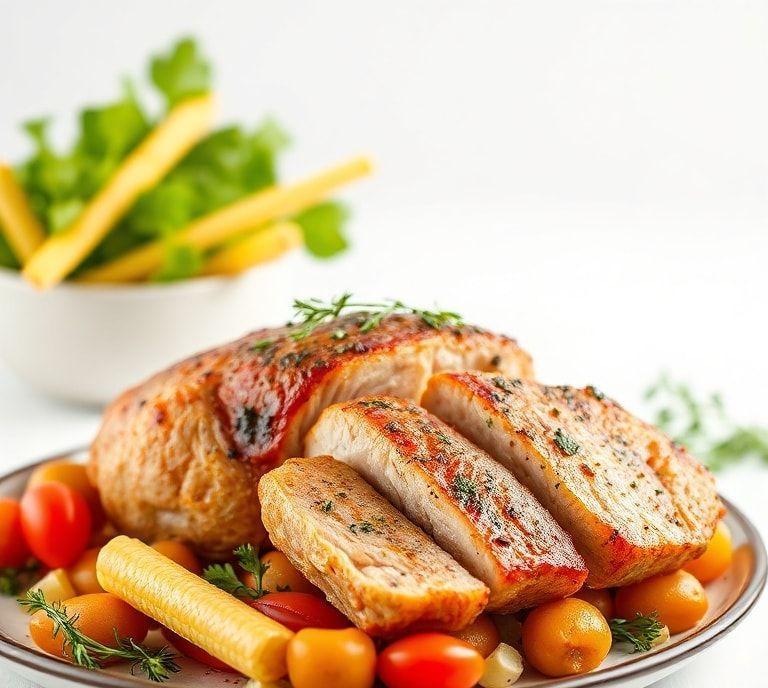
This vegetarian turkey is an artful combination of plant-based ingredients that mimic the texture and flavors of turkey in a surprisingly authentic way. Think of it as a savory loaf stuffed with umami goodness, herbs, and a burst of flavors that transform the usual suspects of plant proteins into something totally unique. It’s hearty, satisfying, and can even stand up to a bit of gravy and cranberry sauce.
Ingredients Needed
The base of this vegetarian turkey is mostly made up of protein-packed ingredients like vital wheat gluten and chickpeas, which together create that chewy, meaty texture. Here’s what you’ll need:
- 1 can (15 oz) chickpeas, drained and rinsed (you could use cooked dried chickpeas as well)
- 1 ½ cups vital wheat gluten (the star of the show! It’s what gives this dish its chewy, meat-like texture)
- 1 cup vegetable broth (choose a rich, flavorful one-it’ll help bring everything together)
- ½ cup nutritional yeast (this adds a cheesy, umami flavor)
- ¼ cup olive oil (adds richness and moisture)
- 2 tablespoons soy sauce or tamari (for that deep umami flavor)
- 1 teaspoon garlic powder
- 1 teaspoon onion powder
- 1 tablespoon dried sage (I love sage for that distinct, earthy flavor that screams ’holiday meal’)
- 1 tablespoon dried thyme
- 1 tablespoon ground flaxseeds (acts as an egg replacer)
- ¼ cup water (to activate the flax)
- 2 tablespoons maple syrup (adds a subtle sweetness)
- Fresh ground black pepper, to taste
For the stuffing, I suggest a simple mixture of:
- 2 cups cubed bread (day-old bread works best!)
- 1 cup sautéed onions and celery
- ½ cup vegetable broth
- 1 tablespoon sage
- 1 tablespoon thyme
- Salt and pepper, to taste
Cooking Instructions
Making this vegetarian turkey involves a few distinct steps, but don’t be intimidated. Once everything’s prepped, it’s surprisingly simple.
- Prepare the Flax Egg: In a small bowl, mix the ground flaxseed with water and let it sit for about 5 minutes to thicken. This will give the dish a bit of binding action, much like eggs would in a traditional turkey.
- Make the Chickpea Mixture: In a food processor, pulse the chickpeas until mostly mashed but still slightly chunky. You want some texture here-don’t go for a puree! Add the flax mixture, vegetable broth, olive oil, soy sauce, nutritional yeast, and all the spices. Process again until everything is well combined.
- Add Vital Wheat Gluten: Transfer the chickpea mixture to a large bowl, and stir in the vital wheat gluten. It’ll look a bit like a dough at this point. Knead the mixture in the bowl for about 5 minutes, until it’s firm and elastic.
- Shape the ’Turkey’: Turn the dough out onto a sheet of parchment paper. Shape it into a rough log (this will be your ’turkey’). You can either go traditional and tie the ends of the parchment like a bonbon or leave it open at the ends. If you’re adding stuffing, spread the dough out into a rectangle, place the stuffing in the center, and roll it up like a log.
- Steam the Turkey: Wrap the dough in foil (or leave the ends open if you prefer the crispy edges) and steam it for 1 hour. It might look a little unassuming at this point, but the magic happens when the wheat gluten firms up and turns into that signature meat-like texture.
- Optional – Roasting for Color: After steaming, you can roast your vegetarian turkey at 375°F (190°C) for 20 minutes to give it a golden, slightly crispy outer layer. Brush it with a little olive oil or vegetable butter for extra richness.
- Rest and Serve: Let the turkey rest for 10 minutes before slicing. This helps everything firm up and makes it easier to slice.
Ingredient Science Spotlight
The science behind this vegetarian turkey is fascinating-especially the use of vital wheat gluten. Vital wheat gluten is made from the protein in wheat, and it’s essentially the stuff that gives bread its chewy texture. When mixed with water, it forms a stretchy, elastic dough. This elasticity is key to creating that meaty, firm texture we associate with turkey. It acts almost like the muscle fibers in real meat, giving this vegetarian version its hearty bite.
Nutritional yeast is another ingredient that deserves a spotlight. It’s often used in vegan cooking for its cheesy, umami flavor. It’s packed with B vitamins, which not only add depth of flavor but also contribute to the overall richness of the dish. The combination of these ingredients creates something that feels like turkey but is entirely plant-based. Fascinating, right?
Expert Tips
- Don’t Skip the Steaming: Steaming the ’turkey’ rather than just baking it ensures that the vital wheat gluten firms up slowly and keeps the texture moist and tender. Skipping this step could result in a rubbery texture.
- Rest Before Slicing: Allow the vegetarian turkey to rest after cooking-this allows the flavors to meld together and the texture to firm up, making it easier to slice without it falling apart.
- Make It Ahead: You can make the vegetarian turkey a day or two in advance and store it in the fridge. This actually helps the flavors deepen, and it’s a great way to take some stress off your holiday cooking day.
Recipe Variations
- Herbed Vegetarian Turkey: If you love fresh herbs, feel free to swap out dried thyme and sage for fresh ones. A handful of finely chopped rosemary or tarragon would also be fantastic.
- Stuffed ’Turkey’: For a more traditional approach, fill the inside of the dough with your favorite stuffing recipe. I love a simple mix of sautéed vegetables and herbs, but adding nuts or dried fruit can add texture and sweetness.
- Smoky Vegetarian Turkey: If you want to add a bit of smoky flavor to your dish, try adding a few teaspoons of smoked paprika or liquid smoke to the chickpea mixture.
Final Words
Creating a vegetarian turkey has been a journey of trial and error, but it’s been incredibly rewarding. I’ve found that the key to success lies in the balance of flavor, texture, and the right cooking techniques. Whether you’re fully plant-based or just looking for a meatless holiday option, this vegetarian turkey will stand tall on your table.
FAQs
What Is A Vegetarian Turkey Recipe Made From?
A vegetarian turkey recipe is typically made using plant-based ingredients such as tofu, seitan, tempeh, or a mixture of vegetables, grains, and legumes. These ingredients are seasoned and shaped to resemble the texture and taste of traditional turkey, offering a cruelty-free alternative for those who follow vegetarian or vegan diets.
Can I Use A Store-bought Vegetarian Substitute For A Turkey In My Recipe?
Yes, you can use store-bought vegetarian substitutes like plant-based turkey products, which are often made from soy, wheat gluten, or pea protein. These products are pre-seasoned and shaped to mimic turkey, making them a convenient option for those who prefer a quick and easy preparation.
How Do I Ensure The Vegetarian Turkey Stays Moist During Cooking?
To keep a vegetarian turkey moist, it is essential to use a mixture of ingredients that provide moisture, such as vegetable broth, olive oil, or vegan butter. Basting the vegetarian turkey during the cooking process can also help retain moisture. Additionally, wrapping the dish in foil during roasting and then unwrapping it towards the end can allow it to cook thoroughly while preserving juiciness.