
Winter melon, also known as Benincasa hispida, is a versatile and slightly underrated vegetable in many cuisines. It’s often found in East and Southeast Asian kitchens, but it deserves a spot in every home kitchen, especially if you’re looking to embrace a more plant-based diet or explore new flavors. Despite its name, the winter melon isn’t actually a melon at all; it’s a gourd, with a mild taste that absorbs flavors beautifully. I first encountered winter melon when I visited a local market during a trip to Taiwan. There, the stalls were piled high with these large, green, cylindrical vegetables, and I was curious to know how they could be used.
I was lucky enough to be invited into a friend’s home, where we made a comforting, warming winter melon soup. That meal left such a mark on me-there’s something incredibly soothing about its subtle, slightly sweet taste that blends so well with savory broths and spices. Since then, I’ve been experimenting with it in various dishes, but my favorite version is a simple vegetarian stir-fry that really lets the vegetable shine. It’s light, but rich in flavor, and so satisfying.
If you’ve never worked with winter melon before, don’t worry. It’s incredibly easy to cook, and its mildness means you can get creative with the seasonings and ingredients. In today’s recipe, I’m sharing a winter melon vegetarian stir-fry that has become a staple in my kitchen. Whether you’re a seasoned home cook or a beginner, this recipe will make you look at winter melon in a whole new light.
Winter Melon Vegetarian Recipe
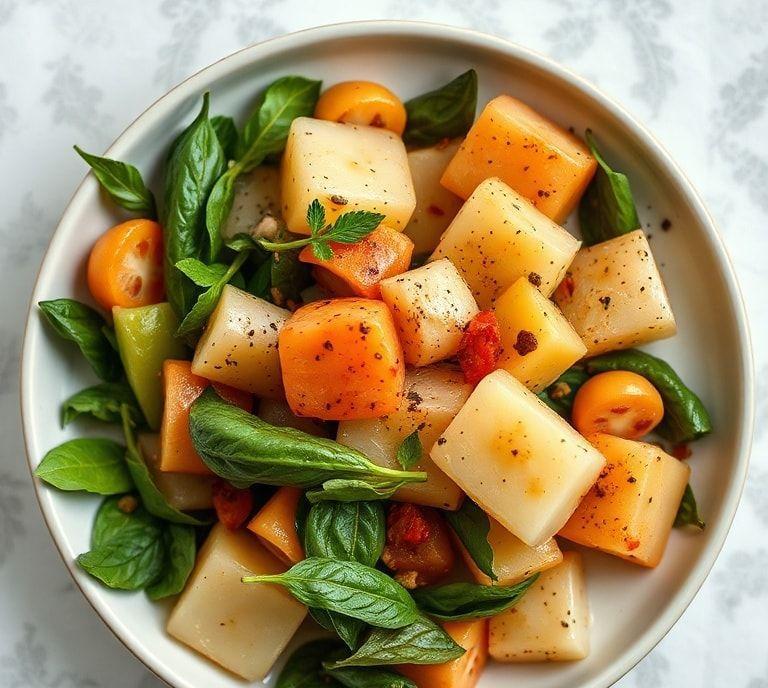
This winter melon stir-fry recipe is simple yet flavorful. It’s packed with nutrients, and the best part is that the winter melon takes on the flavors you cook it with, giving it a beautiful depth. What’s so satisfying about this dish is how fresh, crisp, and light the melon stays, even as it absorbs the savory sauce.
Ingredients Needed
- 1 medium-sized winter melon (around 2-3 lbs)
- 1 tablespoon vegetable oil (I like using sesame oil for its depth of flavor)
- 2 cloves garlic, minced
- 1 small onion, thinly sliced
- 1 red bell pepper, sliced
- 1 cup mushrooms (shiitake or button mushrooms work well)
- 2 tablespoons soy sauce (or tamari for a gluten-free version)
- 1 tablespoon rice vinegar
- 1 teaspoon sugar (helps balance out the flavors)
- 1/2 teaspoon chili flakes (optional, but it adds a lovely kick)
- 1 tablespoon toasted sesame seeds (optional, for garnish)
- Fresh cilantro (for garnish)
This recipe is extremely flexible, so feel free to add in any vegetables you like. Carrots, zucchini, or even some leafy greens like spinach can work wonderfully. The beauty of this dish is that the winter melon acts as the perfect canvas for any flavor you choose.
Cooking Instructions
- Prepare the Winter Melon: Begin by peeling the winter melon with a sharp knife. The outer skin is quite thick, so be sure to remove all of it. Once peeled, cut the melon in half and remove the seeds with a spoon. Cut the melon into thin slices or half-moon shapes, about 1/4 inch thick. Set aside.
- Sauté the Aromatics: Heat the vegetable oil (or sesame oil) in a large skillet or wok over medium-high heat. Once the oil is hot, add the minced garlic and sliced onion. Sauté them for 1-2 minutes until fragrant, being careful not to burn the garlic.
- Cook the Vegetables: Add the sliced bell pepper and mushrooms to the pan. Cook for about 4-5 minutes, stirring occasionally, until the vegetables start to soften and release their juices.
- Add the Winter Melon: Toss in the sliced winter melon. Stir everything together to ensure the melon is coated in the oil and aromatics. Let it cook for about 5 minutes, stirring occasionally, until the melon starts to soften but still holds its shape.
- Season the Stir-Fry: In a small bowl, mix together the soy sauce, rice vinegar, sugar, and chili flakes. Pour the sauce over the vegetables, stirring gently to combine. Let the stir-fry cook for another 5 minutes, allowing the sauce to reduce slightly and coat the veggies.
- Final Touches: Once the winter melon is tender but still crisp, and the sauce has thickened slightly, remove the pan from heat. Sprinkle the stir-fry with toasted sesame seeds and fresh cilantro for a burst of freshness and crunch.
Serve this dish as a side or over rice for a complete meal. The balance of savory, sweet, and a touch of heat is what makes it so comforting.
Ingredient Science Spotlight
Winter melon might not be the first vegetable you think of when you’re looking for nutrient-packed ingredients, but it actually has some fantastic benefits. Here’s the science behind why it should be a regular on your grocery list:
- Low Calorie, High in Water Content: Winter melon is mostly water-about 96%. This makes it incredibly hydrating, and it’s a great option for people looking to keep their calorie intake low while still feeling full.
- Rich in Vitamin C: This unassuming vegetable is a great source of Vitamin C, which helps boost the immune system and promotes skin health.
- Digestive Health: Winter melon contains a good amount of fiber, making it excellent for digestive health. The fiber aids in maintaining regular bowel movements and supports overall gut health.
- Antioxidants: It’s also rich in antioxidants, which help protect the body from oxidative stress. These compounds can have anti-inflammatory effects and support healthy aging.
- Cooling Effect: In traditional Chinese medicine, winter melon is considered a “cooling” food, meaning it’s thought to help clear heat from the body and promote a sense of balance, especially during hot weather.
Expert Tips
- Don’t Overcook: One of the biggest mistakes people make with winter melon is overcooking it. If you cook it too long, it can become mushy and lose its refreshing texture. Aim for a slightly crisp bite, even when fully cooked.
- Balance Flavors: The key to a great stir-fry is balancing salty, sweet, and sour. Taste your sauce as you go, adjusting it to your preference. If it’s too salty, add a touch more sugar or vinegar. If it’s too sweet, add a bit more soy sauce.
- Pre-slice for Easy Prep: Winter melon can be tough to slice through, especially if you’re using a larger one. Cut it into manageable pieces first, and then peel it. This will save you some effort and reduce any waste.
- Use High Heat: Stir-fries work best with high heat, so be sure your pan or wok is pre-heated before adding ingredients. This helps get that perfect sear on your veggies.
Recipe Variations
If you’re craving something different, here are a few variations of this stir-fry that you can try:
- Add Protein: If you want to make this dish more substantial, add tofu, tempeh, or seitan for a plant-based protein. For a non-vegetarian version, you can add sliced chicken or shrimp.
- Spicy Szechuan Style: Add a couple of tablespoons of Szechuan peppercorns and a spoonful of chili paste to the stir-fry for a spicy, numbing effect. It adds a bold, exciting twist.
- Coconut Curry: For a creamy variation, swap the soy sauce and vinegar for coconut milk, curry powder, and a bit of lime juice. This gives the stir-fry a rich, tropical flavor.
- Add More Veggies: Winter melon pairs well with a variety of other vegetables. Try adding some baby corn, bamboo shoots, or water chestnuts for added texture and flavor.
Final Words
Cooking with winter melon might seem like a bit of an adventure at first, especially if you’ve never worked with it before, but once you get the hang of it, you’ll be hooked. It’s such a flexible vegetable that works in so many contexts. Whether you’re making a light stir-fry, a hearty soup, or even a refreshing salad, winter melon’s delicate flavor and crisp texture will always find a way to shine.
This vegetarian stir-fry, while simple, is the perfect example of how understated ingredients can come together to create something greater than the sum of its parts. It’s quick, healthy, and satisfying-plus, it’ll make your kitchen smell incredible. I always find that recipes like this one, where I get to experiment with simple, fresh ingredients, are the ones I come back to time and time again. I hope you’ll do the same.
FAQs
What Is A Winter Melon And How Is It Used In Vegetarian Recipes?
Winter melon, also known as white gourd or ash gourd, is a large, mild-flavored melon commonly used in Asian cuisine. It has a smooth, greenish-white skin and is often used in savory dishes, soups, and stews. In vegetarian recipes, winter melon absorbs the flavors of the ingredients it is cooked with, making it a versatile addition to vegetarian broths, stir-fries, and stuffed dishes.
What Are Some Easy Vegetarian Winter Melon Recipe Ideas?
Some easy vegetarian winter melon recipes include: 1) Winter melon soup with tofu and mushrooms, a light yet flavorful broth-based dish. 2) Stir-fried winter melon with garlic and soy sauce, a simple and quick side dish. 3) Winter melon curry, where the melon is cooked with curry spices, coconut milk, and vegetables. These dishes highlight the melon’s ability to absorb flavors while providing a refreshing texture.
Can Winter Melon Be Used In Salads Or Raw Dishes?
While winter melon is typically cooked, it can also be used raw in salads. The melon’s mild and slightly crunchy texture makes it a great addition to refreshing salads, especially when paired with ingredients like cucumbers, tomatoes, and fresh herbs. To use raw winter melon, peel and slice it thinly, removing the seeds, and toss it with your favorite dressing for a light, hydrating dish.