Imagine a bustling street in Bangkok, the air thick with the rich aromas of sizzling stir-fry. Vendors weave between crowds, their woks glowing with heat as they toss fresh ingredients in a flurry of motion. In the midst of all this chaos, there’s one dish that stands out: Pad Thai. A harmonious blend of savory, sweet, sour, and salty flavors, it’s a dish that has made its way from the streets of Thailand to kitchens around the world.
Now, picture taking that iconic dish and giving it a modern, plant-based twist. That’s where this Vegetarian Pad Thai with Tofu comes in. It’s the perfect balance of authenticity and innovation, capturing all the flavors you love, with a nourishing, vegetarian approach. Whether you’re a long-time Pad Thai enthusiast or someone just beginning to explore Thai cuisine, this dish promises to deliver on flavor and satisfaction, without the need for meat.
So, let’s talk about how you can recreate this delicious, wholesome meal right in your own kitchen.
Vegetarian Pad Thai With Tofu Recipe
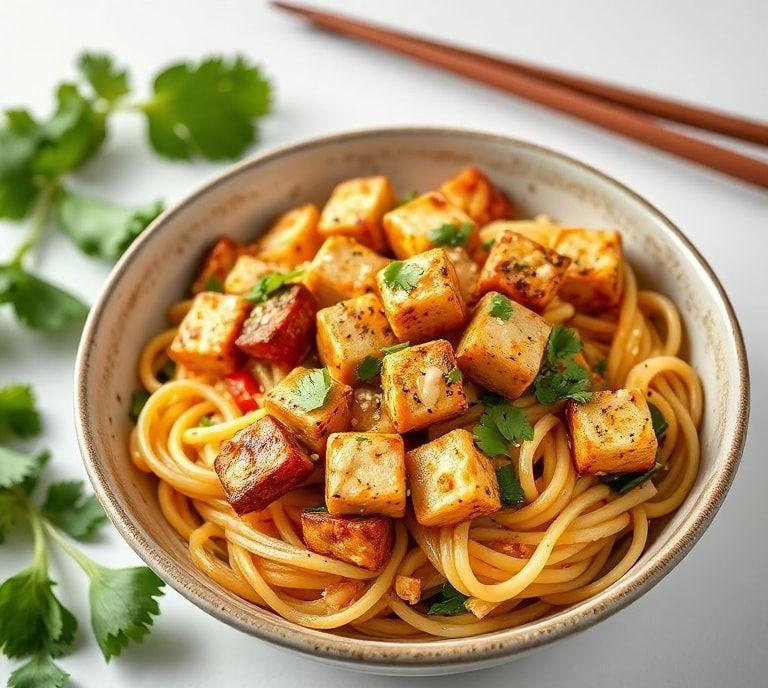
This recipe was born out of my own love for Pad Thai and a desire to eat a bit more plant-based without compromising on taste. I’ve tried and tested countless versions over the years, and this one really hits the mark every single time. The tofu adds a rich, slightly crispy texture, while the noodles soak up the incredible sauce, making every bite a perfect balance of flavor.
Ingredients Needed
To make a vibrant and satisfying vegetarian Pad Thai with tofu, here’s what you’ll need:
- Tofu: Firm tofu works best for this recipe, as it holds its shape and crisps up nicely when cooked.
- Rice Noodles: The classic base for Pad Thai. You’ll find these in most grocery stores, typically in the Asian section.
- Peanuts: Crushed, for that crunchy topping that gives the dish its signature texture.
- Vegetables: Bell peppers, carrots, and green onions add freshness and a bit of crunch.
- Egg (optional): If you’re not vegan, a scrambled egg brings richness and binds everything together. You can skip this if you prefer to keep it fully plant-based.
- Soy Sauce: For the salty umami flavor that forms the backbone of the sauce.
- Tamarind Paste: The secret ingredient for that tangy, slightly sweet kick. This is what makes Pad Thai, Pad Thai.
- Lime: For a zesty finish that brightens up the dish.
- Brown Sugar: To balance the sourness of the tamarind and the saltiness of the soy sauce.
- Garlic: A must for flavor depth.
- Chili Flakes: If you like a little heat (or a lot), these are your friend.
- Vegetable Oil: For cooking the tofu and stir-frying the ingredients.
Cooking Instructions
- Prepare the noodles: Start by soaking your rice noodles in hot water for about 5-7 minutes or according to the package instructions. They should be tender but still firm to the bite. Drain them and set aside.
- Cook the tofu: While the noodles are soaking, press the tofu to remove excess moisture (wrap it in a clean kitchen towel and press with something heavy, like a cast-iron skillet, for 10-15 minutes). Once pressed, cut the tofu into bite-sized cubes. Heat some vegetable oil in a large skillet or wok over medium-high heat. Add the tofu and cook until golden and crispy on all sides, about 10 minutes. Once done, remove it from the pan and set aside.
- Prepare the sauce: In a small bowl, whisk together the soy sauce, tamarind paste, brown sugar, and chili flakes. Taste the sauce and adjust the sweetness, saltiness, or spiciness to your liking.
- Stir-fry the vegetables: In the same pan you cooked the tofu in, add a little more oil. Toss in the garlic and stir-fry for about 30 seconds until fragrant. Add the carrots, bell peppers, and green onions, cooking for about 2-3 minutes until they begin to soften but still retain some crunch.
- Combine it all: Add the drained noodles to the pan with the vegetables. Pour in the sauce and toss everything together until well combined. If you’re using an egg, you can scramble it in the pan at this point and mix it in.
- Serve: Serve the Pad Thai hot, topped with the crispy tofu, crushed peanuts, fresh lime wedges, and extra green onions. A little extra chili flakes never hurt if you like some spice!
Ingredient Science Spotlight: The Power Of Tofu
Tofu often gets a bad rap as a bland, texture-less ingredient, but when done right, it’s a game-changer. The magic of tofu lies in its ability to soak up flavors like a sponge. It’s made from soybeans, and depending on how it’s processed, it can have a range of textures from soft to firm. For Pad Thai, we use firm tofu, which has enough structure to hold up during stir-frying and absorbs the sauce while still holding its shape.
When pressed, tofu releases excess moisture, allowing it to crisp up beautifully in the pan. This texture is key for achieving the contrast between the tender noodles and the crispy, protein-packed tofu. Plus, tofu is a great source of plant-based protein and is rich in calcium, making it a nutritious alternative to meat.
Expert Tips
- Press your tofu: Don’t skip this step! The more moisture you remove, the crispier the tofu will be. Pressing tofu for 10-15 minutes is worth it, trust me.
- Customize the heat: Add more or less chili flakes depending on how spicy you like your food. You can also add fresh chili if you want even more kick.
- Use fresh tamarind paste: While tamarind concentrate works in a pinch, using fresh tamarind paste gives the dish a depth of flavor that really shines through.
- Don’t overcook the noodles: Rice noodles are delicate and can turn mushy if overcooked. Keep a close eye on them and make sure they’re still a bit firm when you add them to the pan.
Recipe Variations
If you’re looking to switch things up or have some dietary restrictions, there are a few tweaks you can make:
- Vegan Pad Thai: Skip the egg entirely and make sure your soy sauce is labeled vegan.
- Add more veggies: Feel free to experiment with other vegetables like broccoli, mushrooms, or snap peas for more color and texture.
- Peanut-Free Option: If you have a peanut allergy, you can swap the crushed peanuts for roasted sunflower seeds or even cashews for a different flavor and crunch.
- Protein Boost: Add tempeh, seitan, or chickpeas for a protein-packed twist on the tofu version.
Final Words
The beauty of Vegetarian Pad Thai with Tofu is that it’s a dish you can truly make your own. Whether you’re looking to stick to the traditional flavors or play around with different variations, this recipe offers flexibility while still keeping that authentic Pad Thai taste. And the best part? It comes together in under 30 minutes, making it an ideal weeknight meal that’s both healthy and satisfying.
FAQs
What Ingredients Are Needed To Make Vegetarian Pad Thai With Tofu?
To make vegetarian pad thai with tofu, you’ll need the following ingredients: rice noodles, firm tofu, vegetable oil, garlic, eggs (optional for a non-vegan version), green onions, carrots, bean sprouts, peanuts, lime, soy sauce, tamarind paste, brown sugar, rice vinegar, and chili flakes. You can also include cilantro and sesame oil for extra flavor.
How Do I Cook The Tofu For Vegetarian Pad Thai?
To cook tofu for vegetarian pad thai, first press the tofu to remove excess moisture. Then, cut it into cubes. Heat vegetable oil in a pan over medium heat and fry the tofu cubes until they are golden and crispy on all sides. Remove the tofu from the pan and set it aside. This will give the tofu a nice texture and flavor that complements the dish.
Can I Substitute The Tamarind Paste In Vegetarian Pad Thai With Tofu?
Yes, you can substitute tamarind paste with other ingredients if it’s unavailable. A common substitute is a mixture of lime juice and brown sugar to replicate the tangy-sweet balance of tamarind. You can also use rice vinegar with a pinch of sugar as an alternative. However, keep in mind that tamarind adds a distinct flavor, so the substitution may slightly alter the overall taste.