There’s something about mixing ingredients in a pot, especially when it’s simple yet fulfilling, that brings out a feeling of warmth and comfort. I think it’s the act of cooking itself-gathering fresh ingredients, allowing them to merge and cook together, creating a dish that’s more than the sum of its parts. That’s exactly how I feel about this mixed beans vegetarian recipe. It’s hearty, versatile, and filled with flavor-everything a good meal should be.
I first came across this recipe years ago during a summer when I was trying to eat more plant-based meals. After experimenting with a lot of different combinations, I stumbled upon the magic of mixing beans. What began as an innocent experiment evolved into a staple in my kitchen. It’s one of those dishes that you can whip up without thinking too much, and yet, it always tastes like something you’ve spent hours crafting.
The beauty of this recipe is in its simplicity and flexibility. You can use it as a base for countless variations, making it easy to adapt to different tastes, dietary needs, or what you happen to have lying around in your pantry. Let’s dive into how to make it, what makes it special, and a few little tricks I’ve learned along the way to make it even better.
Mixed Beans Vegetarian Recipe
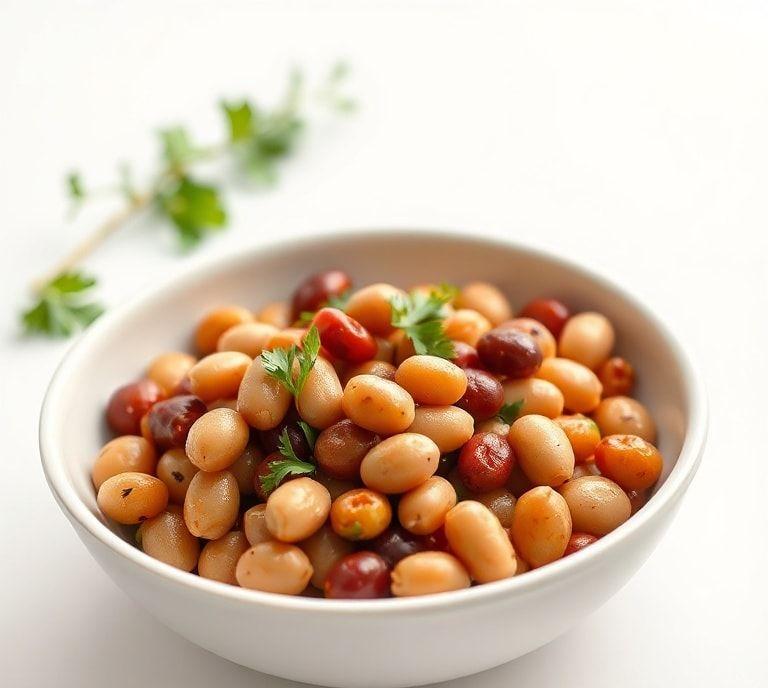
This recipe is all about balance-combining a variety of beans, each with its unique flavor and texture, then layering in fresh vegetables and spices. It’s a dish that can serve as a main course or a side, depending on your needs. It’s naturally vegetarian and easily adaptable to vegan or gluten-free diets with just a few tweaks. What I love most about it, though, is how satisfying it is. It’s hearty without being heavy, and it feels like a true meal even though it’s made from humble ingredients.
The idea behind the recipe is simple: mix together different types of beans, some veggies, and a mix of seasonings that make it pop. There’s no need for anything fancy, just good quality ingredients and a little bit of patience. Over time, I’ve learned to perfect the seasoning to a level where each bite is an absolute delight.
Ingredients Needed
Here’s what you’ll need to get started. While the exact beans and veggies can be tweaked depending on your preferences or what’s in your pantry, this list provides a great base.
- 1 cup kidney beans (canned or dried, soaked)
- 1 cup black beans (canned or dried, soaked)
- 1 cup chickpeas (canned or dried, soaked)
- 1 medium onion (finely chopped)
- 2 cloves garlic (minced)
- 1 bell pepper (diced)
- 1 zucchini (diced)
- 2 medium tomatoes (chopped)
- 1/2 cup corn kernels (fresh or frozen)
- 2 tablespoons olive oil
- 1 teaspoon cumin
- 1 teaspoon paprika
- 1 teaspoon ground coriander
- 1/2 teaspoon chili powder (optional, for a kick)
- 1 teaspoon turmeric (for color and health benefits)
- Salt and pepper (to taste)
- Fresh cilantro (for garnish)
- Lime wedges (optional, for serving)
The beans can be canned for convenience, or you can use dried beans-just make sure to soak them for several hours or overnight if you’re using dried.
Cooking Instructions
-
Prepare The Beans
If you’re using dried beans, the first step is soaking them overnight in water. The next day, drain and rinse them before cooking. To cook them, just simmer the beans in fresh water for about an hour until tender. If you’re using canned beans, rinse them well to remove any excess salt or preservatives.
-
Sauté The Vegetables
Heat the olive oil in a large pot or skillet over medium heat. Add the chopped onions and garlic, cooking them for about 3-4 minutes, until they become fragrant and translucent. This step adds depth to the flavor base of the dish. Once the onions and garlic are softened, add in the bell pepper, zucchini, and corn. Cook for another 5-7 minutes, stirring occasionally, until the veggies begin to soften.
-
Add The Tomatoes And Spices
Add the chopped tomatoes to the skillet along with the cumin, paprika, coriander, turmeric, chili powder (if using), and a pinch of salt and pepper. Stir everything together, allowing the tomatoes to break down and release their juices. Let it simmer for about 10 minutes. This step is crucial, as the spices meld together with the veggies, forming a flavorful sauce.
-
Combine The Beans And Simmer
Now it’s time to add the beans. Stir the cooked (or canned) beans into the vegetable mix. Add a splash of water or vegetable broth if the mixture looks too dry. Let everything simmer together for 10-15 minutes, allowing the flavors to blend and the beans to heat through.
-
Final Touches
Once everything is nice and hot, taste for seasoning and adjust as necessary with salt, pepper, or extra spices. Serve the mixed beans with a sprinkle of fresh cilantro and a squeeze of lime on top. It’s that simple!
Ingredient Science Spotlight
Each of these ingredients brings something unique to the table, not only in terms of flavor but also in terms of nutrition and health benefits. Here’s a little breakdown of the science behind a few key ingredients:
- Beans: Rich in plant-based protein, beans are a powerhouse of nutrients. They provide fiber, which helps with digestion and stabilizes blood sugar levels. Kidney beans, black beans, and chickpeas are all great sources of essential vitamins and minerals, including iron, magnesium, and folate. They are also excellent for heart health and reducing cholesterol levels.
- Olive Oil: A key source of healthy fats, olive oil is packed with antioxidants that promote cardiovascular health. The monounsaturated fats in olive oil help to reduce inflammation, making it a healthy addition to any meal.
- Turmeric: Known for its bright yellow color, turmeric contains curcumin, a compound that has powerful anti-inflammatory and antioxidant effects. It’s been linked to improved brain function and may help reduce the risk of chronic diseases.
- Corn: Although it’s often seen as a simple carb, corn actually provides a decent amount of fiber, vitamins, and minerals. It’s particularly high in antioxidants, which help combat oxidative stress in the body.
Expert Tips
- Don’t Skip the Soak: If you’re using dried beans, soaking them overnight is essential. It cuts down on cooking time and helps reduce the compounds that can cause digestive discomfort.
- Flavor Layering: When making this dish, feel free to experiment with layering flavors. If you have access to fresh herbs like thyme or oregano, add them to the sautéed vegetables for extra depth.
- Make it Ahead: This dish tastes even better the next day. The flavors really meld together, making it perfect for meal prep. Just store it in an airtight container in the fridge for up to 3 days.
- Top It Off: Don’t be afraid to get creative with toppings. A dollop of sour cream, a handful of avocado slices, or a sprinkle of cheese (if you’re not strictly vegan) can elevate this dish.
- Make It Spicy (or Not): If you like heat, add some chopped fresh chili or a dash of hot sauce during the simmering stage. You can also adjust the chili powder to your taste.
Recipe Variations
- Vegan Version: Swap out any dairy-based toppings like cheese or sour cream for dairy-free alternatives, or simply skip them. You won’t miss them-this dish has enough flavor on its own!
- Mexican Twist: Add a cup of salsa to the mix during the simmering stage. You can also top the beans with crumbled tortilla chips for an added crunch.
- Spicy and Sweet: Add a handful of diced pineapple or a spoonful of honey if you want to balance the heat with a touch of sweetness.
- Quinoa or Rice Base: Serve the mixed beans over quinoa, rice, or even cauliflower rice for added texture and bulk. It’s a great way to turn it into a full meal.
Final Words
What I love most about this mixed beans vegetarian recipe is its versatility. It’s one of those meals that you can tweak and make your own based on what you have in your kitchen, and it’s nearly impossible to mess it up. Whether you’re cooking for yourself or serving a crowd, this dish is guaranteed to be a crowd-pleaser.
I often find myself making it on weekends when I want something hearty but easy to prepare. It’s the kind of dish that fills the house with that comforting, warm aroma as it simmers on the stove, and the leftovers are even better the next day. So, I highly recommend giving this recipe a try-you might just find that it becomes a staple in your own kitchen too.
FAQs
What Are The Best Types Of Beans To Use In A Mixed Beans Vegetarian Recipe?
For a balanced flavor and texture, commonly used beans include kidney beans, black beans, chickpeas, and cannellini beans. These beans offer a mix of creaminess and firmness that holds up well during cooking. You can also add lentils or navy beans for extra protein and variety. Using a combination of canned and dried beans (properly soaked and cooked) can optimize both convenience and taste.
How Can I Make A Mixed Beans Vegetarian Recipe More Flavorful?
To enhance flavor, start by sautéing aromatics such as onions, garlic, and bell peppers. Incorporate spices like cumin, paprika, chili powder, or turmeric, depending on your taste preference. Adding fresh herbs like cilantro or parsley at the end brightens the dish. Using vegetable broth instead of water for cooking the beans and a splash of acid like lemon juice or vinegar can also elevate the overall flavor.
Can I Prepare A Mixed Beans Vegetarian Recipe In Advance And Store It?
Yes, mixed beans vegetarian recipes store well. Once cooked, allow the dish to cool completely and transfer it to an airtight container. It can be refrigerated for up to 4-5 days. For longer storage, freeze in portions for up to 3 months. Reheat gently on the stovetop or microwave, adding a little water or broth if the beans have absorbed too much liquid.