There’s something undeniably comforting about lasagna, especially when it’s a twist on the traditional. When you think of lasagna, the first thing that likely pops into your mind is a rich, meaty, red sauce-packed dish. But let’s take a step into a different kind of culinary magic, where layers of creamy, velvety white sauce replace the tomato-based sauce and vegetables take the spotlight instead of meat. This vegetarian lasagna with white sauce is like a warm hug on a plate-something that feels both familiar and new at the same time.
I first came across this version of lasagna when I was looking for a hearty yet lighter alternative for a family gathering. Everyone loves the classic, but I was craving something that could balance indulgence with a little more freshness. After a couple of tries and some tweaks, I was able to perfect a recipe that made everyone around the table ask for seconds-and even thirds.
What’s beautiful about this dish is how it offers all the richness of traditional lasagna, but with a different approach. There’s something about the creamy white sauce-made with a combination of cheeses, butter, and sometimes a touch of garlic-that balances out the tender pasta and roasted vegetables. It’s satisfying but not too heavy, and every bite feels like a celebration of flavor.
Vegetarian Lasagna With White Sauce Recipe
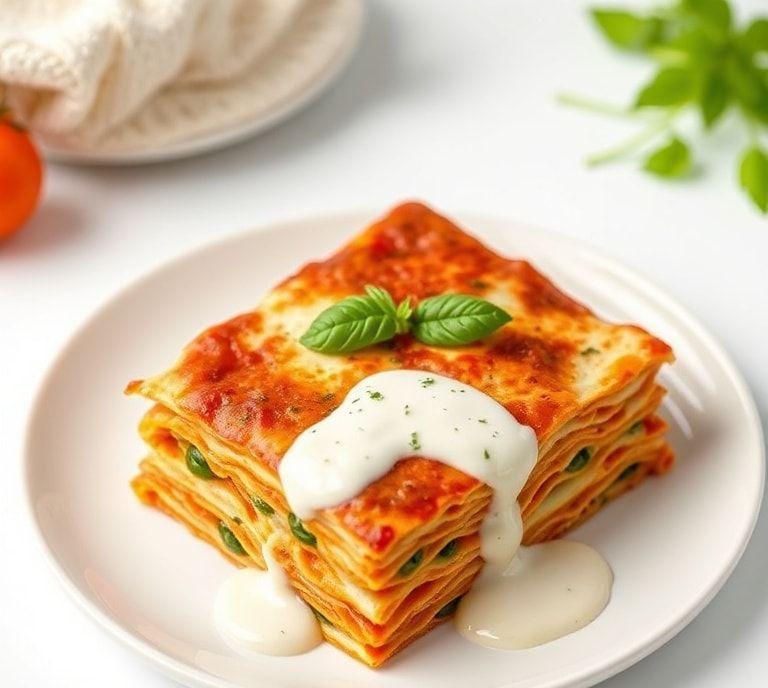
I’m not going to lie-this recipe does take a little time, but trust me, it’s worth every minute. Whether you’re making it for a Sunday dinner, a special occasion, or just a comforting weeknight meal, this dish is bound to impress.
Ingredients Needed
For the lasagna:
- Lasagna noodles: 12 sheets (preferably no-boil, but regular works fine too)
- Spinach: 3 cups, fresh (you can use frozen if that’s what you’ve got)
- Zucchini: 1 medium, thinly sliced
- Mushrooms: 1 cup, sliced (cremini or button)
- Ricotta cheese: 1 ½ cups
- Mozzarella cheese: 2 cups, shredded
- Parmesan cheese: ½ cup, grated
- Fresh basil: A handful, chopped
- Olive oil: For sautéing
- Salt and pepper: To taste
For the white sauce (béchamel):
- Butter: 4 tbsp
- All-purpose flour: 4 tbsp
- Milk: 4 cups (whole milk is the creamiest, but any milk works)
- Nutmeg: A pinch (this is a game-changer in white sauce)
- Garlic: 2 cloves, minced
- Salt and pepper: To taste
Cooking Instructions
- Preheat the oven to 375°F (190°C).
- Prepare the vegetables: Heat a tablespoon of olive oil in a large skillet over medium heat. Add the mushrooms and zucchini and sauté until they’re tender, about 5-7 minutes. Add the spinach at the end and cook until wilted, then remove from heat and set aside.
- Cook the noodles: If using regular lasagna noodles, cook them according to the package directions. Drain them and set aside. If using no-boil noodles, skip this step!
- Make the béchamel sauce: In a saucepan, melt the butter over medium heat. Stir in the flour and cook for about 1-2 minutes, stirring constantly (this helps cook out the raw flour taste). Slowly whisk in the milk, adding it in a little at a time to avoid lumps. Bring the mixture to a gentle simmer, stirring often, until the sauce thickens, about 5-8 minutes. Add garlic, a pinch of nutmeg, salt, and pepper. Taste and adjust seasonings if needed.
- Assemble the lasagna: Start with a thin layer of white sauce at the bottom of your baking dish. Add a layer of lasagna noodles, followed by a portion of the sautéed vegetables, a few spoonfuls of ricotta, and a sprinkle of mozzarella and Parmesan. Pour a little more white sauce over the top. Repeat the layers, finishing with a generous amount of mozzarella and Parmesan on top.
- Bake: Cover the dish with aluminum foil (to prevent the cheese from burning) and bake for about 25 minutes. Then, remove the foil and bake for another 10 minutes, or until the top is golden and bubbly.
- Let it rest: After you take the lasagna out of the oven, let it sit for about 10 minutes before slicing. This allows the layers to set and makes it easier to serve.
Ingredient Science Spotlight
Let’s take a moment to appreciate the magic happening in your lasagna’s layers.
- Ricotta cheese: This creamy cheese is a key player in keeping the lasagna filling light yet indulgent. Ricotta has a high moisture content, which helps maintain the overall creaminess of the dish while not making it overly rich or heavy.
- Béchamel sauce: This white sauce is all about the balance of fat, starch, and liquid. The butter provides richness, while the flour creates the structure and thickening base. When you add milk, the sauce becomes silky smooth, coating the pasta and veggies in a luxurious, velvety layer. The hint of nutmeg is what really elevates this sauce, adding an aromatic complexity that ties all the flavors together.
- Spinach: Packed with iron, vitamins, and antioxidants, spinach not only adds a burst of color but also a nutritional boost. The quick sautéing process helps retain its vibrant color and freshness without overcooking.
- Mozzarella and Parmesan: These two cheeses work in harmony, with mozzarella melting beautifully into the layers and Parmesan bringing that deep, umami-packed flavor that makes every bite memorable.
Expert Tips
- Layering technique: When assembling your lasagna, make sure to spread the ingredients evenly across each layer. This ensures that each bite has a good balance of cheese, vegetables, and pasta.
- Resting the lasagna: As tempting as it is to dive right into a fresh-out-of-the-oven lasagna, letting it rest for about 10 minutes helps everything settle and hold its shape. You’ll get cleaner slices and better flavor.
- Use fresh herbs: Fresh basil adds a burst of freshness to the dish. If you don’t have basil, thyme or oregano would be great substitutes.
- Make ahead: This lasagna actually tastes better the next day! If you have the time, you can prepare it in advance and refrigerate it before baking. This allows the flavors to meld together even more.
Recipe Variations
- Add different vegetables: This recipe is versatile, and you can swap in other veggies like roasted bell peppers, eggplant, or even carrots for a sweeter flavor. If you’re a fan of butternut squash, try roasting some cubes and adding them in-it brings a lovely sweetness that contrasts perfectly with the creamy sauce.
- Make it dairy-free: If you’re looking for a dairy-free version, swap out the cheeses for plant-based alternatives. For the white sauce, use a dairy-free butter and plant-based milk, like oat or almond milk.
- Add a protein: While this is a vegetarian lasagna, you could easily add a plant-based protein like lentils or chickpeas. These would add texture and heartiness without compromising the flavor.
Final Words
This vegetarian lasagna with white sauce is a meal that hits all the right notes. It’s comforting yet light, indulgent yet fresh, and offers a great way to showcase vegetables in a way that feels truly special. Whether you’re hosting a dinner party or just looking to treat yourself to a meal that’s both satisfying and a little bit fancy, this recipe won’t disappoint.
FAQs
What Vegetables Can I Include In Vegetarian Lasagna With White Sauce?
You can include a variety of vegetables in a vegetarian lasagna with white sauce. Common choices are spinach, zucchini, mushrooms, bell peppers, onions, and eggplant. You can also add carrots, broccoli, or even roasted butternut squash for added flavor and texture. Ensure that the vegetables are cooked or sautéed to reduce excess moisture, preventing the lasagna from becoming soggy.
Can I Make The White Sauce Ahead Of Time For The Lasagna?
Yes, you can make the white sauce ahead of time. Prepare the sauce, allow it to cool to room temperature, then store it in an airtight container in the refrigerator for up to 2-3 days. When ready to assemble the lasagna, simply reheat the sauce on the stove over low heat while stirring occasionally. If the sauce has thickened too much, you can thin it out with a splash of milk or vegetable broth.
Can I Use Gluten-free Pasta For This Vegetarian Lasagna Recipe?
Yes, you can substitute gluten-free lasagna noodles for regular pasta. Many gluten-free lasagna noodles are available in stores made from rice flour, corn, or quinoa. Be sure to follow the cooking instructions on the package, as gluten-free noodles sometimes require a slightly different cooking time or method. It’s also a good idea to check for any other hidden gluten ingredients in your white sauce and vegetable fillings if you’re preparing the dish for someone with gluten intolerance.