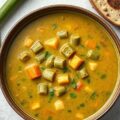
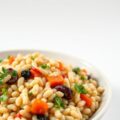
When I think about food that’s both simple and satisfying, bulgur immediately comes to mind. It’s one of those unassuming pantry staples that can easily be overlooked, but it holds so much potential. A quick stir-fry, a hearty pilaf, or even a salad-it can transform into something completely different with just a few tweaks.
I remember the first time I tasted bulgur, it was at a small Middle Eastern restaurant in the city. I was unfamiliar with it, but one bite of their bulgur pilaf and I was hooked. It had this delightful chewy texture, almost nutty, with just the right balance of savory and herby flavors. That moment sparked my curiosity about bulgur, and over time, I learned that it’s not just delicious but also incredibly versatile.
If you’ve never tried it, or if you’re looking for new ways to use it in your meals, this bulgur vegetarian recipe is a perfect introduction. It’s one of those dishes that can be made in a pinch, but it still feels thoughtful. It’s nutritious, full of flavor, and with just a few ingredients, you can create a dish that’s hearty and fulfilling.
Bulgur Vegetarian Recipe
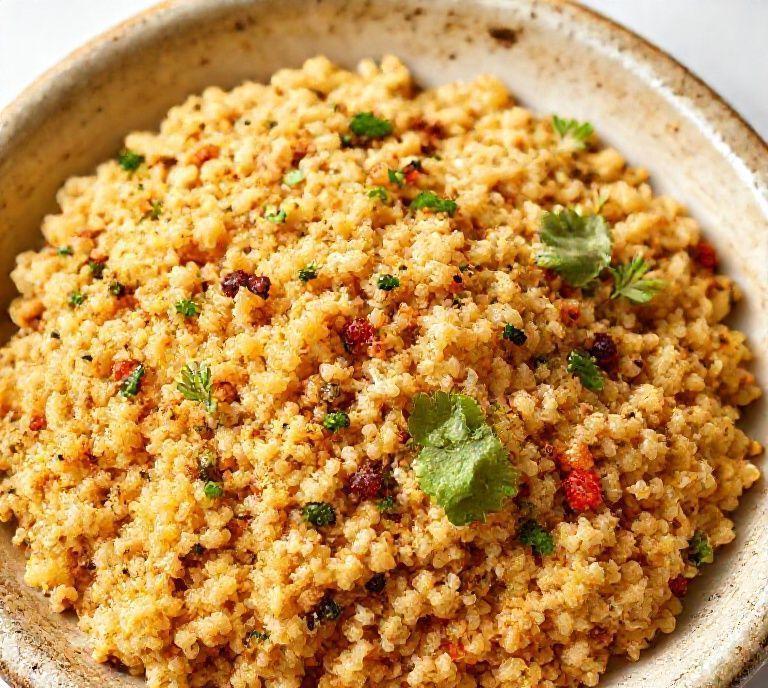
This bulgur recipe is my go-to for a quick, satisfying meal. The beauty of bulgur lies in its ability to soak up flavors, while retaining a chewy texture that makes it feel like a more substantial meal compared to rice or couscous. This dish is a medley of vegetables-perfect for anyone looking to add more plant-based meals to their diet, or simply wanting a lighter, yet still satisfying, dinner.
I love how this recipe gives you a balanced mix of textures. The bulgur is tender but slightly firm, the tomatoes add a juicy burst, the onions give it a sharp bite, and the herbs bring everything together with a fragrant freshness.
Ingredients Needed
Here’s what you’ll need for this vegetarian bulgur dish:
- Bulgur Wheat – 1 cup (you can use fine or coarse bulgur depending on your preference)
- Olive Oil – 2 tablespoons
- Red Onion – 1 medium, finely chopped
- Garlic Cloves – 3, minced
- Tomatoes – 2 medium, diced
- Zucchini – 1, diced
- Bell Pepper – 1, diced (I prefer red for its sweetness)
- Fresh Parsley – 1/2 cup, chopped
- Lemon – 1, juiced and zested
- Vegetable Broth – 2 cups (for a more intense flavor, though water works just as well)
- Salt & Pepper – to taste
- Optional: Pine Nuts or Almonds – for a bit of crunch
Cooking Instructions
The beauty of bulgur is its quick cooking time, so this recipe comes together in no time.
- Prepare the Bulgur: In a medium saucepan, bring the vegetable broth (or water) to a boil. Once it’s boiling, stir in the bulgur, turn off the heat, and cover the pot. Let it sit for about 10-12 minutes, or until the bulgur has absorbed all the liquid and is tender. Fluff it with a fork to separate the grains and set aside.
- Sauté the Vegetables: While the bulgur is cooking, heat olive oil in a large skillet over medium heat. Add the chopped red onion and sauté for about 2 minutes until it softens. Add the minced garlic and cook for another 30 seconds until fragrant.
- Add the Rest of the Vegetables: Toss in the diced tomatoes, zucchini, and bell pepper. Season with salt and pepper, and sauté for about 5-7 minutes, until the vegetables are tender but still have a little bite to them.
- Combine: Once the vegetables are ready, stir in the cooked bulgur, chopped parsley, lemon juice, and lemon zest. Taste and adjust seasoning with salt and pepper as needed.
- Optional Crunch: If you like a bit of extra texture, toast some pine nuts or slivered almonds in a dry pan for 2-3 minutes and sprinkle them over the dish right before serving.
Ingredient Science Spotlight
Bulgur is one of those ingredients that’s as nutritious as it is versatile. It’s made from whole wheat kernels that have been cracked and partially cooked, which makes it quick to prepare and easy to digest. One of the best things about bulgur is its high fiber content, which helps with digestion and keeps you feeling full longer. It’s also a great source of protein for a plant-based meal, providing about 5 grams of protein per cup.
Tomatoes are another ingredient that shines here. They’re not just delicious, but they also pack a punch when it comes to antioxidants-especially lycopene, which is thought to have protective qualities for the heart. The addition of zucchini and bell peppers brings in a variety of vitamins and minerals, making this dish an all-around nutritional powerhouse.
And let’s not forget about parsley-it’s more than just a garnish. Packed with vitamins A, C, and K, it adds a fresh, herbaceous note to the dish, and also supports your immune system.
Expert Tips
- Don’t Overcook the Bulgur: While bulgur cooks quickly, you want to make sure it doesn’t turn mushy. The best way to prevent this is to use the right amount of liquid and let it sit undisturbed. Fluffing it gently with a fork helps prevent clumping.
- Customize Your Veggies: This recipe is a fantastic base, but you can swap in any vegetables you have on hand. Try adding eggplant, mushrooms, or spinach for extra flavor. The more variety you add, the more interesting the textures and flavors will become.
- Flavor Boosts: To add a little more depth, consider adding a pinch of cumin, smoked paprika, or even a dash of chili flakes for heat. These spices will enhance the Mediterranean flavors and give your dish a unique twist.
Recipe Variations
- Add Protein: If you want to make this a more filling meal, you could stir in cooked chickpeas, lentils, or even top it with crumbled feta cheese or goat cheese for added richness. Tofu or tempeh would also make great plant-based protein options.
- Bulgur Salad: For a refreshing twist, let the bulgur cool after cooking, then toss with the sautéed vegetables, some fresh cucumber, and a handful of Kalamata olives. Dress it with olive oil, lemon juice, and a bit of vinegar for a light Mediterranean-inspired salad.
- Roast the Veggies: If you’re craving a bit more caramelization, roast your vegetables in the oven instead of sautéing them. Toss the diced veggies with a little olive oil, salt, and pepper, and roast at 400°F for about 20 minutes before combining them with the bulgur. This will give your dish a deeper, more intense flavor.
Final Words
Bulgur is one of those ingredients that flies under the radar, but when you start cooking with it, you realize how much potential it has. It’s satisfying without being heavy, and it pairs beautifully with almost anything. Plus, it’s one of those ingredients that you can prep ahead of time, which is a lifesaver on busy days when you need a healthy meal in a hurry.
FAQs
What Are Some Popular Bulgur Vegetarian Recipes?
Popular bulgur vegetarian recipes include bulgur salad with vegetables, bulgur and chickpea stew, bulgur stuffed peppers, and bulgur pilaf with roasted vegetables. These recipes are simple to prepare and can be customized with your favorite vegetables, herbs, and seasonings. Bulgur can also be used as a base for grain bowls or mixed into soups and stews for added texture and nutrition.
Is Bulgur A Good Option For A Vegetarian Diet?
Yes, bulgur is an excellent choice for a vegetarian diet. It is a whole grain that is high in fiber, protein, and essential nutrients like iron and magnesium. Bulgur can be a filling and nutritious addition to salads, soups, and main dishes, helping to provide sustained energy and promote digestive health. It’s also naturally low in fat and calories, making it a healthy and versatile ingredient.
How Do You Cook Bulgur For A Vegetarian Recipe?
To cook bulgur, simply combine it with boiling water or vegetable broth in a ratio of 1:2 (1 cup of bulgur to 2 cups of liquid). Cover the mixture and let it sit for about 10 to 15 minutes, or until the bulgur has absorbed the liquid and softened. Fluff the cooked bulgur with a fork before using it in your vegetarian recipe. For savory dishes, using vegetable broth instead of water will add extra flavor to the bulgur.