There’s something magical about cooking French food. The rich history, the deep flavors, the meticulous techniques-everything feels elevated. But let’s be real: sometimes we just want the essence of French cuisine without needing to master every culinary term in the dictionary. I can still remember the first time I tried a vegetarian French dish. It was a small bistro in Paris, tucked away in a side street near Montmartre. The waiters spoke in hushed tones, and there was an overwhelming sense of quiet sophistication. When my dish arrived, it was like an art piece-simple but refined, bright yet comforting. I ordered a vegetarian French recipe-a delicate mix of seasonal vegetables, herbs, and a rich, buttery sauce that danced on my tongue. It wasn’t overcomplicated. It was perfect. And from that moment, I knew I had to try making it myself.
This recipe is my take on a classic French dish, designed to bring those refined, rustic flavors into your home without the intimidation factor. Let’s dive into how you can recreate this in your own kitchen.
Vegetarian French Recipe
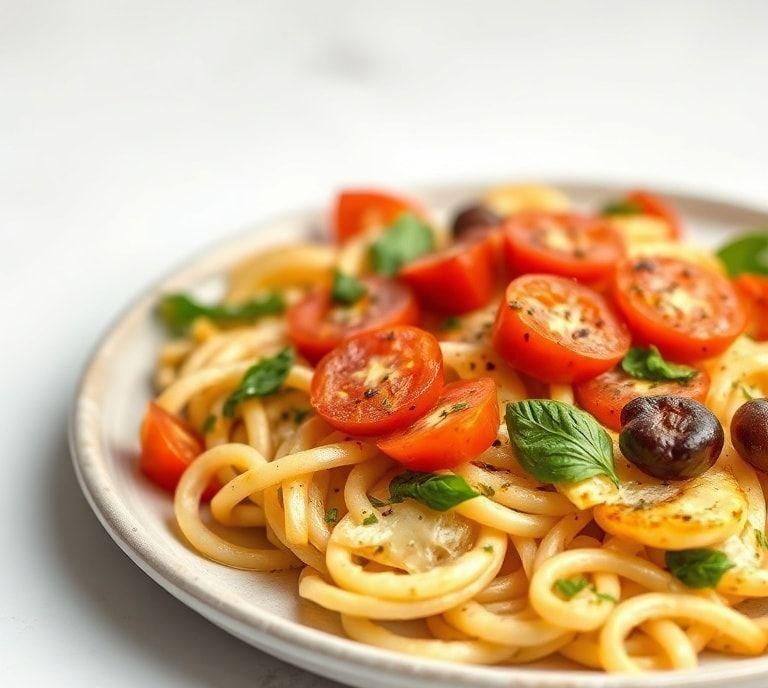
Let’s break it down with something that has all the heart of French cuisine, but without any meat: Ratatouille. Yes, the one made famous by the animated film, but trust me, it’s not just for the screen. This dish combines the best of summer vegetables-eggplant, zucchini, tomatoes, and peppers-tossed in a blend of olive oil, garlic, and fresh herbs. It’s a celebration of vegetables, and when you get it right, it has the depth of flavor that could easily pass for a restaurant-quality dish. The best part? It’s easy, and if you’re using seasonal produce, it’s incredibly fresh.
Ingredients Needed
Here’s what you’ll need for this simple but flavorful Ratatouille:
- 1 medium eggplant: It’s the base for the dish, providing that soft, almost meaty texture once cooked.
- 2 zucchinis: They add a light, fresh crunch and complement the softness of the eggplant.
- 1 red bell pepper: For a pop of color and sweetness that balances the savory ingredients.
- 1 yellow bell pepper: For extra flavor complexity.
- 4 medium tomatoes: Choose ripe, juicy ones for that bright, tangy flavor. If you can get heirlooms, even better.
- 1 onion: A key aromatic that brings all the vegetables together.
- 3 cloves garlic: Fresh garlic adds that signature French scent and flavor.
- 2 tbsp olive oil: To help the vegetables soften and bring out the best in them.
- 1 tsp dried thyme: The backbone of any French dish. It gives the recipe that earthy, herby note.
- 1 tsp dried oregano: A touch of Mediterranean warmth.
- Salt and pepper to taste: You know the drill-season to your heart’s content.
Cooking Instructions
Now comes the fun part! Here’s how to bring this dish to life:
- Prepare the vegetables: Begin by washing all the vegetables. Cut the eggplant into half-moon slices (about 1/4 inch thick), and salt them to help draw out any bitterness. Leave them for about 10 minutes, then blot them dry with a paper towel.
- Slice the zucchinis, peppers, and tomatoes: The key here is to aim for uniform slices so that everything cooks evenly. You want everything in roughly the same size-about 1/4-inch thick.
- Sauté the onion and garlic: Heat 1 tbsp of olive oil in a large skillet over medium heat. Add the chopped onion and garlic, sautéing until the onion becomes translucent and the kitchen fills with that unmistakable fragrance. This step is crucial; it’s what starts layering the flavor base.
- Layer the vegetables: Once your onions are softened, layer your prepared vegetables in the skillet. Start with the eggplant, then the zucchini, peppers, and tomatoes. Alternate the layers to create a beautiful spiral pattern, if you’re feeling fancy, or just toss them in randomly for a more rustic approach.
- Add the seasonings: Sprinkle the thyme, oregano, salt, and pepper over the top. Drizzle the remaining olive oil over everything to coat the vegetables.
- Simmer: Cover the skillet and cook on low heat for about 30 minutes. Stir occasionally to prevent anything from burning, but keep the lid on as much as possible to allow the vegetables to steam and soften, absorbing all those wonderful flavors.
- Final touch: Once everything is tender and fragrant, remove from heat and let it sit for a few minutes before serving. The flavors will marry beautifully, and you’ll have a dish that feels like it’s straight out of Provence.
Ingredient Science Spotlight
Let’s take a minute to appreciate what makes this dish so magical. The secret lies in how the ingredients interact. For example, eggplant absorbs the flavors around it. When salted before cooking, it sheds some of its bitter compounds and becomes the perfect sponge for the olive oil, garlic, and herbs. Zucchini, with its high water content, helps keep the dish moist, while peppers provide that sweet, caramelized contrast when sautéed. And let’s not forget tomatoes-when heated, they release their natural sugars, intensifying their flavor and providing a juicy, tangy bite.
On a deeper level, you’re not just cooking vegetables; you’re unlocking their chemical potential. The heat breaks down the cellular structure, making the flavors more intense and easier to digest. Plus, the fat from the olive oil helps your body absorb all the fat-soluble vitamins from the veggies, like vitamin A from the peppers and beta-carotene from the eggplant.
Expert Tips
If you’re ready to elevate your Ratatouille game, here are a few things to keep in mind:
- Use fresh herbs: If you have access to fresh thyme and oregano, definitely use them. They make a world of difference.
- Patience is key: Don’t rush the cooking process. The slower you cook it, the more the flavors have a chance to meld together.
- Go the extra mile with garlic: If you want even more depth, roast the garlic beforehand. It adds a sweeter, almost caramelized undertone to the dish that elevates it.
- Don’t skip the salt: Salting the eggplant at the beginning not only removes bitterness but helps it cook better and absorb the oil.
- Serve it with something hearty: Ratatouille pairs wonderfully with crusty French bread or a simple quinoa pilaf for some added texture.
Recipe Variations
There’s plenty of room to play around with this dish if you want to make it your own:
- Spicy twist: Add a pinch of red pepper flakes or a diced jalapeño to give the dish a little heat.
- Cheese lovers: Top the ratatouille with a generous handful of goat cheese or feta just before serving. The creamy tang of the cheese adds a layer of richness.
- Roasted version: Instead of sautéing, roast the vegetables individually in the oven. This brings out a lovely caramelized flavor.
- Grains and greens: Serve it over a bed of rice, couscous, or even a mix of leafy greens to make it a more filling meal.
Final Words
One of the beautiful things about French cuisine is its approach to simplicity. Ratatouille is a celebration of vegetables, but it’s so much more than just a side dish. It’s a way to slow down, savor the flavors of the season, and connect with something timeless. Plus, it’s easy to make, healthy, and works for nearly any occasion. Whether you’re having a dinner party, a cozy meal for one, or feeding a crowd, this dish fits the bill.
FAQs
What Are Some Traditional Vegetarian French Recipes?
Traditional vegetarian French recipes include Ratatouille, a vegetable stew made with eggplant, zucchini, bell peppers, and tomatoes; Soupe au Pistou, a vegetable soup with basil, garlic, and olive oil; and Quiche Lorraine, which can be adapted by omitting bacon or ham and using vegetables such as mushrooms, spinach, or leeks. Other examples include Gratin Dauphinois (potato gratin) and Tarte Tatin (caramelized vegetable tart).
Can I Make French Recipes Vegetarian Without Losing Authenticity?
Yes, many French recipes can be made vegetarian without sacrificing authenticity. French cuisine often emphasizes fresh, seasonal vegetables, herbs, and cheeses, which can be used to create flavorful dishes. For example, replacing meat with mushrooms or legumes in stews and soups can maintain the depth of flavor. Additionally, many traditional French dishes, like ratatouille, are naturally vegetarian and showcase the country’s rich vegetable-based culinary heritage.
What Are Key Ingredients In A Vegetarian French Diet?
Key ingredients in a vegetarian French diet include a variety of fresh vegetables such as tomatoes, zucchini, eggplant, leeks, and mushrooms; legumes like lentils and chickpeas; and herbs such as thyme, rosemary, basil, and tarragon. French cheeses such as Brie, Gruyère, and goat cheese are also essential in many vegetarian dishes. Olive oil, butter, garlic, and wine are commonly used in French cooking to enhance flavor.