Imagine walking into a cozy kitchen on a crisp fall day. The air smells of simmering vegetables, herbs, and warmth, filling the entire house with that comforting aroma that only a homemade soup can provide. Italian minestrone soup-vegetarian, of course-is one of those dishes that instantly brings to mind images of family gatherings, rustic kitchens in the hills of Tuscany, and long, leisurely meals shared with loved ones. It’s more than just food; it’s a celebration of seasonal produce, a celebration of simplicity, and, above all, a celebration of how something so humble can taste so extraordinary.
Minestrone has a rich history, hailing from Italy and known for its versatility. It’s not a recipe bound by rigid rules but rather an evolving dish that changes based on what’s in season or on hand. Traditionally, it’s a soup that combines a wide variety of vegetables, beans, and pasta or rice, all simmered together with a flavorful broth. But the beauty of minestrone lies in its adaptability-this vegetarian version celebrates the natural flavors of the vegetables, with a savory broth that’s comforting yet light enough for any time of the year.
So, let’s dive into making this easy, healthy, and deeply satisfying bowl of minestrone. It’s a great way to embrace the art of simple cooking, where each ingredient plays a part in building the perfect, balanced flavor. You’ll find that it’s not just a soup-it’s a celebration of the season’s bounty.
Italian Minestrone Soup Vegetarian Recipe
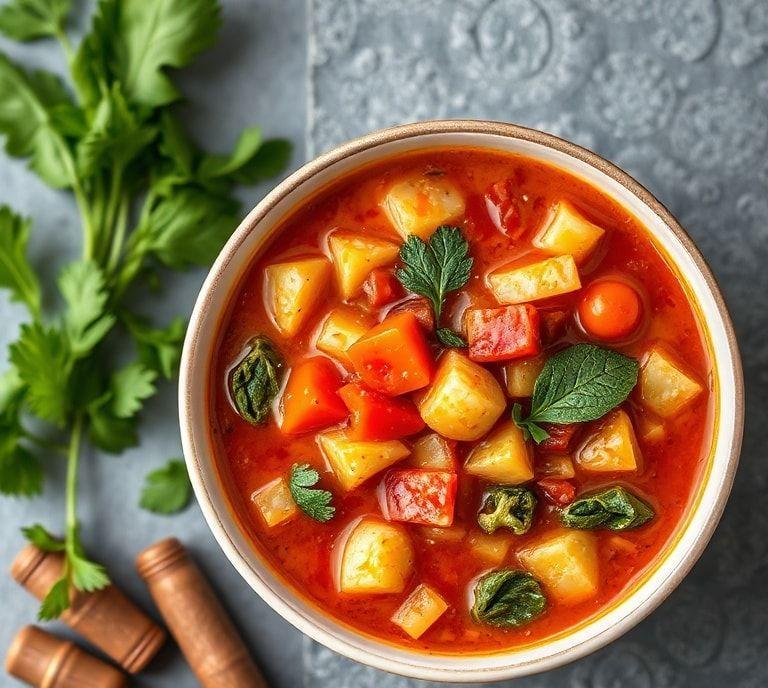
I’ve always felt that the key to a great minestrone is balance-each vegetable, each bite of pasta, each spoonful of broth should feel like it’s working together in harmony. No ingredient should feel too dominant, and nothing should feel too bland. That’s why this vegetarian version is perfect: it allows the vegetables to shine without any meat-heavy flavors overshadowing the freshness.
This recipe will leave you with a hearty soup that’s perfect for a weeknight dinner or a weekend gathering. It’s packed with fiber, protein, and loads of vitamins from the array of fresh vegetables, and the slight tang of tomatoes provides that perfect touch of acidity.
Ingredients Needed
- 2 tablespoons olive oil
- 1 onion, chopped
- 2 carrots, peeled and diced
- 2 celery stalks, diced
- 3 cloves garlic, minced
- 1 zucchini, diced
- 1 cup green beans, chopped
- 1 can (15 oz) diced tomatoes, with juice
- 4 cups vegetable broth (preferably low-sodium)
- 1 can (15 oz) cannellini beans, drained and rinsed
- 1 cup small pasta (such as ditalini or elbow macaroni)
- 1 bay leaf
- 1 teaspoon dried thyme
- 1 teaspoon dried oregano
- Salt and pepper, to taste
- Fresh basil or parsley, chopped (for garnish)
- Parmesan cheese (optional, for serving)
Cooking Instructions
- Prep the Vegetables: Start by getting everything prepped-chop the onion, peel and dice the carrots, trim the green beans, mince the garlic, and slice the zucchini. Having everything ready to go will make cooking go smoothly.
- Saute the Base: In a large pot, heat the olive oil over medium heat. Add the chopped onion and sauté for 2-3 minutes, until it’s translucent and fragrant. Next, add the carrots, celery, and garlic. Stir and cook for another 4-5 minutes, until the vegetables start to soften. This is where the magic begins-the base of your soup is coming together.
- Add the Rest: Toss in the zucchini, green beans, diced tomatoes (with their juice), and the vegetable broth. Stir everything together, bringing it to a gentle simmer.
- Simmer & Season: Add the bay leaf, thyme, oregano, and a pinch of salt and pepper. Let the soup simmer uncovered for 20-25 minutes, or until the vegetables are tender and the flavors have melded together. This is where the soup really begins to take shape.
- Add the Pasta and Beans: Stir in the beans and pasta. Continue simmering until the pasta is cooked, about 10-12 minutes. If you prefer your pasta more al dente, check it at the 8-minute mark. If needed, adjust the seasoning with more salt and pepper.
- Serve: Once the pasta is cooked, remove the bay leaf. Ladle the soup into bowls, garnish with fresh basil or parsley, and, if you like, a generous sprinkle of Parmesan cheese.
- Enjoy: There you have it-a bowl of comforting, nutritious, and utterly delicious minestrone that will leave you feeling warm and satisfied.
Ingredient Science Spotlight
Each ingredient in this soup plays a key role in contributing both flavor and nutritional value, but let’s highlight a few that bring extra depth to the dish.
- Olive Oil: It’s not just for sautéing. Olive oil is packed with monounsaturated fats, which help promote heart health and lower inflammation. It’s also rich in antioxidants, which support overall health.
- Cannellini Beans: These creamy, white beans are a fantastic source of plant-based protein and fiber. They add not only heartiness to the soup but also stabilize blood sugar levels, which makes this dish a great option for sustained energy.
- Zucchini: This mild vegetable provides hydration, as it’s over 90% water. Zucchini also offers a good amount of vitamin C and antioxidants that help fight oxidative stress.
- Tomatoes: Rich in lycopene, an antioxidant that’s linked to reduced risk of chronic diseases, tomatoes add both depth and acidity to the broth, balancing the richness of the olive oil and beans.
Expert Tips
- Do not overcook the vegetables: While it’s tempting to let everything simmer for hours, the best minestrone soups keep the veggies tender but not mushy. Aim for them to retain some texture and bite.
- Add a Parmesan rind: If you happen to have a leftover Parmesan rind (which I always keep in my freezer), throw it into the soup as it simmers. It’ll dissolve into the broth, adding an incredible richness.
- Keep the pasta separate: If you plan to store leftovers, keep the pasta separate from the soup. The pasta will absorb too much liquid and turn mushy if it sits in the broth overnight. It’s better to add fresh pasta to reheated soup.
- Freeze for later: Minestrone is perfect for batch cooking. Let it cool completely before freezing in individual portions. When you’re ready to enjoy, just reheat and you’ll have a delicious meal on hand.
Recipe Variations
The beauty of minestrone is how flexible it is. You can swap in and out ingredients depending on what you have available or what’s in season. Here are some ideas:
- Leafy greens: Adding a handful of spinach, kale, or Swiss chard toward the end of cooking will make your soup even more nutritious.
- Sweet potatoes: For a slightly different flavor and extra sweetness, try swapping the carrots for diced sweet potatoes.
- Other beans: While cannellini beans are classic, you could also use chickpeas, kidney beans, or black beans for variation.
- Herb variations: Instead of thyme and oregano, try rosemary or fresh sage for a different herbal profile.
Final Words
Italian minestrone soup has this timeless, homey quality. It’s the kind of dish that feels like a hug in a bowl, made with care and love, and meant to be shared. Whether you’re sitting down with your family, enjoying a solo dinner, or sharing it with friends over a long chat, there’s something about this soup that just makes everything feel right.
It’s also a reminder that cooking doesn’t need to be complicated to be exceptional. The simplicity of the ingredients, combined with a bit of time and attention, yields something incredibly satisfying. Plus, it’s the perfect way to embrace the changing seasons and all the fresh produce that comes with it.
FAQs
What Are The Essential Ingredients For A Vegetarian Italian Minestrone Soup?
The essential ingredients for a vegetarian Italian minestrone soup include a variety of fresh vegetables such as carrots, celery, onions, zucchini, and tomatoes. You will also need garlic, vegetable broth, olive oil, and herbs like basil, oregano, and thyme. Optional ingredients can include beans (like kidney beans or cannellini beans), pasta, and leafy greens such as spinach or kale.
Can I Make Italian Minestrone Soup Ahead Of Time And Store It?
Yes, Italian minestrone soup can be made ahead of time and stored in the refrigerator for up to 3-4 days. In fact, the flavors often improve after sitting for a day. You can also freeze the soup for up to 3 months. However, if the soup contains pasta, it’s recommended to cook the pasta separately and add it when reheating, as pasta can absorb too much liquid and become mushy over time.
What Variations Can I Make To A Vegetarian Italian Minestrone Soup Recipe?
You can make several variations to a vegetarian Italian minestrone soup depending on your preferences. For instance, you can add different vegetables like green beans, bell peppers, or sweet potatoes for added texture and flavor. If you prefer a thicker soup, you can blend a portion of the soup or add mashed beans. For a more substantial version, add whole grains like quinoa or farro instead of pasta. Additionally, you can adjust the herbs and spices to your liking, such as adding a touch of red pepper flakes for some heat.