Pasta Primavera holds a special place in my heart. It’s the dish I turn to when I want something comforting yet fresh, rich in flavor, and full of vibrant vegetables. It’s one of those meals that can work for every season-whether you’re craving something light in the spring or seeking a burst of color in the winter months. What’s brilliant about Pasta Primavera is that it’s essentially a blank canvas, just waiting for you to get creative with the vegetables you love.
The first time I made Pasta Primavera, I was in college, trying to figure out how to make meals that were both satisfying and not too complicated. I wandered into the kitchen with a few basic ingredients, and before I knew it, I had a dish that felt like it had just come out of a high-end restaurant, all without the fancy ingredients or techniques. The beauty of this recipe lies in its simplicity. It’s a dish that will impress, whether you’re serving it for a weeknight dinner or a weekend gathering.
This vegetarian version is all about fresh, seasonal veggies and a light, flavorful sauce that brings everything together in harmony. So let’s dive into how you can create this delicious, colorful dish at home.
Pasta Primavera Vegetarian Recipe
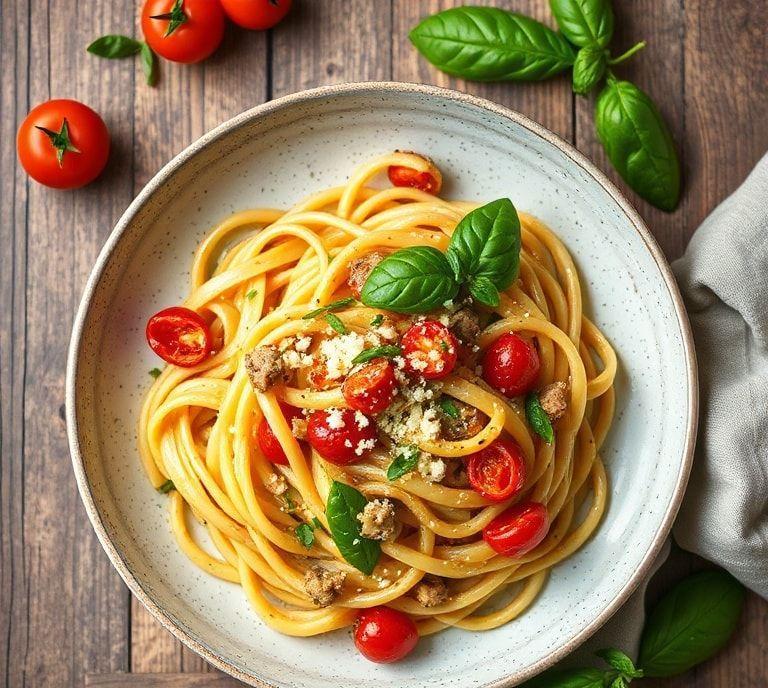
There’s something about a dish that celebrates vegetables in all their colorful glory. This Pasta Primavera recipe is simple but bursting with flavor. The mix of sautéed vegetables combined with pasta creates the perfect balance of texture and taste.
In this version, we’ll use a mix of seasonal vegetables, but feel free to swap or add your favorites. Zucchini, cherry tomatoes, bell peppers, and broccoli are great starting points, but the beauty of this recipe is its versatility. And don’t worry, the sauce is light, not creamy, so you won’t feel weighed down after a meal. Instead, you’ll get a punch of freshness and vibrant flavor with each bite.
Ingredients Needed
The key to Pasta Primavera is to have the freshest vegetables possible. That said, the ingredients are pretty simple. Here’s what you’ll need:
- Pasta: 8 ounces of your favorite pasta-spaghetti, linguine, or even penne all work great. I love using spaghetti because it picks up the sauce so well, but use whatever you have in your pantry.
- Olive Oil: About 3 tablespoons. It’s essential for sautéing your vegetables, plus it adds a wonderful richness to the dish.
- Garlic: 3 cloves, finely minced. Garlic is the flavor base for the dish, so be generous with it. It will fill the air with a lovely aroma as it sautés.
-
Vegetables: Here’s where you can get creative! I typically use:
- 1 zucchini, sliced into half-moons
- 1 bell pepper (red or yellow), sliced thinly
- 1 cup cherry tomatoes, halved
- 1 cup broccoli florets
- 1/2 cup peas (fresh or frozen)
- Fresh Basil: A small handful, chopped. It’s the herb that brightens everything up.
- Parmesan: About 1/2 cup, freshly grated. It adds the right amount of richness and saltiness.
- Salt & Pepper: Season generously to taste. Don’t be shy, especially with the pepper-it’ll bring a subtle heat to the dish.
- Lemon Zest: Just a teaspoon of zest adds a fresh zing that lifts the entire dish.
Cooking Instructions
- Cook the Pasta: Start by boiling a large pot of salted water. Once it’s bubbling away, toss in your pasta and cook according to the package instructions until al dente. Reserve about 1/2 cup of pasta water before draining-it’ll be useful later for the sauce.
- Sauté the Veggies: While the pasta cooks, heat 2 tablespoons of olive oil in a large skillet over medium-high heat. Add the garlic and sauté for about 30 seconds until fragrant-be careful not to burn it. Then, toss in the zucchini, bell pepper, and broccoli. Stir-fry for about 4-5 minutes until they’re just tender but still vibrant.
- Add the Tomatoes and Peas: Next, add the cherry tomatoes and peas. Sauté everything for another 2-3 minutes until the tomatoes start to soften and burst slightly. Add a pinch of salt and pepper as you go.
- Combine Pasta & Veggies: Once the pasta is ready and drained, toss it into the skillet with the vegetables. Add a splash of the reserved pasta water to help everything come together. Stir everything around until the pasta is coated in the olive oil and veggie juices. Taste and adjust the seasoning.
- Finish & Serve: Remove the skillet from the heat and stir in the fresh basil, lemon zest, and grated Parmesan. Serve immediately, topped with a little more Parmesan if you like.
Ingredient Science Spotlight
Let’s talk about why this combination of ingredients works so well. First, olive oil is the fat that helps carry all the flavors of the dish. It’s not just about lubrication; it’s about enhancing the vegetable flavors as they cook. Olive oil also brings healthy fats to the dish, making it feel richer without being overly heavy.
Garlic, being a natural flavor enhancer, infuses the oil with a fragrant base that gives depth to everything it touches. When sautéing garlic in oil, the heat releases sulfur compounds, which create that delicious aroma we associate with the savory notes of garlic.
The vegetables themselves contribute not just color and crunch, but also a range of nutrients. Zucchini is packed with water and keeps things light, while bell peppers bring vitamin C. Tomatoes add antioxidants, and peas bring protein and fiber. Together, they create a satisfying meal without needing heavy sauces or added meats.
And of course, lemon zest-just a tiny bit-brings a burst of freshness that cuts through the richness of the oil and cheese, making the dish feel balanced and lively.
Expert Tips
- Don’t Overcook the Vegetables: The goal is to keep them tender but still crisp. Overcooked vegetables can lose their color and texture, and that’s half the charm of this dish-getting a little bite from each veggie.
- Use High-Quality Olive Oil: Since olive oil is the base of this dish, make sure you’re using a good extra-virgin olive oil. It doesn’t need to be fancy, but you’ll definitely taste the difference.
- Add a Splash of White Wine: If you’re feeling adventurous, deglaze the pan with a splash of white wine after sautéing the vegetables. It’ll add complexity and a slight tanginess to the sauce.
- Don’t Skip the Parmesan: Freshly grated Parmesan adds a layer of saltiness and richness that really pulls everything together. If you have the option, avoid the pre-grated stuff-it won’t give you the same depth of flavor.
Recipe Variations
- Add Protein: If you want a heartier dish, you can add grilled chicken, shrimp, or even sautéed mushrooms. A handful of roasted chickpeas would make a great plant-based option as well.
- Creamy Version: For a slightly richer take, you can toss in a spoonful of ricotta cheese or heavy cream towards the end of cooking for a creamy pasta primavera.
- Different Veggies: Feel free to swap in your favorite vegetables-roasted eggplant, fresh asparagus, or even spinach would work beautifully here. The flexibility is endless.
Final Words
Pasta Primavera is all about enjoying the beauty of fresh, seasonal vegetables in their prime. It’s a dish that lets you be creative with what you have on hand, so don’t feel boxed in by the recipe. Whether you’re a novice cook or a seasoned home chef, you can make this dish your own.
FAQs
What Vegetables Are Typically Used In A Pasta Primavera Vegetarian Recipe?
A pasta primavera vegetarian recipe usually features a variety of fresh, seasonal vegetables. Common choices include bell peppers, zucchini, asparagus, cherry tomatoes, broccoli, peas, and carrots. These vegetables are often lightly sautéed or blanched to retain their texture and vibrant color before being combined with pasta and a light sauce.
What Type Of Pasta Works Best For A Pasta Primavera Vegetarian Recipe?
Medium to long pasta shapes such as fettuccine, linguine, spaghetti, or penne are ideal for a pasta primavera vegetarian recipe. These types of pasta allow the vegetables to mix evenly and provide a good balance of sauce, pasta, and vegetables in every bite. Whole wheat or gluten-free pasta can also be used for dietary preferences.
How Can I Make A Pasta Primavera Vegetarian Recipe Creamy Without Using Dairy?
To make a creamy pasta primavera vegetarian recipe without dairy, you can use plant-based alternatives such as cashew cream, almond milk, coconut milk, or unsweetened soy milk. Blending soaked cashews with a bit of vegetable broth or olive oil creates a rich, creamy sauce. Nutritional yeast can be added to mimic a cheesy flavor while keeping the dish entirely plant-based.