There’s something uniquely satisfying about creating a dish that not only nourishes the body but also sparks joy in the kitchen. I’ve always found that cooking-especially experimenting with lesser-known ingredients-can take you on a journey. It’s like stepping into a world of flavors, history, and textures that you wouldn’t expect to come together so harmoniously.
Take freekeh, for example. It’s one of those grains that doesn’t get the spotlight it deserves, overshadowed by its more popular cousins like quinoa and farro. But freekeh, with its nutty taste and chewy texture, is a hidden gem, particularly in vegetarian dishes. When I first encountered it, I was immediately intrigued by its ancient roots-dating back thousands of years to the Mediterranean and Middle Eastern regions-and its surprisingly versatile nature.
Freekeh is a great alternative to rice or couscous in many dishes, and when paired with a medley of vegetables, herbs, and spices, it turns into something special. Today, I’m going to share one of my go-to recipes: a vibrant freekeh-based vegetarian dish that will not only fill you up but leave you feeling healthy and energized. Let’s dive into the ingredients, techniques, and tips that make this dish a standout.
Freekeh Vegetarian Recipe
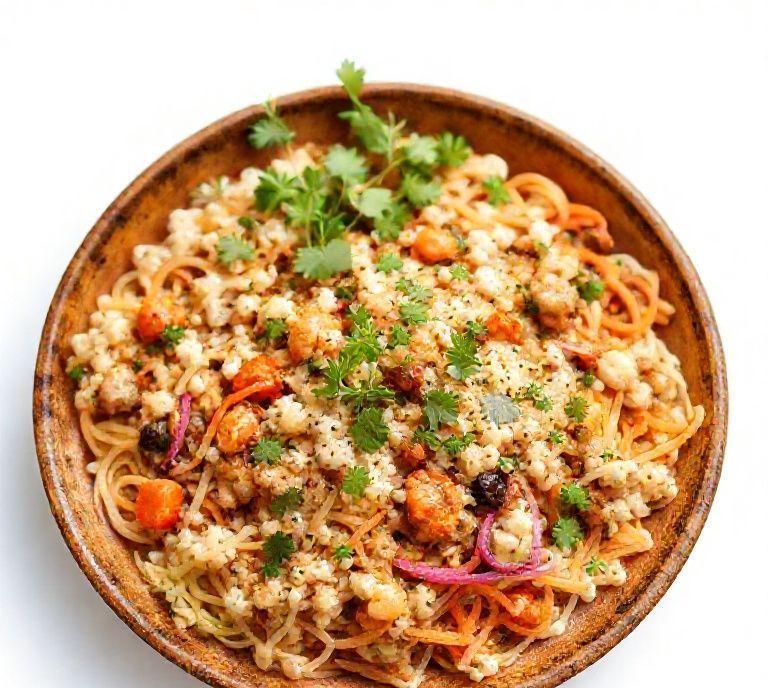
This dish is more than just food-it’s an experience. It’s one of those recipes that feels like a celebration. The combination of freekeh with roasted vegetables, fresh herbs, and a zesty dressing creates a medley of flavors and textures that will make your taste buds dance. Plus, it’s super adaptable, so you can tweak it depending on the season or what’s in your fridge.
Here’s the recipe:
Ingredients Needed
- 1 cup of freekeh (either cracked or whole, depending on preference)
- 2 tablespoons olive oil
- 1 medium zucchini, sliced into rounds
- 1 red bell pepper, sliced into strips
- 1 yellow onion, thinly sliced
- 1 cup cherry tomatoes, halved
- 1 teaspoon ground cumin
- 1 teaspoon ground coriander
- 1/2 teaspoon smoked paprika
- Salt and black pepper, to taste
- Fresh parsley, chopped (about 1/4 cup)
- Fresh mint, chopped (about 1/4 cup)
- Juice of 1 lemon
- 2 tablespoons tahini (for the dressing)
- 1 tablespoon maple syrup (optional, for a hint of sweetness)
- A pinch of chili flakes (optional, for some heat)
Cooking Instructions
- Prepare the Freekeh: Start by cooking the freekeh. If you’re using whole freekeh, it will take a bit longer-about 25-30 minutes to cook-but cracked freekeh cooks much faster (about 15-20 minutes). Rinse the freekeh under cold water to remove any dust. Then, in a medium pot, combine the freekeh with about 2 1/2 cups of water. Bring it to a boil, reduce the heat, and let it simmer for 15-30 minutes, depending on the type of freekeh you’re using. Once it’s tender but still chewy, drain any excess water, fluff it with a fork, and set it aside.
- Roast the Vegetables: Preheat your oven to 400°F (200°C). On a baking sheet, spread out the zucchini, red bell pepper, and onion. Drizzle with olive oil and season with cumin, coriander, smoked paprika, salt, and pepper. Toss everything together, ensuring the vegetables are evenly coated with the spices. Roast in the oven for about 20 minutes or until the vegetables are tender and lightly caramelized.
- Prepare the Dressing: While the freekeh is cooking and the vegetables are roasting, whisk together the tahini, lemon juice, maple syrup (if using), and a pinch of chili flakes in a small bowl. Add water, a little at a time, until the dressing reaches your desired consistency. Taste and adjust seasoning as needed.
- Assemble the Dish: Once the freekeh and roasted vegetables are ready, combine them in a large bowl. Add the halved cherry tomatoes, fresh parsley, and mint. Drizzle the tahini dressing over the top and toss everything gently to combine.
- Serve: This dish can be served warm or at room temperature, making it perfect for meal prep or as a side dish for your next gathering.
Ingredient Science Spotlight
Freekeh, like many ancient grains, is packed with nutrients that not only support overall health but are also surprisingly versatile. What sets freekeh apart from other grains is its high fiber content. Because it’s harvested while still young and then roasted, it retains more fiber than many other grains. This makes it great for digestive health, keeping you feeling fuller for longer, and maintaining steady energy levels throughout the day.
Freekeh also has a relatively low glycemic index compared to rice or pasta, which means it has a gentler effect on blood sugar levels. Plus, it’s a good source of protein and minerals like iron, magnesium, and zinc, which are important for bone health and immune function. So, by using freekeh in this dish, you’re not only getting a great taste but also a nutrition boost.
The roasted vegetables add another layer of nutritional value. Zucchini is rich in antioxidants and water content, while red bell peppers pack a punch of vitamin C, which supports immune health and skin. The tomatoes contribute lycopene, a powerful antioxidant linked to heart health. The combination of all these ingredients makes this dish a true powerhouse of nutrients!
Expert Tips
- Cook Freekeh in Vegetable Broth: For a more flavorful base, cook your freekeh in vegetable broth instead of water. This infuses the grain with savory depth and gives it even more character.
- Make It Ahead: Freekeh tends to absorb flavors well, so this dish makes excellent leftovers. In fact, I find it even tastier the next day when the flavors have had time to meld.
- Experiment with Spices: Feel free to swap out or add different spices. Za’atar, turmeric, or curry powder would all make excellent additions for a slightly different flavor profile.
- Add Some Crunch: If you like a bit of crunch, top this dish with some toasted nuts-like almonds, pine nuts, or walnuts. It adds texture and a nice contrast to the soft freekeh and roasted vegetables.
Recipe Variations
- Add Protein: If you’re craving some protein, you can add chickpeas, feta cheese, or even grilled halloumi to this dish. You could also serve it alongside a plant-based protein, like grilled tempeh or tofu.
- Switch the Veggies: The beauty of this recipe is that it’s incredibly flexible when it comes to vegetables. You can swap the zucchini for eggplant, the red bell pepper for carrots, or throw in some leafy greens like spinach or kale. Depending on the season, you can mix and match to suit your tastes.
- Make It Grain-Free: If you’re following a gluten-free or low-carb diet, you can substitute the freekeh with cauliflower rice or quinoa.
Final Words
Cooking, for me, has always been about more than just the recipe-it’s about how the ingredients come together to create something greater than the sum of their parts. Freekeh is a wonderful reminder that there are always new ingredients and flavors waiting to be explored. Whether you’re already a fan or this is your first time working with freekeh, this dish is a delicious, nutritious way to incorporate it into your meals.
FAQs
What Is Freekeh And How Is It Used In Vegetarian Recipes?
Freekeh is an ancient grain made from green durum wheat that has been harvested while still young, roasted, and then cracked. It has a smoky flavor and a chewy texture. In vegetarian recipes, freekeh can be used as a substitute for rice or couscous in salads, soups, grain bowls, and stir-fries. It is a versatile ingredient that pairs well with vegetables, herbs, and plant-based proteins.
Is Freekeh A Good Source Of Protein For Vegetarians?
Yes, freekeh is an excellent source of plant-based protein, making it a great addition to vegetarian diets. One serving of cooked freekeh (about 1 cup) provides approximately 6 grams of protein. It also contains essential amino acids, making it a valuable protein source for vegetarians who need to meet their daily protein needs.
Can I Make A Simple Freekeh Vegetarian Recipe For A Quick Meal?
Yes, you can prepare a simple freekeh vegetarian recipe in under 30 minutes. A basic recipe involves cooking freekeh with vegetable broth for extra flavor, then tossing it with your choice of sautéed vegetables, such as zucchini, bell peppers, and tomatoes. You can also add chickpeas or roasted nuts for additional protein and texture. Season with olive oil, lemon juice, garlic, and your favorite herbs for a light, nutritious meal.