There’s something incredibly comforting about a bowl of white beans. Whether it’s the texture, the creamy richness, or the way they seem to soak up every bit of flavor they come in contact with, white beans are a kitchen staple that never disappoints. I remember the first time I really paid attention to how simple, yet satisfying, a pot of beans could be. It was a rainy afternoon, and I was looking for a warm, filling meal. I stumbled upon a vegetarian white bean recipe that called for just a few ingredients-nothing fancy-and yet the flavors came together in the most magical way.
That meal stuck with me because it was the epitome of simplicity. No fuss, no complicated techniques, just real ingredients doing what they do best: making a meal feel like home. So, if you’re looking to create a meal that’s not only hearty and wholesome but also packed with flavor, I invite you to try this vegetarian white bean recipe. It’s the kind of dish that makes you think, "Why didn’t I make this sooner?"
Vegetarian White Beans Recipe
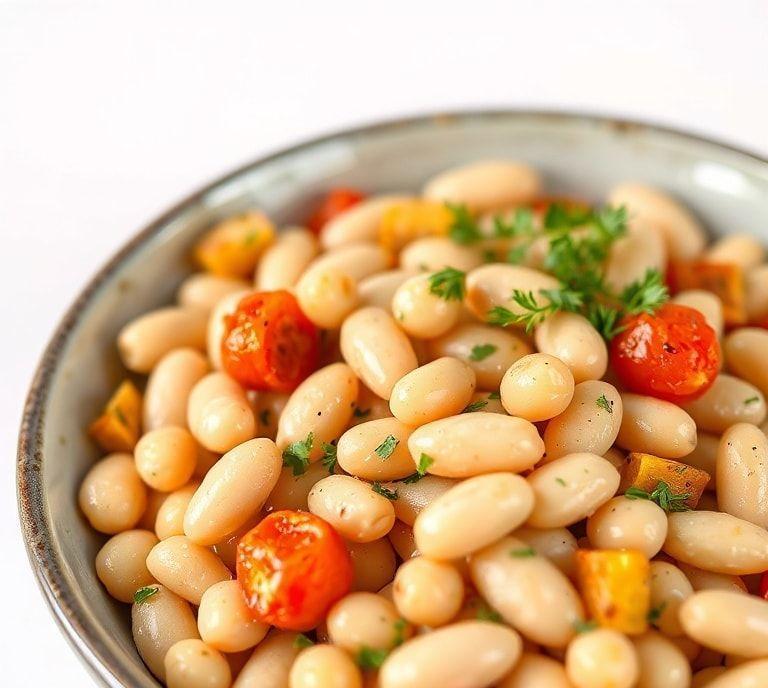
This vegetarian white beans recipe is not just another dish. It’s an invitation to embrace the beauty of simplicity. Perfectly tender beans in a savory, aromatic broth, served up as a meal that’s both nourishing and satisfying. The best part? It’s incredibly versatile, which means you can play around with the ingredients based on what you have on hand.
The recipe I’m sharing with you strikes a balance between being easy to prepare and full of depth. If you’re someone who enjoys experimenting with food, this recipe will welcome any tweaks or additions you want to make. But even without any modifications, it stands on its own as a comforting, healthy meal.
Ingredients Needed
The beauty of this dish lies in its simplicity. Here’s what you’ll need:
- White Beans: The star of the show. I recommend using cannellini beans, great northern beans, or navy beans. They’re creamy, soft, and have that perfect bite when cooked.
- Vegetable Broth: A good-quality vegetable broth gives the dish depth of flavor. Homemade is always the best, but store-bought works just fine too.
- Olive Oil: This adds richness and a subtle, fruity flavor that helps to bring everything together.
- Garlic: Fresh garlic, finely chopped or minced, adds a touch of sharpness and depth.
- Onion: Yellow or white onion works best here. It’s the backbone of the flavor profile.
- Herbs and Spices: I use a combination of bay leaves, thyme, and rosemary. These herbs infuse the beans with flavor while cooking. For an extra touch, I’ll add a sprinkle of red pepper flakes for heat or smoked paprika for a bit of smokiness.
- Lemon Juice: Just a squeeze at the end brightens everything up and balances the earthiness of the beans.
- Salt and Pepper: To taste, obviously! Beans need seasoning, so don’t skimp on this.
Cooking Instructions
- Prepare the Beans: If you’re using dried beans, start by soaking them overnight in plenty of water. If you’re in a pinch, canned beans work too-just make sure to drain and rinse them well to remove excess sodium.
- Sauté the Aromatics: In a large pot, heat the olive oil over medium heat. Add the chopped onion and garlic and sauté for about 5 minutes, or until fragrant and translucent. You’re looking for that delicious, savory smell to start filling the kitchen.
- Add the Beans and Broth: Stir in the soaked or canned beans, followed by the vegetable broth. Add the bay leaves, thyme, and rosemary. Give everything a good stir to combine.
- Simmer: Bring the mixture to a simmer. Cover the pot and let the beans cook for about 45 minutes to an hour, depending on whether you’re using dried or canned beans. You’ll know they’re done when the beans are tender and the broth has reduced slightly, creating a rich, velvety texture.
- Season: Once the beans are tender, taste the broth and adjust the seasoning with salt, pepper, and a splash of lemon juice.
- Serve: Serve your white beans in bowls with a drizzle of extra virgin olive oil on top and perhaps a sprinkle of fresh herbs or a few crumbles of feta cheese if you like.
Ingredient Science Spotlight
White beans are more than just a tasty meal; they’re also a powerhouse of nutrition. These beans are an excellent source of plant-based protein, making them perfect for vegetarians or anyone looking to reduce their meat intake. They’re rich in fiber, which helps with digestion and keeps you feeling full longer. White beans are also a great source of iron, manganese, and B vitamins, which are essential for energy production and overall health.
The beauty of white beans is in their versatility-they absorb the flavors of whatever they’re cooked with, creating a rich, satisfying dish without needing to add excessive amounts of fat or salt. They’re also naturally low in fat, making them a heart-healthy option that can be enjoyed in a variety of cuisines.
And let’s not forget about the vegetable broth. Unlike water, which is simply a neutral base, vegetable broth adds layers of flavor to the beans. The combination of aromatics like onions, garlic, and herbs infuses the beans, making every bite more complex and delicious.
Expert Tips
- Don’t Rush the Cooking: Let the beans simmer low and slow. If you try to cook them too quickly, they won’t soften properly and can take on a grainy texture. Patience is key here.
- Use Fresh Herbs: Fresh herbs really elevate this dish. While dried herbs work in a pinch, fresh rosemary, thyme, and bay leaves will add a depth of flavor that dried versions can’t quite replicate.
- Finishing Touches: A squeeze of fresh lemon juice just before serving can make all the difference. It brightens the dish and balances out the richness of the beans. You can also top it with a handful of fresh spinach for a burst of color and extra nutrients.
- For Extra Creaminess: If you like your beans extra creamy, try blending a portion of them with some of the broth and then adding them back into the pot. This will create a thicker, richer texture without the need for heavy cream.
- Season Gradually: Beans can sometimes be a little bland if you don’t season them properly. Taste as you go! Add salt in stages, allowing the flavors to develop as the beans cook.
Recipe Variations
- Spicy Bean Stew: If you like a little heat, add a diced jalapeño or some crushed red pepper flakes along with the garlic. It’ll give the dish a nice kick without overpowering the other flavors.
- Add Greens: Throw in some kale, spinach, or chard at the end of cooking for a burst of color and nutrition. The greens will wilt nicely into the dish and add texture.
- Add Coconut Milk: For a slightly sweeter, creamier version of the dish, you can swap out some of the vegetable broth for coconut milk. It creates a rich, velvety broth that pairs beautifully with the beans.
- White Bean and Tomato Combo: Adding a can of diced tomatoes halfway through the cooking process creates a tangy, slightly sweet contrast to the creamy beans.
Final Words
This vegetarian white beans recipe isn’t just about what you can put in your pot-it’s about embracing the simplicity of cooking. It’s one of those meals that feels homemade and comforting, yet still allows you to explore and personalize it. Whether you’re craving something light and fresh or hearty and filling, this dish hits the mark every time.
FAQs
What Are Some Common Vegetables To Pair With Vegetarian White Beans?
Common vegetables to pair with vegetarian white beans include carrots, onions, garlic, celery, spinach, kale, and tomatoes. These vegetables add flavor, texture, and nutrition, making the dish hearty and well-balanced.
Can I Use Canned White Beans For A Vegetarian White Beans Recipe?
Yes, canned white beans are a convenient option for a vegetarian white beans recipe. They save time and effort, though it’s important to rinse them well to reduce sodium content. If you prefer, you can use dried white beans that have been soaked and cooked, which offers more control over the flavor and texture.
What Are Some Seasoning Options For Vegetarian White Beans?
Seasoning options for vegetarian white beans include dried or fresh herbs like thyme, rosemary, and bay leaves. You can also use spices such as cumin, paprika, and turmeric for a unique flavor profile. Adding a splash of lemon juice or vinegar at the end enhances the dish with brightness and acidity.