If you’ve ever found yourself craving sushi but wanted to skip the raw fish, a vegetarian California roll is an excellent choice. It’s light, flavorful, and versatile – plus, it has that satisfying crunch and freshness we love from sushi. For me, there’s something special about making sushi at home. It feels like a little celebration in the kitchen, an easy way to bring a taste of Japan to your dining table. When I first ventured into making sushi, I thought I needed a special kind of kitchen wizardry, but all it took was some patience, a few simple ingredients, and a bit of practice.
I’m a big fan of California rolls, especially the vegetarian kind, because they allow for a burst of flavor without the fish. The use of cucumber, avocado, and even sometimes mango, adds a freshness that’s just impossible to beat. And if you’re looking for something satisfying but also on the lighter side, this is the perfect go-to dish. It feels indulgent without being heavy – everything that makes a meal truly enjoyable.
Vegetarian California Roll Recipe
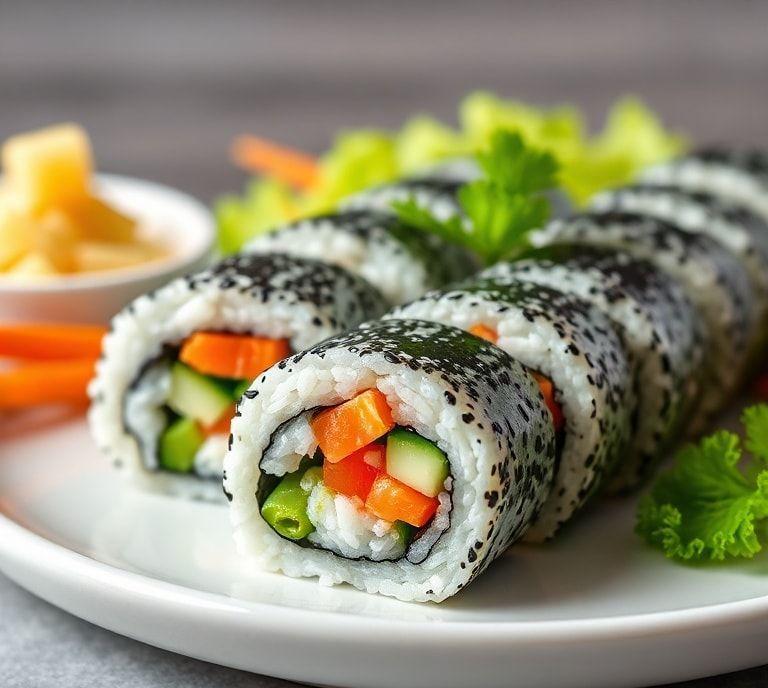
A vegetarian California roll is not just a substitute for the traditional roll; it’s a celebration of fresh ingredients that really shine when combined in perfect harmony. A well-made veggie California roll will give you that same satisfying feeling of rolling your sleeves up in the kitchen and creating something beautiful, yet uncomplicated.
Ingredients Needed
- Sushi rice (2 cups): The foundation of any sushi roll is perfectly sticky rice. It’s a special short-grain rice that sticks together, which is essential for keeping the roll intact.
- Nori sheets (6-8 sheets): Nori is the seaweed that wraps the sushi. It’s essential for both texture and flavor, bringing a slight saltiness and crispy edge to the dish.
- Cucumber (1 medium): Fresh, crunchy cucumber adds a refreshing contrast to the creamy avocado. I love how it provides a natural crispness.
- Avocado (1 large): Ripe, creamy avocado is what gives the California roll its signature smooth texture. It’s not just a filler; it’s the heart of the roll, making every bite satisfying.
- Carrot (1 medium): A little julienned carrot adds some natural sweetness and crunch. It’s not overpowering, but the color contrast gives the roll an inviting look.
- Rice vinegar (2 tbsp): This is used to season the rice. It’s a key element in giving sushi rice that tangy flavor. It’s what takes the dish from ’just rice’ to “wow”.
- Sugar (1 tbsp): To balance out the tanginess of the vinegar, a touch of sugar brings the flavor profile into balance.
- Salt (1/2 tsp): A pinch of salt to round out the seasoning of the rice.
- Sesame seeds (optional, for garnish): Toasted sesame seeds are optional, but they provide a delightful texture and nutty flavor that pairs perfectly with the fresh vegetables.
Cooking Instructions
- Prepare the Rice: Start by rinsing the sushi rice under cold water until the water runs clear. This removes excess starch, which would otherwise make the rice too sticky. Cook the rice according to the package instructions. Once it’s cooked, transfer it to a bowl and gently fold in the rice vinegar, sugar, and salt while it’s still warm. Let it cool to room temperature.
- Prepare the Vegetables: While the rice is cooling, julienne your cucumber and carrot. Slice the avocado into thin strips, making sure it’s ripe enough to be creamy but not too mushy.
- Assemble the Rolls: Place a sheet of nori shiny side down on a bamboo sushi mat (or a clean kitchen towel if you don’t have a mat). Wet your hands with water to prevent the rice from sticking to them. Spread a thin, even layer of sushi rice over the nori, leaving about 1 inch of space at the top edge. Lay the cucumber, avocado, and carrot in a row along the center of the rice.
- Roll It Up: Gently lift the edge of the bamboo mat closest to you and roll the sushi away from you, tucking the ingredients in tightly. Use the mat to help you maintain the roll’s shape as you go. Once the roll is complete, use a sharp knife to slice it into bite-sized pieces.
- Garnish & Serve: If you like, sprinkle toasted sesame seeds over the top for a little crunch. Serve with soy sauce, wasabi, and pickled ginger for an extra burst of flavor.
Ingredient Science Spotlight
Sushi might seem like just a simple combination of rice, seaweed, and fillings, but there’s a lot of science that goes into perfecting the balance of these ingredients. Let’s break down why each one is so essential:
- Sushi Rice: The secret to good sushi rice lies in its starch content. Sushi rice is short-grain rice, which has a higher starch content than long-grain rice. This makes it stickier and better suited to rolling. Rice vinegar is added to the rice to not only flavor it but also to preserve its freshness, since sushi rice tends to dry out quickly.
- Nori: Nori, or seaweed, is packed with nutrients like iodine and vitamins, which makes it more than just a wrapper. It provides that signature briny flavor, balancing the sweetness of the rice and the creaminess of the avocado.
- Avocado: Avocados contain healthy fats, particularly monounsaturated fats, which are great for your heart. Their rich, creamy texture makes them the perfect counterpoint to the crunch of cucumber and carrot, creating a delightful mouthfeel in each bite.
- Cucumber: Cucumbers, with their high water content, add hydration and a crisp texture that balances the creamy avocado. They’re low in calories, so they make the roll feel fresh and light, without being too filling.
Expert Tips
- Don’t Overstuff: It can be tempting to pile the ingredients high, but a little goes a long way. Overstuffing makes it harder to roll and can cause the sushi to fall apart. Less is more.
- Rice Temperature Matters: Make sure the rice is at room temperature before you start rolling. If it’s too hot, it will wilt the nori, and if it’s too cold, it won’t stick properly to the seaweed.
- Sharp Knife: When slicing your rolls, make sure your knife is sharp. A dull knife will crush the roll and squish out the filling. Dip your knife in water between cuts to make it easier.
- Practice Makes Perfect: Don’t be discouraged if your first few rolls are a bit uneven. The more you practice, the more confident you’ll become in getting that perfect, tight roll.
Recipe Variations
One of the things I love most about sushi is its flexibility. While the traditional California roll is a classic, there are so many ways to get creative:
- Mango California Roll: Add some thin strips of mango to the filling for a sweet tropical twist. It pairs wonderfully with the avocado and adds a burst of color.
- Spicy Tofu California Roll: For a bit of heat, you can add some marinated spicy tofu instead of cucumber. It will provide a hearty texture and a flavorful kick.
- Pickled Radish Roll: For an extra tangy crunch, replace the cucumber with pickled daikon radish. It gives the roll a tangy and crisp bite that’s totally addictive.
Final Words
Making sushi at home can be such a rewarding experience. It’s a little labor of love, but it’s surprisingly simple once you’ve got the hang of it. I love how the California roll, in particular, lets you mix fresh vegetables with rich, creamy avocado and a bit of umami from the seaweed. It’s satisfying without being heavy, and it makes for a great snack or a fun appetizer.
FAQs
What Ingredients Are Needed For A Vegetarian California Roll?
A vegetarian California roll typically requires sushi rice, nori (seaweed sheets), avocado, cucumber, and carrot or other vegetables of your choice. Optional ingredients include sesame seeds for garnish and a small amount of rice vinegar, sugar, and salt to season the sushi rice.
How Do You Prepare The Sushi Rice For A Vegetarian California Roll?
To prepare sushi rice, rinse 1 cup of short-grain rice under cold water until the water runs clear. Cook the rice according to package instructions. Once cooked, season it with a mixture of 2 tablespoons rice vinegar, 1 tablespoon sugar, and 1 teaspoon salt, gently folding the rice to avoid breaking the grains. Allow the rice to cool to room temperature before assembling the roll.
What Is The Best Technique For Rolling A Vegetarian California Roll?
Place a bamboo sushi mat on a clean surface and cover it with plastic wrap. Place a sheet of nori on the mat, shiny side down, and evenly spread a thin layer of sushi rice on top, leaving a 1-inch border at the top edge. Arrange the avocado, cucumber, and carrot strips horizontally near the bottom edge of the rice. Using the bamboo mat, carefully roll the sushi into a tight cylinder, pressing gently but firmly. Slice the roll with a sharp, wet knife to prevent sticking, and optionally sprinkle with sesame seeds before serving.