Thai cuisine is one of those magical things that can transport you from your kitchen table straight to the vibrant streets of Bangkok with just one bite. The balance of sweet, sour, salty, and spicy is truly an art form, and it’s a cuisine that doesn’t shy away from bold flavors or fresh ingredients. But, what about those of us who prefer to go a bit lighter or stick to a plant-based diet? No need to worry-Thai food is incredibly versatile and can be easily adapted to suit a vegetarian lifestyle.
The great thing about Thai cooking is its flexibility. Whether you’re in the mood for something comforting like a spicy curry or a refreshing Thai salad, the foundation of the dishes is often naturally vegetarian or can be transformed with just a few swaps. Plus, the layers of flavors in each dish make every bite a mini-experience.
Today, I’m sharing one of my all-time favorite Thai vegetarian recipes-a Thai Green Curry with Tofu. It’s everything I love about Thai food: vibrant, aromatic, and full of contrast. It’s also a dish that I’ve personally perfected over time and one that consistently makes my friends (and me) return for seconds.
Thai Food Vegetarian Recipe: Thai Green Curry With Tofu
Green curry is arguably one of the most iconic dishes in Thai cuisine, and for good reason. Its fragrant, creamy sauce is a wonderful marriage of fresh herbs, zesty lime, spicy chilies, and rich coconut milk. When you add tofu to the mix, it not only soaks up all that delicious curry goodness but also offers a hearty, satisfying texture. This vegetarian version doesn’t skimp on flavor. It’s a true testament to how plant-based ingredients can hold their own in a cuisine built on rich, complex flavors.
Ingredients Needed
Here’s what you’ll need to create this mouthwatering dish:
- 1 tablespoon vegetable oil – For sautéing and creating a base for the curry paste.
- 1 onion, finely chopped – A classic starter for most curries, adding sweetness and depth.
- 2 cloves garlic, minced – The foundation of flavor in nearly every Thai dish.
- 1 thumb-sized piece of fresh ginger, grated – Adds a nice zing to the dish, cutting through the richness of the coconut milk.
- 1-2 tablespoons green curry paste – This is the heart of the curry. It’s made from green chilies, lemongrass, garlic, and other aromatic spices. You can find it in most supermarkets or Asian markets.
- 400ml (1 can) coconut milk – This creates the creamy base that holds everything together.
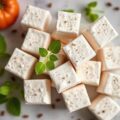
- 200g firm tofu, pressed and cubed – It’s essential to use firm tofu, as it holds its shape and soaks up all the curry’s flavors.
- 1 bell pepper, sliced thin – For crunch and sweetness.
- 100g baby corn, halved – Adds texture and another layer of flavor.
- 100g green beans, trimmed and cut into thirds – For some snap and freshness.
- 2 tablespoons soy sauce – To bring in the saltiness and deepen the flavor.
- 1 tablespoon brown sugar – Balances the heat and acidity of the dish.
- Juice of 1 lime – Fresh, zesty, and brightens the curry.
- Fresh basil (preferably Thai basil, but regular basil works) – For garnish and a fragrant final touch.
- Optional: chili slices, to garnish, if you want a little extra heat.
Cooking Instructions
- Prepare Your Ingredients: Start by chopping all your vegetables and tofu. I’ve learned the hard way that the more prep you do upfront, the smoother the cooking process will go. For the tofu, make sure to press it for at least 15-20 minutes to remove excess water-this helps it absorb more flavor and prevents it from becoming too soggy.
- Cook the Aromatics: Heat a tablespoon of vegetable oil in a large pan or wok over medium heat. Add the chopped onion, and sauté for about 3-4 minutes until it becomes translucent. Then, toss in the garlic and grated ginger, and sauté for another minute. The smell at this point is one of those moments where you’ll know you’re headed in the right direction.
- Add the Green Curry Paste: Stir in the green curry paste and cook for 2 minutes, letting the oils and flavors from the paste release into the oil. The paste is where the magic happens-it will smell intense, and that’s when you know you’re on the right track.
- Incorporate the Coconut Milk: Pour in the coconut milk and stir to combine with the curry paste. Bring the mixture to a gentle simmer. This is where the dish starts coming together, as the creamy coconut milk softens the intensity of the curry paste while still letting the flavors shine.
- Cook the Tofu and Vegetables: Gently add the tofu cubes into the curry sauce, followed by the bell pepper, baby corn, and green beans. Let everything simmer for 10-12 minutes, until the vegetables are tender and the tofu has soaked up all that rich, aromatic sauce. Stir occasionally, being careful not to break up the tofu too much.
- Add Final Touches: Stir in the soy sauce, brown sugar, and lime juice. Taste, and adjust the seasoning if needed. If you prefer more heat, this is when you can add some fresh chili slices or a little extra curry paste.
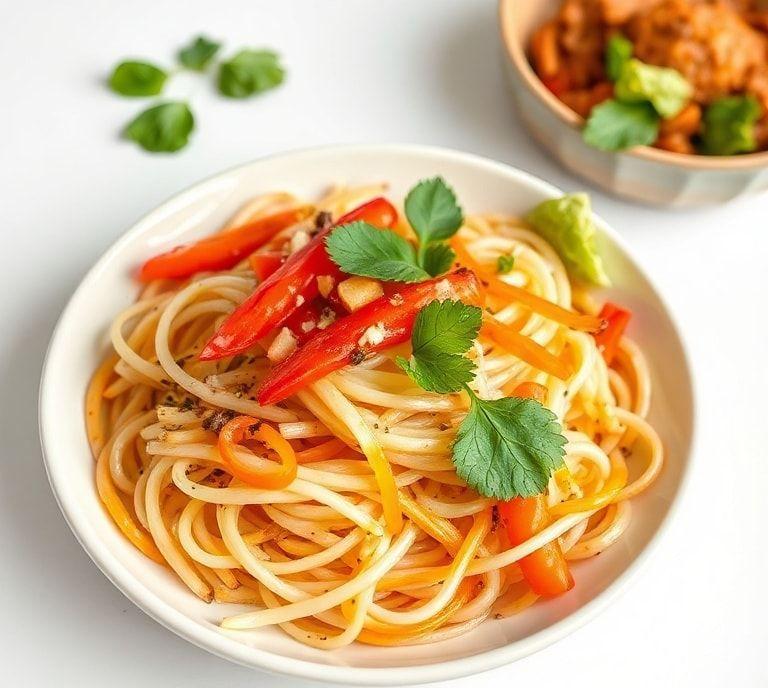
- Serve: Serve the curry hot, garnished with fresh basil leaves. I recommend pairing it with steamed jasmine rice or some rice noodles to soak up all the sauce.
Ingredient Science Spotlight
What makes Thai curry pastes so unique is their blend of spices and fresh herbs. The green curry paste itself is full of fresh green chilies, galangal (a cousin of ginger), lemongrass, and kaffir lime leaves. These ingredients don’t just provide flavor-they’re powerhouses of essential oils that are packed with antioxidants and anti-inflammatory properties. For example, lemongrass is known for its detoxifying benefits, while ginger adds not just spice but also digestive aid. Coconut milk, the creamy base of our curry, is rich in medium-chain triglycerides (MCTs), which are fats that are quickly absorbed and turned into energy, making this curry both satisfying and nourishing.
Expert Tips
- Tofu Tips: Tofu can be a little tricky to get right. Pressing it before cooking is key to preventing it from being too watery. I also recommend pan-frying the tofu in a little oil before adding it to the curry for an extra layer of texture and flavor.
- Layering Flavors: The key to a good curry is balancing the salty, sweet, sour, and spicy elements. If the curry feels too spicy, add a bit more sugar or lime juice to balance it out. If it’s too rich, a splash of soy sauce or a little more lime juice can cut through the creaminess.
- Herbs Make a Difference: Fresh herbs are a must in Thai cooking, and basil is the star in this dish. If you can find Thai basil, it has a slightly peppery, aniseed flavor that really brings the dish to life. But regular basil works too-just make sure it’s fresh!
Recipe Variations
- Add More Veggies: Feel free to throw in any veggies you have on hand-zucchini, carrots, or even spinach would work great. The beauty of curry is that it’s so adaptable to what’s in season or what you’re in the mood for.
- Switch the Protein: If tofu’s not your thing, tempeh or even seitan can be used as a protein alternative. Both will absorb the curry flavors wonderfully.
- Make it Spicy: If you like your curry with more heat, try adding fresh red chilies or a dash of sriracha. Alternatively, you can use a spicier curry paste.
Final Words
Cooking Thai food at home might feel intimidating at first, especially when dealing with unique ingredients like curry paste or coconut milk, but it’s all about taking it step by step and letting the ingredients shine. What I love about this Thai green curry with tofu is how it strikes that perfect balance of rich and refreshing, spicy and creamy, all at once. It’s a dish that’s simple enough for weeknight dinners but impressive enough for guests.
FAQs
What Are Some Common Ingredients In Thai Vegetarian Dishes?
Thai vegetarian dishes often feature a combination of fresh vegetables, tofu, rice, noodles, and flavorful seasonings. Common ingredients include lemongrass, garlic, ginger, basil (especially Thai basil), cilantro, lime leaves, coconut milk, soy sauce, tamarind, and various types of chili peppers. Stir-fries, curries, and soups are popular dishes that incorporate these ingredients.
Is Thai Food Vegetarian-friendly?
Yes, Thai food can be very vegetarian-friendly, as many dishes are naturally vegetarian or can be easily adapted by substituting meat with tofu, tempeh, or additional vegetables. Popular vegetarian Thai dishes include Pad Thai (with tofu), Green Curry with tofu, Som Tum (papaya salad), and Tom Yum soup (which can be made with mushrooms instead of shrimp). However, it’s important to watch for fish sauce, which is commonly used in many Thai dishes.
How Can I Make A Thai Curry Vegetarian?
To make a Thai curry vegetarian, simply replace the meat or seafood with plant-based alternatives like tofu, tempeh, or additional vegetables such as eggplant, zucchini, or mushrooms. Use a vegetarian-friendly curry paste, as some traditional curry pastes may contain shrimp paste. For the curry base, coconut milk is commonly used, and you can season with ingredients like soy sauce, lime juice, and fresh herbs like basil and cilantro.