There’s something incredibly satisfying about a simple bowl of noodles, don’t you think? Whether it’s the chewy texture, the rich broth, or the way each bite feels like a little cozy hug, Japanese noodles hold a special place in my heart. I’ve always been drawn to their versatility-they can be as delicate as soba or as hearty as udon. Growing up, I’d often find myself experimenting with different variations of noodles, trying to recreate dishes I had enjoyed at local Japanese restaurants. Over time, I began to realize just how easy it is to make a vegetarian version of Japanese noodles that’s packed with flavor, without sacrificing the authenticity of the dish. Today, I’m sharing my go-to vegetarian Japanese noodle recipe that is comforting, vibrant, and full of personality.
There’s something deeply personal about cooking, don’t you think? It’s about finding the perfect balance of ingredients, experimenting with flavors, and ultimately creating something you can share with others. That’s exactly what this recipe is about-a love for simple, fresh ingredients and a connection to the art of cooking. If you’re looking for a new vegetarian dish that’s light, nourishing, and bursting with Japanese-inspired flavors, you’re in the right place.
Japanese Noodles Vegetarian Recipe
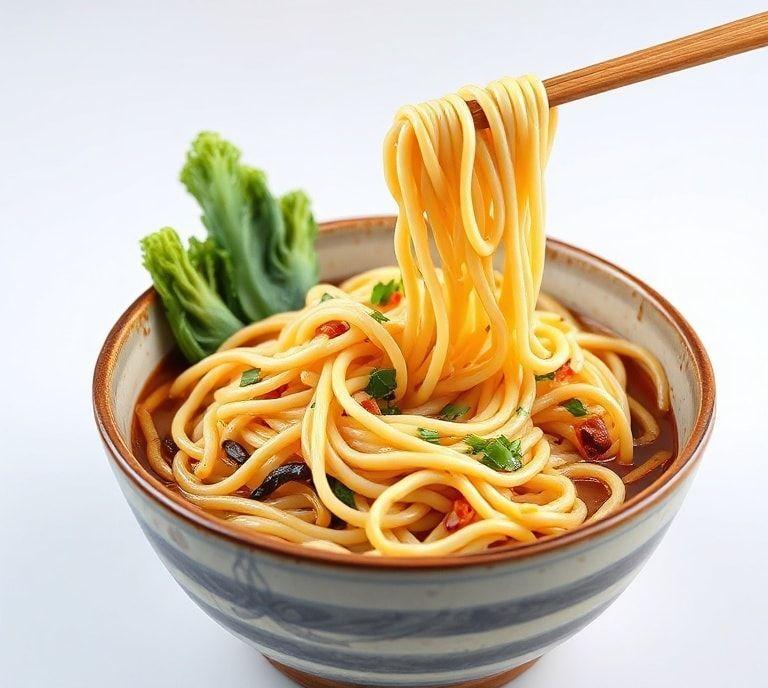
This vegetarian Japanese noodle recipe is all about balance-smooth, silky noodles, savory miso broth, a variety of colorful veggies, and just enough umami to tie it all together. Think of it as a warm hug on a cold day or a beautiful way to celebrate the bounty of seasonal vegetables. What makes this recipe so great is that it’s incredibly adaptable. You can swap in whatever vegetables are in season or that you happen to have in the fridge.
Ingredients Needed
To create this dish, you’ll need a few simple ingredients that bring the full depth of flavor you’d expect from a Japanese noodle bowl:
- Japanese noodles: I love using udon for its chewy, satisfying texture, but soba noodles or ramen noodles work great too.
- Vegetable broth: For a truly vegetarian-friendly dish, a good quality vegetable broth is essential. It serves as the base of your miso soup.
- Miso paste: I always use white miso (shiro miso) because it’s milder and sweeter than its red counterpart. It dissolves beautifully into the broth, creating that signature depth of flavor.
- Soy sauce: A little splash adds saltiness and umami, which balances out the miso.
- Ginger: Fresh ginger brings a touch of spice and freshness, helping to cut through the richness of the broth.
- Garlic: A couple of cloves, minced finely, provide the earthy base note that complements the ginger.
- Vegetables: I love using mushrooms (shiitake, enoki, or button mushrooms), carrots, spinach, and bok choy. But feel free to add whatever vegetables are in season or that you prefer.
- Tofu: For a little extra protein, tofu adds a soft, creamy element to the dish. You can use silken tofu or firm tofu, depending on your texture preference.
- Sesame oil: This adds a nutty, aromatic richness to the broth and the stir-fried vegetables.
- Scallions: For garnish-add a little bit of fresh, sharp flavor on top of your dish.
Cooking Instructions
Making these noodles is simple, and it’s one of those recipes where you don’t need to sweat the small stuff. I like to think of this process as an enjoyable rhythm. Let’s break it down step by step:
- Prepare the noodles: Start by cooking your noodles according to the package instructions. If you’re using udon or soba, they usually take about 4-5 minutes to cook. Drain and set aside. If you’re feeling adventurous, try making your own noodles from scratch-it’s easier than you think, and so rewarding!
- Make the broth: In a large pot, heat a tablespoon of sesame oil over medium heat. Add the minced garlic and ginger, and sauté for about 2 minutes until fragrant. Then, pour in your vegetable broth. Stir in the miso paste and soy sauce, whisking it into the broth until it’s fully dissolved. Bring it to a simmer and let it cook for 5-10 minutes. Taste and adjust seasoning if necessary, adding a little more soy sauce or miso for a stronger flavor.
- Cook the vegetables: While your broth is simmering, heat another tablespoon of sesame oil in a large pan over medium-high heat. Add your mushrooms, carrots, bok choy, and any other vegetables you’re using. Sauté them for 5-7 minutes, until tender and slightly caramelized. You want them to retain some texture but also soak up that delicious sesame oil.
- Assemble the dish: Place the cooked noodles in bowls. Ladle the miso broth over the noodles, then add the sautéed vegetables on top. Finally, add tofu (cubed) to each bowl, and garnish with fresh scallions. I also like to drizzle a little extra sesame oil over the top for that added richness. If you like a bit of heat, you can also sprinkle chili flakes or a dash of sriracha.
- Serve and enjoy: Take a moment to appreciate the colors, the scents, and the vibrant bowl in front of you. The warmth of the broth, the chewiness of the noodles, and the crunch of the vegetables-everything comes together so beautifully. Serve with a side of pickled ginger or a small dish of soy sauce for extra flavor.
Ingredient Science Spotlight
Here’s where I get a little geeky about food! Let’s dive into the science behind some of the key ingredients in this dish:
- Miso paste: Miso is a fermented food, and it’s this fermentation that gives it its complex flavor profile. The process of fermentation breaks down proteins into amino acids, like glutamate, which is why miso has such a savory umami flavor. The lactic acid bacteria involved in fermentation also provide gut-healthy probiotics, making miso a great choice for digestion.
- Tofu: Tofu is made from soybeans, and depending on its type (silken vs. firm), it can add different textures to the dish. Firm tofu, for example, holds up better in soups and stir-fries, while silken tofu is smooth and delicate. It’s also a great source of plant-based protein, calcium, and iron-making it a perfect addition to a vegetarian meal.
- Ginger: Ginger isn’t just a flavor bomb, it’s a digestive powerhouse. It has compounds like gingerol that have anti-inflammatory and antioxidant properties. It also helps with nausea and digestion, making it the perfect addition to a warm, comforting bowl of noodles.
- Soy sauce: Traditionally brewed soy sauce is made by fermenting soybeans, wheat, salt, and water. It adds that deep, savory umami flavor, and its amino acids help to enhance other flavors in the dish. In this recipe, it complements the miso perfectly, giving the broth a layered, rich flavor.
Expert Tips
Here are some of my go-to tips to take your Japanese noodle dish to the next level:
- Use homemade vegetable broth: If you have the time, make your own vegetable broth. It’s easy, and the flavor will be more vibrant than store-bought. A good broth is the base of your dish, so don’t skimp on it.
- Add texture variety: Play with textures. Maybe add some crunchy fried shallots or roasted peanuts as a topping for a delightful contrast with the smooth noodles.
- Experiment with miso types: If you want a stronger, earthier flavor, try using red miso instead of white. Just be sure to adjust the quantity as red miso can be more potent.
- Chill it for summer: This dish is equally amazing when served chilled. If you’re craving something lighter in summer, make the broth in advance, chill it, and serve over cold noodles and veggies. It’s refreshing and just as delicious.
- Don’t forget the garnishes: A sprinkle of toasted sesame seeds, a dash of chili oil, or a few drops of lime juice can completely change the flavor profile and elevate the dish.
Recipe Variations
This recipe is so flexible, and that’s what makes it fun! Here are some variations you can try:
- Spicy Miso Noodles: Add a tablespoon of gochujang (Korean chili paste) or sriracha to the broth for some heat.
- Mushroom & Tofu Lovers: Double up on the mushrooms and tofu for a heartier version of the dish.
- Zucchini Noodles: Swap the traditional noodles for zucchini noodles for a lighter, lower-carb version.
- Coconut Milk Broth: For a creamier, more tropical take, try adding a splash of coconut milk to your broth along with the miso. It’ll give your soup a silky texture and a rich, slightly sweet flavor.
Final Words
Whether you’re making this dish for a cozy night in, or sharing it with friends at a dinner gathering, this Japanese noodle recipe offers warmth, depth, and plenty of room for customization. It’s the kind of dish that can adapt to whatever ingredients you have on hand, making it a reliable staple to have in your recipe arsenal. And the best part? It’s just as delicious the next day, making it perfect for leftovers.
FAQs
What Are The Main Ingredients For A Vegetarian Japanese Noodle Recipe?
A typical vegetarian Japanese noodle recipe includes ingredients such as soba or udon noodles, tofu, vegetables (like spinach, mushrooms, and bok choy), soy sauce, miso paste, sesame oil, garlic, and ginger. You can also add ingredients like seaweed, edamame, or pickled vegetables for extra flavor and texture.
Can I Substitute Traditional Noodles With Gluten-free Options In A Vegetarian Japanese Noodle Recipe?
Yes, you can substitute traditional noodles with gluten-free options like rice noodles or gluten-free soba noodles. Just ensure that the noodles you choose are suitable for your dietary preferences, and adjust the cooking times according to the type of noodles used.
How Can I Enhance The Flavor Of My Vegetarian Japanese Noodles?
To enhance the flavor of vegetarian Japanese noodles, consider using a rich broth made from miso paste or vegetable stock, and add seasonings like soy sauce, sesame oil, and mirin. You can also incorporate umami-rich ingredients like shiitake mushrooms, nori (seaweed), or nutritional yeast. Additionally, garnishing with sliced green onions, chili flakes, or toasted sesame seeds can elevate the dish.