Collard greens have a reputation for being a hearty, flavorful Southern staple, but when you add a vegetarian twist, it becomes something truly special. Growing up in the South, I can still recall the smell of collard greens simmering in a pot for hours-rich, savory, and soul-warming. But let’s be real: collard greens in their most classic form are often cooked with a generous helping of smoked ham hocks or bacon to give them that deep, savory flavor. While there’s nothing wrong with that (I’m not here to start a war over meat vs. no meat), I’ve found that even without the meat, collard greens can be absolutely packed with flavor and just as satisfying.
This vegetarian version of Southern collard greens brings the same bold taste and heartiness, minus the meat. It’s a simple yet delicious way to enjoy this beloved dish without compromising on flavor. You’re going to love how easy it is to make, and even more, you’ll appreciate the depth of flavor that comes from a combination of thoughtful ingredients and techniques. So, let’s dive in!
Southern Collard Greens Vegetarian Recipe
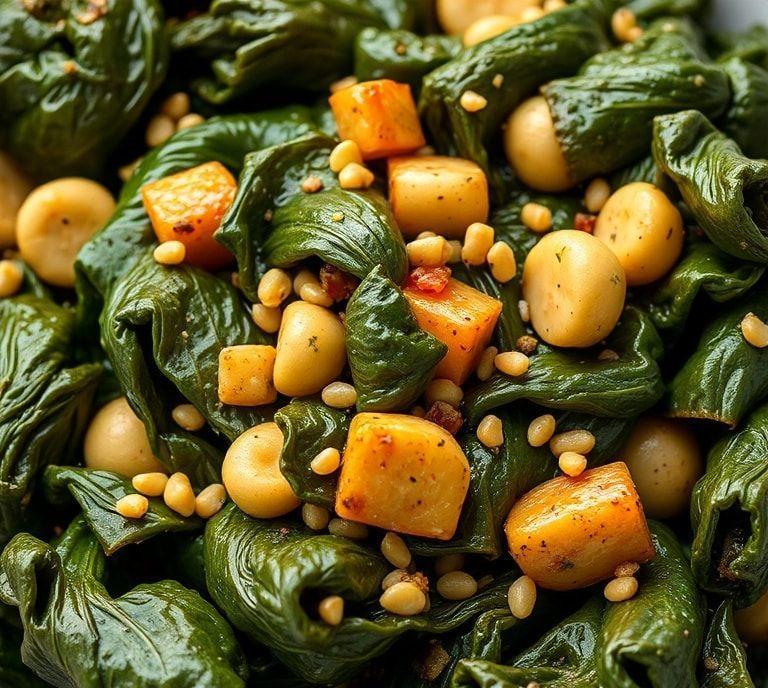
In this recipe, we’ll be embracing the Southern tradition but with a fresh twist. By using vegetable broth, seasoning, and a few simple additions, you’ll have a dish that’s just as satisfying as its meaty counterpart. The key is slow-cooking the greens until they’re tender and flavorful, allowing the seasonings to really infuse every bite.
Ingredients Needed
Here’s what you’ll need to make this vegetarian Southern collard greens recipe:
- 1 large bunch of collard greens – The heart of the dish! Fresh, dark green leaves are ideal, and be sure to remove the tough stems.
- 1 tablespoon olive oil – For sautéing the onions and garlic, olive oil gives a smooth richness that adds to the flavor without overpowering it.
- 1 medium onion – Sliced thinly, this adds a sweet and savory base.
- 4 cloves garlic – Minced; garlic is a must in any Southern dish, adding that familiar bold bite.
- 2 cups vegetable broth – This is where a lot of the depth comes from. Vegetable broth keeps things rich and flavorful, without leaning on any meat products.
- 1 tablespoon apple cider vinegar – A Southern touch that helps balance the richness and adds a slight tang.
- 1 teaspoon smoked paprika – For a subtle smoky flavor that mimics the depth typically provided by meats.
- 1 teaspoon red pepper flakes – Adds a little heat, but nothing too overwhelming.
- 1/2 teaspoon salt – To taste.
- 1/2 teaspoon black pepper – Freshly ground for the best flavor.
- 1 tablespoon maple syrup (optional) – Adds a hint of sweetness, which I think balances the vinegar and spices really well.
Cooking Instructions
- Prepare the collard greens: Begin by washing the collard greens thoroughly. Collards can often have grit stuck to their leaves, so it’s worth giving them a good rinse. Once cleaned, stack the leaves, fold them in half to remove the tough stem, and slice them into strips (about 1-inch wide).
- Sauté aromatics: Heat the olive oil in a large pot over medium heat. Once hot, add the sliced onion and sauté until they become soft and translucent, about 5 minutes. Then, add the minced garlic and sauté for another 1-2 minutes, until fragrant. You’ll know it’s ready when the kitchen starts to smell heavenly.
- Add the broth and seasonings: Pour in the vegetable broth and bring it to a gentle simmer. Stir in the apple cider vinegar, smoked paprika, red pepper flakes, salt, and black pepper. At this point, I like to give it a taste. If you feel it needs more salt or vinegar, this is the time to adjust.
- Cook the collard greens: Add the collard greens in batches, stirring occasionally to incorporate them into the broth. They will wilt down significantly, so don’t worry if it looks like too much at first. Once all the greens are in the pot, cover and reduce the heat to low. Let them simmer for about 45 minutes to 1 hour, stirring occasionally. The longer you let them cook, the more tender they’ll become, and the deeper the flavor will be.
- Final touches: Once the greens are tender and the broth has reduced slightly, taste again and adjust the seasoning. If you like a touch of sweetness, drizzle in the maple syrup and stir it in.
Serve hot, and be ready to savor every bite. These collard greens are perfect as a side dish or even as the main event if you’re craving something simple yet fulfilling.
Ingredient Science Spotlight
Collard greens are not just delicious; they’re packed with nutrients, making them a true powerhouse of a vegetable. One of the highlights of collard greens is their high vitamin K content, which plays an essential role in blood clotting and bone health. Additionally, these greens are an excellent source of fiber, which is great for digestion and can help maintain steady blood sugar levels.
The smoked paprika adds a fascinating twist by giving the dish a smoky flavor without any meat, which mimics that slow-cooked richness that you usually get from meats like ham hocks or bacon. The apple cider vinegar serves as a balancing agent, cutting through the richness of the greens while brightening up the dish, and providing a touch of acidity that enhances the flavors.
Expert Tips
- Don’t skip the slow cooking: The beauty of collard greens lies in their long cooking time. The slower you cook them, the more the flavors have a chance to meld together. If you’re in a rush, you can cook them for less time, but for that tender, melt-in-your-mouth experience, 45 minutes to an hour is the sweet spot.
- Use fresh greens: If you can, opt for fresh collard greens over frozen ones. Fresh greens have a more vibrant flavor and texture, which makes all the difference in a dish like this.
- Play with spices: If you like heat, increase the red pepper flakes or add some cayenne pepper. If you’re a fan of savory, a pinch of thyme or even a dash of liquid smoke could amp up the flavor.
- Texture: For extra texture and flavor, try adding a handful of chopped nuts (like pecans) or seeds (sunflower or pumpkin) in the final stages of cooking.
Recipe Variations
- Collard Greens with Coconut Milk: For a creamier version, add a cup of coconut milk to the broth. This adds a subtle sweetness and makes the dish richer.
- Spicy Collard Greens: Add more heat by incorporating jalapeños or a diced fresh chili pepper when sautéing the onions and garlic.
- Vegan Bacon or Tempeh: If you miss the smokiness and meaty texture of bacon, try adding some crumbled vegan bacon or sautéed tempeh for that savory umami hit.
Final Words
There’s something truly comforting about a pot of collard greens simmering away on the stove, filling the air with that familiar, savory scent. This vegetarian version proves that you don’t need meat to create a dish that’s bold and packed with flavor. Whether you’re serving it alongside a hearty meal or making it the centerpiece, these collard greens are sure to win you over.
FAQs
What Ingredients Are Typically Used In A Southern Collard Greens Vegetarian Recipe?
A Southern collard greens vegetarian recipe typically includes collard greens, vegetable broth, garlic, onion, smoked paprika, apple cider vinegar, olive oil, and seasonings such as salt, pepper, and crushed red pepper flakes. Some recipes also call for a dash of sugar to balance the bitterness of the greens.
Can I Make Southern Collard Greens Vegetarian Without Using Vegetable Broth?
Yes, you can make Southern collard greens vegetarian without vegetable broth by substituting it with water, or using a homemade vegetable stock. If you want to keep the deep umami flavor, consider adding a splash of soy sauce, miso paste, or a bit of nutritional yeast for a savory boost.
How Long Should I Cook Southern Collard Greens Vegetarian To Achieve The Right Tenderness?
To achieve the right tenderness, collard greens should be cooked for about 45 minutes to 1 hour on medium heat. The cooking time may vary depending on the size and age of the greens. Younger, more tender leaves may require less time, while older, tougher leaves might take a bit longer to become tender.