There’s something magical about creating a meal that is both nourishing and comforting. It’s the kind of dish that not only fuels the body but also invites you to pause and savor each bite. For me, some of the most satisfying meals come from simple ingredients, where the flavors speak for themselves without the need for excessive embellishment. One of those dishes is a classic vegetarian lentil curry. I remember the first time I made it-it was a rainy afternoon, and I had just returned from the farmers’ market, arms full of produce. I wanted something hearty but not heavy, something that would make the house smell warm and inviting. The lentils simmered on the stove as I chopped fresh herbs, and the aroma that filled the kitchen was enough to melt away any lingering stresses of the day. That’s the beauty of a dish like this: it’s nourishing, easy, and brimming with layers of flavor.
Diet Vegetarian Recipe: Lentil Curry
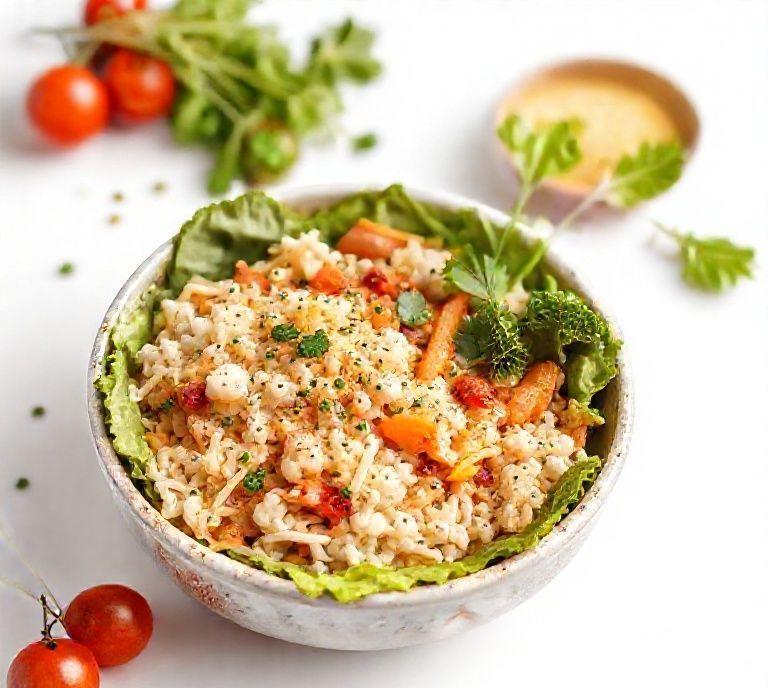
This lentil curry is a perfect example of how vegetarian meals can be both filling and flavorful without feeling like you’re missing out on anything. The lentils are rich in protein, the spices lend warmth and depth, and the coconut milk adds a creamy richness that balances everything out. Whether you’re a long-time vegetarian or just looking to add more plant-based meals into your routine, this recipe is a delicious option that doesn’t require hours of prep.
Ingredients Needed
Before we dive into the actual cooking, let’s take a look at the ingredients that will bring this dish to life. You’ll find that this list is filled with pantry staples, and most of the items are easy to find at your local grocery store.
- 1 cup dried green or brown lentils – Lentils are the backbone of this dish. They’re full of plant-based protein, fiber, and iron, making them a great choice for vegetarians or anyone looking to add more nutrient-dense meals to their diet.
- 1 tablespoon olive oil or coconut oil – For sautéing the vegetables. Both oils work beautifully here, but if you’re aiming for a slightly sweeter, richer flavor, coconut oil is the way to go.
- 1 onion, finely chopped – Onions form the foundation of many savory dishes, and their sweetness, once caramelized, brings depth to the curry.
- 2 cloves garlic, minced – Garlic is another ingredient that adds layers of complexity. When it’s sautéed, it releases a fragrant aroma that you’ll find impossible to resist.
- 1 tablespoon grated ginger – Fresh ginger adds a sharp, zesty kick to the dish, perfectly complementing the earthiness of the lentils and the richness of the coconut milk.
- 1 tablespoon ground turmeric – Turmeric is a staple in many curry dishes. It has a warm, slightly bitter flavor and is packed with antioxidants.
- 1 teaspoon ground cumin – Cumin’s warm, earthy flavor brings a smoky quality to the curry.
- 1 teaspoon ground coriander – Coriander is a fragrant spice with citrusy notes, giving the dish an aromatic brightness.
- 1 teaspoon garam masala – This is a traditional Indian spice blend, often used in curries, which adds a little warmth and complexity with spices like cinnamon, cardamom, and cloves.
- 1 can (14 oz) coconut milk – Coconut milk adds creaminess and a slight sweetness to balance the spices.
- 2 cups vegetable broth – The broth helps create the curry sauce and adds depth of flavor.
- Salt and pepper to taste – Always essential for seasoning and bringing out the best in the dish.
- Fresh cilantro for garnish – The fresh herbs really brighten up the dish and provide a pop of color.
Cooking Instructions
Cooking this lentil curry is a lot like putting together a puzzle. Each step adds a layer of flavor, but it’s a process that requires patience rather than speed. Here’s how to bring everything together:
- Prep the lentils: Start by rinsing your lentils in a fine mesh strainer under cold water. This helps remove any dirt or debris. Then, set them aside.
- Cook the aromatics: In a large pot, heat your olive or coconut oil over medium heat. Add the chopped onions and cook for about 5 minutes until they’re soft and golden. Add the minced garlic and grated ginger, cooking for another 1-2 minutes, until everything becomes fragrant.
- Spice things up: Stir in your turmeric, cumin, coriander, and garam masala. Let the spices toast for a minute or so, which helps release their essential oils and intensifies the flavor. Your kitchen should smell incredible by now!
- Add the lentils and liquids: Pour in your rinsed lentils, then add the coconut milk and vegetable broth. Stir everything together and bring it to a boil.
- Simmer and cook: Once boiling, lower the heat to a gentle simmer. Cover the pot and let it cook for about 30-35 minutes, or until the lentils are tender. You may need to add a little extra broth or water if the curry thickens too much.
- Season and serve: Taste your curry and add salt and pepper to your liking. If you want an extra pop of freshness, stir in some chopped cilantro right before serving.
Ingredient Science Spotlight
Lentils are the star of this dish, and their nutritional benefits are impressive. A great source of plant-based protein, they’re also packed with fiber, making them perfect for supporting digestive health. They contain complex carbohydrates, which break down slowly and provide long-lasting energy-no sugar crashes here!
But what’s really interesting about lentils is their versatility in absorbing flavors. The texture of lentils allows them to soak up the spices and liquids they’re cooked with, which is why they make such a great base for curries and soups. Not only do they absorb flavors, but their high iron content makes them a great addition to vegetarian meals, helping to balance out the sometimes lower iron levels in plant-based diets.
Expert Tips
- Soaking lentils: While it’s not necessary to soak lentils before cooking, you can soak them for a few hours to reduce cooking time. Just be sure to drain and rinse them thoroughly if you do.
- Adjusting the spices: If you’re someone who loves a little extra heat, you can add a chopped chili pepper or a pinch of cayenne pepper to the curry. For a milder dish, cut back on the garam masala.
- Creaminess: To make the curry even creamier, feel free to add an extra splash of coconut milk at the end. It’ll give the dish an even richer texture.
- Make it a one-pot meal: Serve the curry with a side of rice or naan to make it more filling. You can also toss in some greens like spinach or kale during the last 5 minutes of cooking for added nutrients.
Recipe Variations
As with most recipes, there’s plenty of room to get creative. Here are some variations to try:
- Roasted vegetables: Add roasted cauliflower, carrots, or sweet potatoes to the curry for a boost of texture and sweetness.
- Leafy greens: Stir in spinach, kale, or chard for a pop of green and added vitamins.
- Lentil variations: If you don’t have green or brown lentils, feel free to use red lentils instead. They cook faster and break down into a softer texture, creating a thicker, more stew-like consistency.
- Different base: If coconut milk isn’t your thing, try using a splash of almond milk or heavy cream for a different kind of richness.
Final Words
Cooking is always an act of creativity, especially when you’re working with a simple recipe like this one. I love how you can personalize it to suit your own tastes-whether you prefer a spicier kick or a more mellow, creamy finish. Plus, it’s one of those dishes that seems to get better the next day, so you can enjoy the leftovers for lunch.
FAQs
What Are The Key Components Of A Healthy Diet Vegetarian Recipe?
A healthy diet vegetarian recipe typically includes a variety of plant-based ingredients such as vegetables, legumes (like beans, lentils, and chickpeas), whole grains (quinoa, brown rice, oats), and plant-based proteins (tofu, tempeh, seitan). It’s important to ensure a balance of macronutrients, including healthy fats from sources like avocado, nuts, and seeds, as well as an adequate intake of vitamins and minerals such as B12, iron, and calcium, often requiring fortified foods or supplements.
Can Diet Vegetarian Recipes Help With Weight Loss?
Yes, diet vegetarian recipes can support weight loss if they are designed with a focus on whole, minimally processed ingredients and controlled portions. Recipes that are rich in fiber, such as those with vegetables, legumes, and whole grains, can help with satiety and digestion, making it easier to manage calorie intake. Additionally, using plant-based sources of protein can boost metabolism and prevent muscle loss, which is important during weight loss.
How Can I Ensure I Get All The Necessary Nutrients On A Vegetarian Diet?
To ensure you receive all necessary nutrients on a vegetarian diet, it’s crucial to include a wide range of foods in your diet. Make sure to consume sufficient protein from plant-based sources like lentils, tofu, and quinoa, and include iron-rich foods such as spinach, beans, and fortified cereals. Vitamin B12, which is mostly found in animal products, should be obtained through fortified foods or supplements. Additionally, pay attention to calcium and omega-3 fatty acids, which can be sourced from fortified plant milks, leafy greens, chia seeds, and walnuts.