There’s something undeniably comforting about marshmallows. Whether you’re toasting them by a fire, adding them to hot cocoa, or even sneaking a handful straight from the bag, they have that perfect blend of sweetness and fluff that makes life a little more delightful. But did you know that most marshmallows aren’t even vegetarian? Yup, traditional marshmallows often contain gelatin, which is derived from animal collagen. For vegetarians or those looking for plant-based alternatives, this can be a bit of a bummer. But don’t worry! I’m here to show you how to make a marshmallow that’s just as pillowy and sweet-without a single animal product in sight.
A few years ago, I decided to take a crack at making marshmallows from scratch. I’ve always been the curious type, eager to experiment in the kitchen. And after a few failed attempts (let’s just say there was a lot of goopy, sticky mess involved), I finally stumbled upon a way to create marshmallows that were just as airy and delicious as the ones I remembered. The trick? Agar-agar, a plant-based substitute for gelatin. Since then, I’ve been making these marshmallows every chance I get, tweaking the recipe and finding new ways to enjoy them. If you’ve been craving marshmallows but want something that aligns more with your dietary choices, this recipe is for you. Let’s dive in!
Marshmallow Vegetarian Recipe
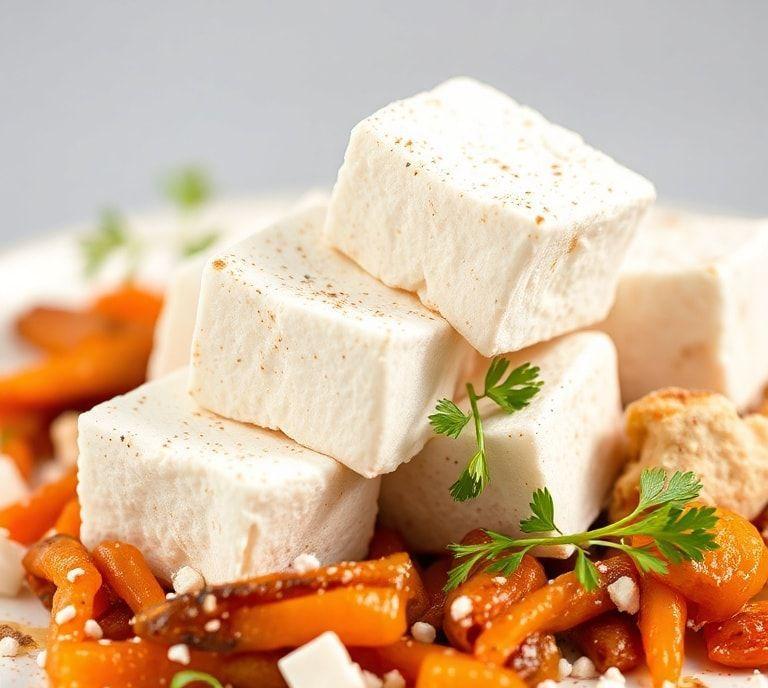
Making marshmallows at home might sound a bit ambitious, but trust me, it’s totally worth it. It’s one of those recipes that seems impressive, but the steps are actually quite simple once you get the hang of it. And the beauty of these marshmallows is that they can be customized however you like-different flavorings, colorings, or even a light dusting of cocoa powder for an extra treat. You’ll soon be whipping them up for family gatherings, cozy nights in, or even just because you feel like indulging.
Ingredients Needed
Here’s what you’ll need for your homemade vegetarian marshmallows:
- Agar-agar powder (about 1 tablespoon): This is your magic ingredient. It’s a seaweed-derived substance that acts as a firming agent, similar to gelatin. It sets perfectly without the need for animal products, and it gives your marshmallows that wonderful squishy texture.
- Water (1 cup): For dissolving the agar-agar and helping everything come together.
- Granulated sugar (2 cups): This will provide the sweetness and also helps in creating that smooth, glossy finish you associate with marshmallows.
- Corn syrup (½ cup): This keeps the marshmallows soft and prevents them from becoming too sticky or crystallized. You can substitute with maple syrup for a more unique flavor.
- Vanilla extract (2 teaspoons): Pure vanilla extract brings that classic marshmallow flavor. You can also get creative here and add things like almond extract or even a little citrus zest for something unexpected.
- A pinch of salt: Just enough to balance out the sweetness.
- Powdered sugar and cornstarch (for dusting): This helps prevent the marshmallows from sticking together as they set.
Cooking Instructions
- Prepare Your Pan: First, line an 8×8-inch pan with parchment paper. Make sure to lightly grease it with a bit of oil or cooking spray to help the marshmallows come out easily later. Dust the pan with a little powdered sugar and cornstarch mix. This keeps the marshmallows from sticking.
- Dissolve the Agar-Agar: In a small saucepan, combine the water and agar-agar. Stir well and bring the mixture to a boil. Let it boil for about 5-7 minutes while stirring frequently, making sure the agar fully dissolves. You’ll start to see it thicken up a bit-this is good.
- Make the Syrup: In another large saucepan, combine the sugar, corn syrup, and a pinch of salt. Heat this mixture over medium heat, stirring until the sugar is completely dissolved. Once the sugar has dissolved, bring the mixture to a simmer. Let it cook for about 5 minutes, or until it reaches 240°F (this is the soft-ball stage, which is key for that perfect marshmallow texture).
- Combine the Mixtures: Once the sugar syrup is ready, pour it into the agar-agar mixture, stirring constantly. This might take a little elbow grease, but keep at it. Let this mixture boil together for about another minute.
- Whisk Until Fluffy: Now for the fun part! Pour the hot syrup into the bowl of a stand mixer (or use a hand mixer if that’s what you have). Beat on high speed for 10-15 minutes until the mixture is thick, glossy, and has quadrupled in volume. It should be fluffy and resemble marshmallow fluff, but with a bit more structure.
- Add Vanilla: When it’s nice and fluffy, add your vanilla extract and give it a final whisk to combine.
- Pour and Set: Immediately pour the marshmallow mixture into your prepared pan. Use a spatula to smooth it out into an even layer. Let it set at room temperature for at least 4 hours, or overnight if you’re patient enough.
- Cut and Dust: Once set, dust the top with a little more powdered sugar and cornstarch mixture. Carefully cut the marshmallows into squares, dusting each piece with a little more powdered sugar to keep them from sticking together.
Ingredient Science Spotlight
Agar-agar is the hero here. Derived from red algae, it’s a plant-based gelatin alternative that sets even more firmly than gelatin, making it perfect for marshmallows. Agar-agar doesn’t require refrigeration, which is a major plus if you’re planning on storing your marshmallows at room temperature. The process of boiling it with water helps activate its gelling properties, allowing the marshmallows to firm up as they cool. The beauty of agar-agar is that it doesn’t need animal collagen to achieve that satisfying squish-just a little seaweed magic.
Sugar, on the other hand, is crucial not just for sweetness, but for creating the right texture. When sugar is heated to the soft-ball stage, it becomes syrupy and can form those long, sticky threads that turn into the marshmallow texture. The sugar binds with the water, making a structure that holds air bubbles-those delicate pockets that give marshmallows their lightness.
Expert Tips
- Don’t skimp on the whipping: The key to light and fluffy marshmallows is beating the mixture until it’s billowy and voluminous. If you stop too early, your marshmallows will end up dense and chewy rather than light and airy.
- Temperature is critical: Both the sugar syrup and the agar mixture need to reach the right temperatures. Too cool, and they won’t set properly. Too hot, and you might risk burning the sugar or compromising the texture.
- Custom flavors: Want to get fancy? You can add other flavors during the whipping stage. Try folding in some matcha powder for green tea marshmallows, or a spoonful of cocoa powder for chocolate marshmallows. You could also experiment with adding finely chopped herbs like mint for a fresh twist.
Recipe Variations
- Cinnamon Sugar Marshmallows: Roll the marshmallows in a mixture of cinnamon and sugar after cutting. The warmth of cinnamon adds a comforting, spicy twist.
- Chocolate Dipped Marshmallows: After cutting the marshmallows, dip them halfway into melted dark or milk chocolate and let the chocolate set for a glossy finish.
- Fruit-Infused Marshmallows: Add fruit puree (like strawberry or mango) to the mixture before whipping for a subtle fruity flavor.
Final Words
Making your own marshmallows is a rewarding experience. It’s one of those simple joys in life-like making homemade ice cream or baking a loaf of bread-that connects you with both the food and the process. You’ll feel a little like a magician, turning simple ingredients into something far more than the sum of their parts. Plus, these marshmallows are a fun treat to share with friends and family who might not even realize they’re eating something plant-based!
FAQs
Are Traditional Marshmallows Vegetarian?
Most traditional marshmallows are not vegetarian because they contain gelatin, which is derived from animal collagen. Vegetarians seeking to avoid animal products should look for marshmallows labeled ’vegetarian’ or “vegan”, which use plant-based gelling agents such as agar-agar, carrageenan, or pectin instead of gelatin.
How Can I Make Homemade Vegetarian Marshmallows?
To make homemade vegetarian marshmallows, replace gelatin with a plant-based alternative like agar-agar or carrageenan. Typically, sugar, water, and a flavoring such as vanilla are heated, and then the gelling agent is added. After whipping to a fluffy consistency, the mixture is poured into a pan, allowed to set, and cut into marshmallows. Using powdered sugar or cornstarch helps prevent sticking.
Can I Use Vegetarian Marshmallows In Baking And Desserts?
Yes, vegetarian marshmallows can be used in most recipes that call for traditional marshmallows, including s’mores, hot chocolate, and baked desserts. However, because some plant-based gelling agents behave slightly differently than gelatin, they may melt differently or require minor adjustments in recipes that depend on precise melting or browning properties.