There’s something undeniably comforting about a big bowl of borscht. The deep red, earthy soup has been a staple of Ukrainian kitchens for centuries, passed down from one generation to the next. Growing up, I remember the warm scent of beets simmering away on the stove and how the whole house seemed to glow with the promise of a meal that would stick to your ribs and fill your soul. The tradition of making borscht isn’t just about following a recipe; it’s a ritual of care, patience, and creativity. While borscht is often made with meat, there’s a version that’s just as rich, hearty, and satisfying-without the animal products. This vegetarian Ukrainian borscht recipe captures all the flavors of the classic dish but with a plant-based twist.
If you’ve never made borscht yourself, it might seem like a complicated dish, but in reality, it’s quite approachable. The ingredients are simple, and the method, though it requires a little time, is more about allowing the flavors to meld. Plus, there’s something so satisfying about chopping vegetables, stirring the pot, and knowing you’re creating something that’s been enjoyed for centuries.
So, let’s dive into how you can recreate this Ukrainian comfort food in your own kitchen, without the meat, but just as delicious.
Ukrainian Borscht Vegetarian Recipe
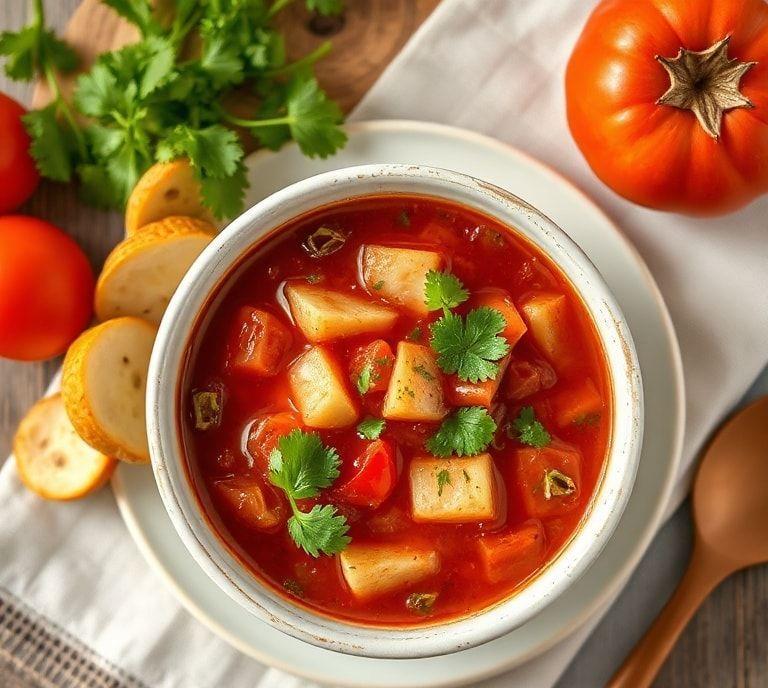
This vegetarian version of Ukrainian borscht still honors the dish’s traditional roots but allows for a fresh, plant-based take. You’ll get all the hearty depth of flavor from the beets, cabbage, and root vegetables, with the tangy addition of vinegar to balance out the richness. Serve it hot, with a dollop of sour cream (vegan if you prefer), and a few slices of rye bread on the side. It’s pure comfort in a bowl.
Ingredients Needed
This recipe calls for the essential elements that make borscht so iconic-beets, cabbage, carrots-but with a few added ingredients to boost flavor and texture.
- Beets (4 medium-sized): The star of the show. Beets provide that vibrant red color and earthy sweetness that are signature to borscht. If you’ve ever roasted beets, you know how their natural sugars caramelize into a deliciously tender, savory-sweet bite.
- Cabbage (½ head): Cabbage adds body and a bit of texture to the soup. It becomes soft and tender as it cooks, contributing to the depth of flavor and the classic borscht chewiness.
- Carrots (2 medium-sized): Carrots bring sweetness and color. When combined with the tangy elements of borscht, the carrots offer a balanced counterpoint.
- Onions (1 medium-sized): A key aromatic that sets the base of the flavor. Onions in borscht lend sweetness and depth when cooked long enough to soften and caramelize.
- Potatoes (2 medium-sized): Potatoes help thicken the broth, making the soup feel heartier. They also provide a neutral balance to all the bold flavors.
- Tomato paste (2 tablespoons): A little bit of tomato paste will intensify the flavor, adding richness and a touch of umami that rounds out the soup’s savory profile.
- Garlic (2 cloves): Garlic is a must, and it brings an aromatic punch to the dish that adds complexity. If you’re feeling bold, you can add a bit more.
- Vegetable broth (4 cups): Since we’re keeping this vegetarian, vegetable broth is the foundation. It should be flavorful and well-seasoned to add depth. You can use store-bought, but homemade is always better if you have the time.
- Vinegar (1-2 tablespoons): This is where the signature tanginess of borscht comes in. Traditionally, borscht gets its zing from vinegar, which brightens the entire soup and balances out the richness.
- Dill (a handful): Fresh dill adds a fragrant, slightly peppery freshness that complements the other ingredients. It’s a signature herb in borscht that’s not to be skipped.
- Bay leaf (1): For depth and complexity, bay leaf adds a subtle but important note of flavor to the broth.
- Salt and pepper: These are the basic seasonings that bring everything together. Don’t be afraid to season generously, as borscht benefits from bold flavor.
Cooking Instructions
The key to a great borscht is in the slow simmer and letting the ingredients mingle over time. Here’s how you can do it step by step.
- Prepare the Beets: Start by peeling and grating your beets. You can use a box grater or a food processor, but I prefer the hand-grating method for the rustic texture it adds to the soup. Set the beets aside.
- Sauté the Vegetables: In a large pot, heat some oil over medium heat. Add the diced onions and cook until softened and translucent, about 5 minutes. Next, add the carrots and potatoes, and cook for an additional 5 minutes. Stir occasionally to prevent burning.
- Add the Beets: Stir in the grated beets along with the tomato paste. Let everything cook together for about 5 minutes so the beets begin to release their juices.
- Pour in the Broth: Add the vegetable broth to the pot. Bring everything to a boil, then lower the heat and let it simmer for 30 minutes. The beets will infuse the broth with their color and flavor, so don’t rush this part.
- Add Cabbage and Seasonings: Add the shredded cabbage, garlic, bay leaf, and dill to the pot. Stir well and continue to simmer for another 20-30 minutes until the cabbage is tender.
- Adjust Seasoning: Taste the borscht and season with vinegar, salt, and pepper. If you like it tangier, add a bit more vinegar. The soup should have a balance of sweetness from the beets and carrots, acidity from the vinegar, and earthiness from the cabbage and potatoes.
- Let It Rest: For the best flavor, let your borscht sit for at least an hour before serving. This allows the flavors to meld together. Borscht often tastes even better the next day!
Ingredient Science Spotlight
One of the most interesting things about borscht is how simple ingredients-beets, cabbage, potatoes-can work together to create such a rich, flavorful soup. Beets, for instance, are not only packed with vitamins and minerals but also contribute natural sugars, which give the soup a sweetness that balances the acidity of the vinegar. The cabbage, on the other hand, is high in fiber and antioxidants, which help to promote digestion and support overall health. It also softens beautifully as it cooks, adding a comforting texture to the soup. Potatoes act as a thickener, absorbing all the flavors of the broth while adding their own starchiness to create a satisfying base.
Expert Tips
- Don’t Rush the Cooking Time: Borscht is one of those dishes that improves with time. The longer it simmers, the deeper and more complex the flavors become. If you can, make it the day before and let it sit in the fridge overnight.
- Add a Little Sweetness: If you prefer a more balanced borscht, add a small amount of sugar (1-2 teaspoons) to counteract the tang of the vinegar and bring out the natural sweetness of the beets.
- Garnish Right Before Serving: Add your fresh dill just before serving to keep its vibrant flavor and aroma. A spoonful of vegan sour cream or cashew cream on top will add a creamy finish that complements the soup’s acidity.
- Adjust Consistency: If the soup is too thick after simmering, simply add more vegetable broth or water until you reach your desired consistency.
Recipe Variations
While this vegetarian version stays close to the classic, you can certainly experiment with different variations based on your preferences:
- Add beans: For a protein boost, add a can of white beans or chickpeas to make the soup even heartier.
- Make it spicy: If you like a little heat, add a pinch of red pepper flakes or a chopped jalapeño to give the soup a kick.
- Add mushrooms: For a meatier texture, sauté mushrooms in oil before adding them to the pot. They’ll add a savory, umami richness to the borscht.
Final Words
Making borscht from scratch is a labor of love, but it’s also a journey worth taking. There’s something profoundly satisfying about taking the time to prepare a dish that has been cherished for generations. Whether you’re making it for yourself or sharing it with loved ones, a bowl of homemade borscht feels like an invitation to slow down and savor life’s simple pleasures.
FAQs
Can Ukrainian Borscht Be Made Completely Vegetarian?
Yes, Ukrainian borscht can be made completely vegetarian by omitting meat and using vegetable broth instead of beef or chicken stock. Traditional flavors are preserved by including ingredients like beets, cabbage, carrots, onions, potatoes, and tomatoes. Adding beans or mushrooms can enhance the texture and protein content, making it a hearty vegetarian dish.
What Are The Essential Ingredients For A Vegetarian Ukrainian Borscht?
The essential ingredients for a vegetarian Ukrainian borscht include beets, cabbage, carrots, onions, potatoes, garlic, and tomatoes or tomato paste. Additional flavorings often include bay leaves, dill, parsley, vinegar, and a touch of sugar to balance the natural sweetness of the beets. Some recipes also include beans, bell peppers, or mushrooms for added nutrition and texture.
How Can I Preserve The Authentic Taste Of Ukrainian Borscht Without Using Meat?
To preserve the authentic taste without using meat, use a rich vegetable broth and incorporate roasted or sautéed vegetables to develop depth of flavor. Adding a small amount of smoked paprika or a splash of soy sauce can mimic the umami typically contributed by meat. Finishing the borscht with a dollop of sour cream or a vegan alternative and fresh herbs like dill will maintain the traditional Ukrainian flavor profile.