A pita filled with vibrant, fresh ingredients is the perfect choice for a quick, satisfying meal that’s also flexible enough to cater to your mood or dietary preferences. What I love most about making pitas, particularly vegetarian ones, is that it’s such an easy way to pack in all sorts of textures and flavors, and it’s an opportunity to be creative with whatever’s in season or on hand. Whether you’re looking for a light lunch or a hearty dinner, this vegetarian pita recipe checks all the boxes for health, taste, and ease.
But beyond being a simple meal, this pita is a reminder that eating well doesn’t need to be complicated. Sometimes, it’s about getting back to basics with whole, wholesome ingredients, and letting them shine. With a few humble ingredients, you can create a satisfying, comforting meal that’s bursting with flavor and nutrition.
Vegetarian Pita Recipe
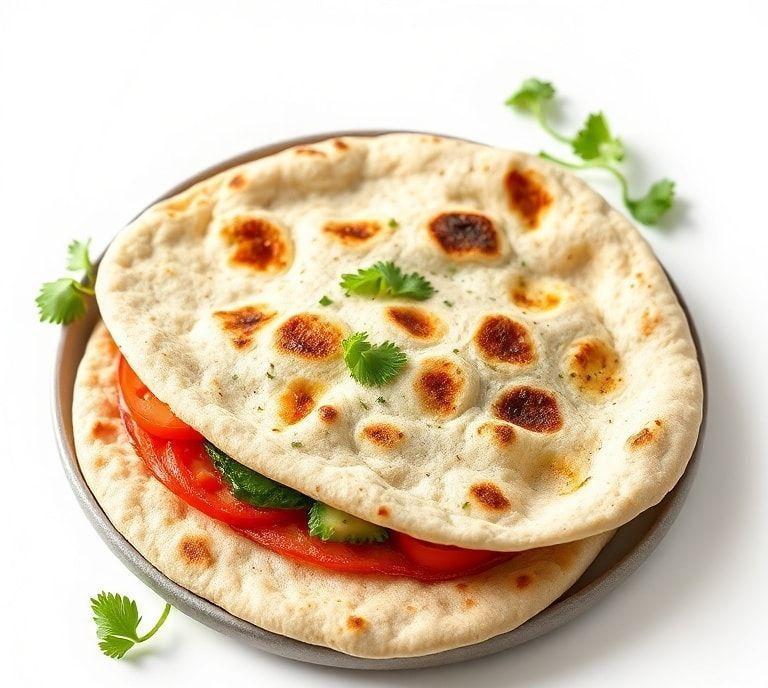
Now, let’s get into the good stuff. Picture this: a soft, warm pita pocket cradling a deliciously colorful mix of roasted vegetables, creamy hummus, and a tangy drizzle of tahini. Add some fresh greens for crunch, and you have yourself a meal that’s both filling and refreshing, with just the right balance of savory and sweet. This vegetarian pita recipe is easy to put together and even easier to enjoy.
Ingredients Needed
Here’s a simple list of what you’ll need:
- Pita bread: Soft, slightly chewy, and perfect for stuffing with all sorts of fillings.
- Hummus: A smooth, creamy base that pairs perfectly with the crisp veggies and rich flavors.
- Roasted vegetables: I recommend a mix of bell peppers, zucchini, and red onions, but any combination of seasonal vegetables will do. The caramelization from roasting brings out the natural sweetness and depth.
- Fresh greens: Arugula or spinach works wonderfully here. You want something with a bit of bite to contrast the creamy hummus and roasted veggies.
- Feta cheese: Crumbled or in cubes, feta brings a salty, tangy bite that balances the sweetness of the veggies and the richness of the hummus.
- Tahini: A drizzle of tahini adds a nutty, creamy texture that really ties everything together. It’s a game changer, trust me.
- Lemon juice: For that fresh pop of acidity to cut through the richness.
- Olive oil: For roasting the veggies and finishing the pita with a little gloss.
- Salt and pepper: To taste. Simple, but essential.
Cooking Instructions
The key to this recipe is in the layering of flavors, and that all begins with roasting the vegetables.
- Preheat your oven to 400°F (200°C). Grab a baking sheet and line it with parchment paper for easy cleanup. Cut your vegetables into bite-sized chunks-about 1-inch pieces for the peppers, zucchini, and onions. Toss them in olive oil, salt, and pepper, and spread them out in an even layer on the sheet.
- Roast the vegetables for about 20-25 minutes, flipping halfway through to ensure they cook evenly. You want them to be tender with a little bit of char around the edges, which brings out their natural sweetness. Keep an eye on them toward the end so they don’t burn.
- Assemble your pitas: While the veggies are roasting, cut your pita pockets in half. If they’re a bit too thick or stiff, you can warm them up in the oven for a few minutes or even toast them in a pan for a little extra crunch.
- Spread hummus: Once the pitas are ready, start by spreading a generous layer of hummus inside each pocket. Don’t skimp on this part-it’s the creamy base that will complement all the other ingredients.
- Stuff the pita: Fill the pita with the roasted veggies, followed by a handful of fresh greens and a sprinkle of crumbled feta. Drizzle the tahini over the top and finish with a squeeze of fresh lemon juice. Add a pinch of salt and pepper if you like.
- Serve and enjoy!: You can cut them in half for a more manageable bite or leave them whole for a more substantial meal. Either way, these pitas are ready to be devoured.
Ingredient Science Spotlight
Let’s take a closer look at why these ingredients work so well together, beyond just taste.
- Hummus is packed with healthy fats and protein, mainly from chickpeas and tahini. It helps create that luscious, creamy texture and balances out the crunch of the veggies.
- Tahini, made from ground sesame seeds, is rich in omega-3 fatty acids, calcium, and iron. It adds a distinct nutty flavor, and when drizzled over the veggies and hummus, it enhances the overall mouthfeel.
- Roasted vegetables offer more than just sweetness and depth; roasting at high heat brings out the Maillard reaction, where the natural sugars in the veggies caramelize, producing those deep, savory flavors.
- Feta cheese is a great source of protein and calcium. Its briny saltiness contrasts perfectly with the creamy hummus and sweet roasted vegetables, creating a balanced bite.
Expert Tips
- Play with texture: The key to making a satisfying pita is balancing different textures. Make sure you’ve got something crispy (like roasted veggies or even some crunchy greens) along with something creamy (the hummus and tahini). It’ll make every bite a little more interesting.
- Don’t overstuff: As tempting as it may be to load up the pita, aim for balance. You want to be able to hold the pita in one hand without everything falling out.
- Roast the veggies ahead of time: You can prep the veggies earlier in the day and store them in the fridge. Just reheat them quickly in a pan or the microwave before stuffing your pita.
- Seasoning is key: It’s easy to forget, but a pinch of salt, a sprinkle of pepper, or even a dash of paprika or cumin can elevate the flavors.
Recipe Variations
While this vegetarian pita is delicious as is, there’s no shortage of ways to customize it based on what you’re in the mood for or what’s in your fridge.
- Grilled eggplant: Swap the zucchini or peppers for grilled eggplant for a richer, more savory flavor.
- Add olives: Kalamata or green olives add an extra salty kick that pairs wonderfully with the feta and tahini.
- Lentils or chickpeas: For a heartier version, add some cooked lentils or roasted chickpeas for an extra dose of protein.
- Herbs: Fresh herbs like cilantro, parsley, or dill can give your pita a bright, aromatic finish. Consider adding them either in the pita or as a garnish on top.
Final Words
What I love most about this recipe is how versatile it is-whether you’re whipping it up for a casual lunch or impressing guests at a dinner party, it’s an easy win. The combination of warm roasted vegetables, creamy hummus, tangy tahini, and salty feta is something you can enjoy again and again without ever getting bored. Plus, it’s an excellent way to introduce more plant-based meals into your diet without feeling like you’re missing out on flavor or satisfaction.
FAQs
What Ingredients Are Essential For A Vegetarian Pita Recipe?
A basic vegetarian pita recipe typically includes pita bread, fresh vegetables such as lettuce, tomatoes, cucumbers, and bell peppers, and a protein source like chickpeas, falafel, or hummus. Additional ingredients can include feta cheese, olives, avocado, and various herbs and spices like parsley, cumin, or paprika. A dressing or sauce such as tahini, yogurt-based sauce, or a simple olive oil and lemon juice mix enhances flavor.
How Can I Make My Vegetarian Pita Filling More Flavorful?
To enhance the flavor of your vegetarian pita, marinate vegetables or proteins in spices and herbs before assembling. Roasting vegetables like eggplant or bell peppers adds a caramelized taste. Using seasoned hummus, adding pickled vegetables, or drizzling a garlic or yogurt-based sauce can also intensify flavor. Fresh herbs like cilantro or mint provide a refreshing balance to richer ingredients.
Can I Prepare Vegetarian Pita Recipes In Advance?
Yes, many components of a vegetarian pita can be prepared in advance. Cooked proteins like falafel or roasted vegetables can be stored in the refrigerator for a few days. Fresh vegetables can be chopped ahead of time and kept in airtight containers. However, it is recommended to assemble the pita just before eating to prevent the bread from becoming soggy and to maintain optimal freshness and texture.