There’s something uniquely satisfying about the smell of sizzling vegetables, soy sauce, and a touch of ginger in the air-it’s the magic of yakisoba. A dish that’s quick, delicious, and packed with flavor, yakisoba brings back memories of evenings spent around the kitchen, cooking together with friends and family. The beauty of this Japanese stir-fry isn’t just in its simplicity; it’s in the joy of making something that’s both versatile and nourishing.
When I first tried making yakisoba at home, it was a spontaneous decision. I was craving comfort food and had a few ingredients on hand. A little bit of experimentation led to a recipe I now swear by-a vegetarian version that’s just as satisfying as the meat-filled ones I’d had at restaurants. It’s perfect for anyone who wants a lighter, yet hearty meal that’s bursting with umami flavors.
So, let’s dive into a vegetarian yakisoba recipe that’ll be the star of your next meal, whether you’re making it on a busy weeknight or as part of a weekend dinner gathering. It’s quick, simple, and full of flavor!
Vegetarian Yakisoba Recipe
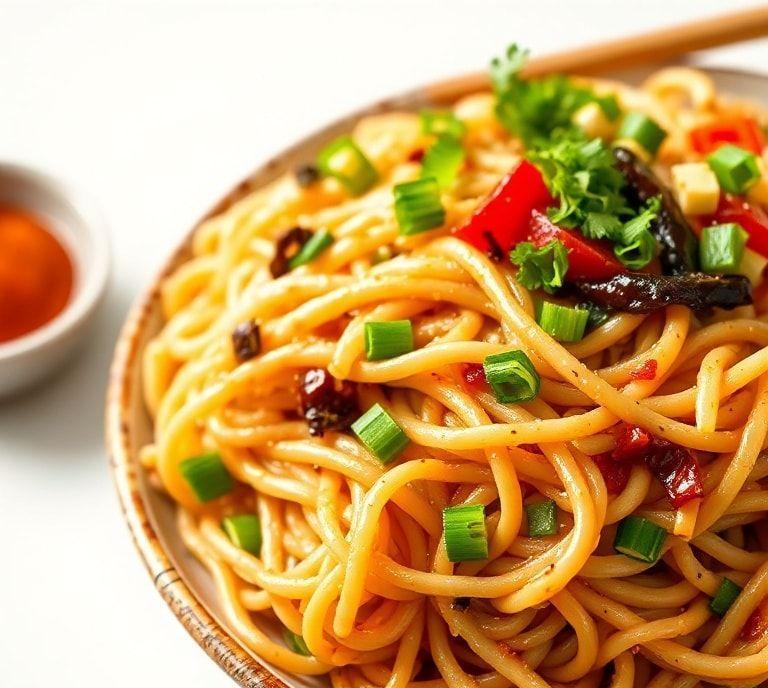
Yakisoba, in its traditional form, typically features pork or chicken as its protein, but this vegetarian version brings a burst of fresh veggies and plant-based protein to the table, while still staying true to the dish’s savory soul. Think of it as a vegetable stir-fry with a tangy, slightly sweet sauce and chewy noodles that carry all the goodness of the ingredients.
I’ve made this recipe countless times, and every time, I’m struck by how easy it is to prepare and how satisfying it is to eat. And when it’s all cooked up, you’ll be left with a mouthwatering, veggie-packed dish that’s both healthy and comforting. No compromise on flavor-just plant-based goodness in every bite.
Ingredients Needed
Before diving into the cooking, it’s crucial to have everything ready. You’ll need:
- Yakisoba noodles (or ramen noodles): These are the heart and soul of the dish. They’re usually available in most grocery stores, especially in the Asian foods section. You can also use other stir-fry noodles if needed, but yakisoba noodles have that perfect chewy texture.
- Vegetables: The beauty of yakisoba lies in the flexibility of the veggies you can use. A standard mix includes cabbage (the unsung hero), carrots, and bell peppers. But feel free to toss in any veggies you have around, such as mushrooms, zucchini, or even some spinach for added greens.
- Tofu (or tempeh, if preferred): To replace meat, tofu provides that satisfying texture and protein. Firm tofu works best here, and it’s easy to cube and crisp up for that extra crunch.
- Soy sauce: This is the base of the sauce, providing the dish with that salty, umami flavor.
- Worcestershire sauce: A secret ingredient that adds a tangy, slightly sweet kick to balance out the soy sauce. It’s not common in every yakisoba recipe, but trust me, it takes the flavor to the next level.
- Oyster sauce (vegetarian or mushroom-based): Adds richness and depth to the overall flavor. If you’re vegan, look for a vegetarian version.
- Rice vinegar: Just a splash for some acidity to cut through the richness of the sauces.
- Ginger and garlic: Fresh ginger and garlic bring that aromatic depth and fragrance that’s key to yakisoba’s character.
- Sesame oil: A drizzle at the end for a little bit of nuttiness and that signature Asian flavor.
- Sesame seeds (optional, for garnish): I like to sprinkle these on top for a little extra crunch and visual appeal.
Cooking Instructions
The cooking process is where the magic happens. Don’t worry if you haven’t made yakisoba before-it’s incredibly forgiving, and you’ll be surprised by how quickly it comes together. Here’s how you do it:
- Prepare the noodles: If you’re using fresh yakisoba noodles, give them a quick rinse under hot water to separate them. If using dry noodles, follow the package instructions. You want them al dente, with a bit of texture.
- Prep the veggies and tofu: Thinly slice the cabbage, julienne the carrots, and slice the bell peppers into strips. Cube your tofu into bite-sized pieces.
- Cook the tofu: Heat a tablespoon of sesame oil in a large pan or wok over medium-high heat. Add the tofu and cook until golden and crispy on all sides. Remove and set aside.
- Stir-fry the veggies: In the same pan, toss in the garlic and ginger and sauté for about a minute. Then, add the cabbage, carrots, and bell peppers. Stir-fry for 4-5 minutes, until the veggies are tender but still have a slight crunch.
- Combine the noodles and tofu: Add the noodles to the pan with the vegetables, followed by the cooked tofu. Pour in the soy sauce, Worcestershire sauce, and a dash of rice vinegar. Stir everything together, ensuring the noodles are evenly coated in the sauce.
- Finish with sesame oil: Drizzle a little more sesame oil for that extra depth of flavor. Toss everything together for a minute or two until everything is heated through.
- Garnish and serve: Serve your yakisoba hot, garnished with sesame seeds and maybe a sprinkle of green onions for an extra pop of freshness.
Ingredient Science Spotlight
Here’s where it gets interesting: each ingredient in yakisoba serves a specific purpose, both for flavor and texture.
- Soy sauce is the backbone of the sauce, contributing its salty umami, which is the cornerstone of Japanese cooking. It has a high glutamate content, which activates our umami taste receptors and adds that ’savory’ depth that makes us crave it.
- Ginger and garlic are aromatic powerhouses that bring a fragrant warmth to the dish. Garlic contains sulfur compounds that break down into potent flavor molecules when cooked, while ginger has compounds called gingerols that bring both a sharpness and a mellow heat to the dish.
- Tofu provides a substantial protein base and a neutral flavor that lets the sauces shine. When cooked properly, it takes on a golden crispiness on the outside while remaining soft and tender inside. This contrast in texture is one of the joys of yakisoba.
- Sesame oil contains antioxidants and healthy fats, and its nutty flavor pairs beautifully with the other ingredients. It’s the finishing touch that gives the dish its signature taste.
Expert Tips
- Crisp the tofu: For the best texture, make sure to press the tofu before cooking it to remove excess water. The less water, the crispier the tofu will get when pan-fried.
- Don’t overcrowd the pan: If you’re making a larger batch, it’s better to stir-fry in batches rather than overcrowding the pan. This ensures that everything gets a nice sear and cooks evenly.
- Use high heat: Stir-fry dishes like yakisoba are all about quick cooking. Make sure your pan is hot enough to sear the vegetables and tofu, which keeps them from becoming soggy.
- Customize the sauce: Play around with the balance of soy sauce, Worcestershire sauce, and vinegar to get the flavor profile you like best. If you prefer a sweeter version, you can add a teaspoon of sugar or a splash of maple syrup.
Recipe Variations
One of the best things about yakisoba is how easily it can be adapted. Here are a few ideas to mix things up:
- Noodles: If you can’t find yakisoba noodles, you can substitute with ramen noodles, udon noodles, or even rice noodles. Each will provide a different texture but still work great in the stir-fry.
- Veggie options: You can add or swap any veggies you like. Broccoli, snow peas, or baby corn make excellent additions. Experiment with whatever is in season or whatever you have in your fridge.
- Sauce variation: Swap the Worcestershire sauce for a little hoisin sauce for a sweeter version, or add some chili paste for a bit of heat. It’s a fun way to personalize the dish!
- Vegan twist: If you’re vegan, make sure to use a vegan Worcestershire sauce (or just leave it out entirely) and opt for a plant-based oyster sauce.
Final Words
Yakisoba is one of those dishes that’s perfect for both beginners and seasoned cooks alike. It’s a forgiving recipe, one that encourages creativity while still delivering a punch of flavor every time. It’s also great for meal prep, as the flavors only deepen the next day. The blend of savory, tangy, and slightly sweet sauces paired with crisp vegetables and chewy noodles is something I never get tired of.
FAQs
What Ingredients Are Typically Used In A Vegetarian Yakisoba Recipe?
A vegetarian yakisoba recipe generally includes yakisoba noodles (wheat-based stir-fry noodles), a variety of fresh vegetables such as cabbage, carrots, bell peppers, and mushrooms, and plant-based protein options like tofu or tempeh. The sauce is usually made from a combination of soy sauce, Worcestershire-style sauce (vegetarian version), mirin, and sometimes ketchup or oyster sauce alternatives. Additional flavorings may include garlic, ginger, sesame oil, and green onions.
Can I Make Vegetarian Yakisoba Gluten-free?
Yes, you can make vegetarian yakisoba gluten-free by using rice noodles or a certified gluten-free yakisoba noodle. Make sure to choose gluten-free soy sauce and Worcestershire sauce alternatives. Most vegetables and plant-based proteins are naturally gluten-free, but always check packaged sauces and condiments to ensure they don’t contain hidden gluten ingredients.
How Can I Enhance The Flavor Of Vegetarian Yakisoba Without Meat?
To enhance flavor without meat, you can use a combination of umami-rich ingredients such as mushrooms, soy sauce, miso paste, or nutritional yeast. Adding aromatics like garlic, ginger, and green onions during stir-frying also boosts depth. Toasted sesame oil or sesame seeds can provide a nutty aroma, while pickled ginger or a squeeze of lime juice before serving can add brightness. Stir-frying at high heat ensures that vegetables retain texture and absorb the sauce fully.