Food has always been one of the things that connects us to our roots. Whether it’s a dish passed down through generations, or one discovered during a memorable trip, it tells a story. That’s exactly what happened when I first tried a vegetarian étouffée. Growing up, I didn’t even know that étouffée could be made without meat-it was all about shrimp or crawfish. But, over time, I came to realize how versatile this Louisiana classic could be. One lazy Sunday afternoon, I decided to give it a go-minus the meat-and the result was nothing short of spectacular.
For me, food isn’t just about eating; it’s about creating an experience, one bite at a time. And, let me tell you, this vegetarian étouffée is just that. It’s rich, flavorful, and full of that signature Creole kick, minus any animal products. Whether you’re a seasoned vegetarian or just looking for a delicious dish to spice up your week, this recipe is bound to satisfy your cravings.
Vegetarian Étouffée Recipe
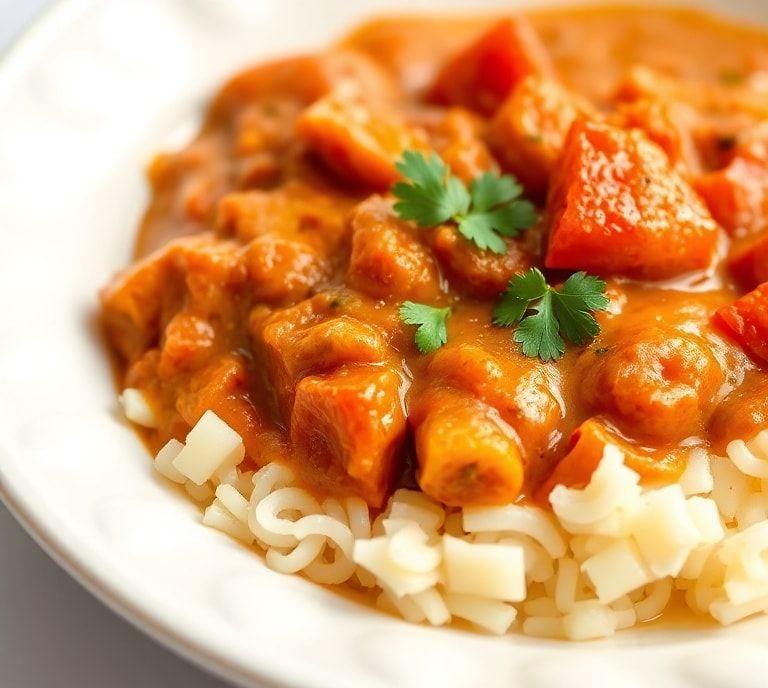
Étouffée, which literally means "smothered," is a dish that typically involves seafood or poultry, cooked down in a thick, flavorful sauce with vegetables and served over rice. It’s one of those meals that feels like a warm hug in a bowl. Now, imagine recreating all that comfort, minus the seafood or meat, and infusing it with the deep, smoky flavors of the Creole kitchen. That’s exactly what this vegetarian version does.
You won’t miss the shrimp or chicken one bit because the heart of étouffée lies in its rich roux and aromatic vegetables. This vegetarian version uses hearty mushrooms as a substitute, but it’s the technique and seasoning that make the dish shine.
Ingredients Needed
Here’s what you’ll need to make your vegetarian étouffée come to life:
Vegetables
- Onion – A classic base in Creole cooking. It provides sweetness and depth.
- Green Bell Pepper – Adds crunch and that essential Creole flavor.
- Celery – A must-have to round out the classic “holy trinity” of Creole cooking.
- Mushrooms – For that hearty, umami texture that replaces the seafood. Cremini or button mushrooms work best.
- Garlic – To boost flavor and aroma.
Seasonings & Liquids
- Vegetable Broth – Use a rich, flavorful broth to create that signature sauce. It’s the soul of the dish.
- Canned Tomatoes – A little acidity to balance out the richness.
- Bay Leaves – For an earthy aroma and that slow-cooked depth of flavor.
- Cayenne Pepper – Bring on the heat! Adjust this depending on how spicy you like it.
- Paprika – A smoky complement to the cayenne.
- Thyme – For a herby background note that plays beautifully with the other flavors.
- Old Bay Seasoning – A must for an authentic Creole flavor. If you don’t have it, use a mix of paprika, celery salt, and a pinch of thyme.
Roux (the Heart Of The Dish)
- Flour – This is the base for the roux, which gives the étouffée its thick texture.
- Vegetable Oil – For making the roux. The oil and flour cook together to form a base for your sauce.
Garnishes & Rice
- Parsley – Fresh parsley adds brightness and color to the finished dish.
- Steamed Rice – The perfect base to soak up all that flavorful sauce. I love using jasmine or basmati for a bit of fragrance.
Cooking Instructions
Now, let’s dive into making this dish. It’s simpler than you might think, though it might take a little time (mostly waiting for that roux to come together just right).
- Make the Roux: Start by heating a large pot over medium heat and adding the oil. Once hot, whisk in the flour. Keep stirring constantly to avoid burning, and cook for about 10-15 minutes, or until the roux turns a rich, dark brown-this is the key to getting that deep flavor.
- Add the Vegetables: Toss in the onions, bell peppers, celery, and garlic into the pot. Cook for about 5 minutes until the vegetables soften and become aromatic. The smell will remind you of being in a bustling Creole kitchen.
- Cook the Mushrooms: Add the mushrooms and let them cook down, releasing their moisture. Stir them around to make sure they brown and absorb all the flavors from the roux. It might seem like a lot of mushrooms, but they shrink down and take on a rich, meaty texture.
- Add the Liquids: Now, pour in the vegetable broth and tomatoes, and stir to combine. Add in the bay leaves, thyme, cayenne, paprika, and Old Bay. Let this simmer gently for about 25-30 minutes, stirring occasionally. The sauce should thicken up beautifully, and the flavors will start to meld.
- Final Touches: Once the sauce has thickened, taste and adjust the seasoning if needed-add more cayenne if you want heat, more salt if necessary. Remove the bay leaves, and serve the étouffée over a bed of warm rice. Garnish with freshly chopped parsley.
Ingredient Science Spotlight
There’s a lot more to the ingredients in this dish than meets the eye. Let’s take a deeper look:
- Roux: The roux is the backbone of the dish, and it’s all about the Maillard reaction. When the flour and oil cook together, they undergo a chemical transformation that deepens the flavor of the dish, providing that rich, toasty base.
- Mushrooms: They’re the unsung heroes of this dish. Mushrooms have an umami-rich flavor, which makes them a perfect substitute for the seafood that typically goes into étouffée. When they cook down, they release their natural sugars and take on a rich, savory flavor.
- Spices: The combination of cayenne, paprika, and thyme is classic for good reason. Cayenne provides the heat that makes your mouth tingle, while paprika adds a smokiness. Thyme brings a subtle earthiness that balances everything out.
Expert Tips
- Patience with the Roux: Don’t rush it! The darker the roux, the deeper the flavor. It might take some time, but it’s worth it.
- Use a Heavy Pot: A thick-bottomed pot ensures even heat distribution, which is important when making the roux and simmering the sauce.
- Don’t Skip the Garnishes: A sprinkle of fresh parsley can brighten up the dish and add a pop of color.
- Adjust the Heat: Some people like their étouffée with a real kick, while others prefer a milder heat. Adjust the cayenne pepper and Old Bay seasoning to your personal spice tolerance.
- Make Ahead: Étouffée actually tastes even better the next day as the flavors have more time to develop. So, if you’re planning a big dinner, make it in advance!
Recipe Variations
- Vegetables: While mushrooms are the classic choice here, you could use other hearty vegetables like zucchini, eggplant, or even lentils for added protein.
- Spicy Sausage Substitute: If you miss the savory, spicy flavor of sausage, you can add plant-based sausage or tempeh. Slice it thin and let it brown with the vegetables.
- Coconut Milk: For a twist, you could add a splash of coconut milk near the end of cooking for a creamier, slightly sweeter étouffée. It adds an unexpected richness and complexity.
- Herb Swap: If you’re not a fan of thyme, try using oregano or basil for a different kind of herbal note.
Final Words
This vegetarian étouffée isn’t just a replacement for the traditional meat-filled version. It’s a celebration of the flavors of Louisiana, made even more vibrant by the use of fresh vegetables and spices. Each bite is a reminder that comfort food doesn’t need to come from animal products to be satisfying. Whether you’re sitting down for a family dinner or making a pot to enjoy for the week, this dish brings the warmth and heart of Creole cooking to your table.
FAQs
What Is Vegetarian Etouffee And How Is It Different From Traditional Etouffee?
Vegetarian etouffee is a plant-based version of the traditional Cajun and Creole dish ’etouffee’, which typically features shrimp, crawfish, or other shellfish as the main protein. The vegetarian version substitutes these proteins with vegetables, often using ingredients like mushrooms, bell peppers, and zucchini, while maintaining the rich, flavorful base of the dish made with a roux, celery, onions, and spices. The key difference lies in the absence of meat or seafood, but the dish still delivers a similar depth of flavor through the use of seasonings and aromatic vegetables.
Can I Use Any Vegetables For A Vegetarian Etouffee Recipe?
While traditional etouffee relies on seafood, a vegetarian version can incorporate a variety of vegetables to provide texture and flavor. Common choices include mushrooms (such as cremini, portobello, or oyster), bell peppers, okra, zucchini, and tomatoes. Root vegetables like sweet potatoes or carrots can also be used for added depth. The key is to balance the flavors and textures, ensuring that the vegetables complement the dish’s rich, spicy roux and seasoning.
What Can I Use As A Substitute For The Roux In A Vegetarian Etouffee Recipe?
The roux is an essential part of an etouffee, providing thickness and flavor. For a vegetarian etouffee recipe, the traditional roux made with butter and flour can be easily made with plant-based alternatives. Use olive oil or vegan butter in place of the butter, and combine it with flour to create the roux. If you’re avoiding gluten, you can substitute the flour with a gluten-free alternative, such as rice flour or cornstarch, though the consistency may differ slightly. The key is to cook the roux until it’s golden and aromatic to develop the deep flavors characteristic of the dish.