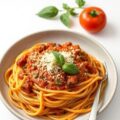
There’s something undeniably comforting about a homemade pasta sauce simmering on the stove. The fragrance fills your kitchen, wrapping you in warmth, while the rich red hue of tomatoes slowly transforms into a vibrant, silky sauce. But what really makes a great pasta sauce? It’s not just the tomatoes – it’s the balance of flavors, the careful simmering, and the little touches that make it your own. Today, I’m going to walk you through one of my all-time favorite recipes: a simple yet stunning vegetarian tomato pasta sauce that’s bursting with fresh, natural flavors. Whether you’re a lifelong vegetarian or just craving a lighter meal, this sauce is the perfect foundation for everything from spaghetti to stuffed shells.
Now, I’ve been making pasta sauce for as long as I can remember. As a kid, it was a family tradition to have spaghetti once a week, usually on a Sunday night. I used to watch my mom stir a big pot of sauce, tasting it, adjusting it, and adding ingredients until it was just right. That sense of care and patience is something I carry into my cooking today. It’s a process that requires attention, but the reward is always worth it. So, let’s dive in.
Vegetarian Tomato Pasta Sauce Recipe
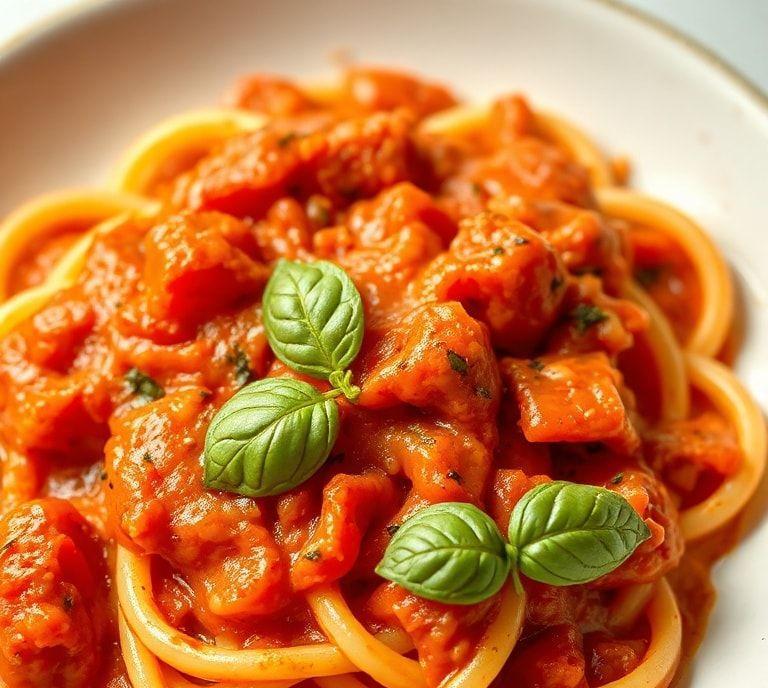
This vegetarian tomato pasta sauce is the perfect balance of rich, tangy tomatoes, aromatic herbs, and a touch of sweetness. What I love about it is that it’s simple, yet sophisticated, and it relies on just a few ingredients. It’s a sauce you can make in the middle of a busy week, or let it simmer for hours on a lazy Sunday afternoon.
Ingredients Needed
You won’t need much for this recipe. The ingredients are the backbone of what makes the sauce so great. Here’s what you’ll need:
- Olive oil (2 tablespoons): The base of your sauce, adding richness and helping to sauté the aromatics.
- Garlic (4-5 cloves, minced): Garlic is essential to any good pasta sauce, bringing depth and a bit of sharpness.
- Onion (1 medium, diced): The sweetness of onions rounds out the sauce’s flavor profile.
- Canned whole tomatoes (2 cans, 28 oz each): Good quality tomatoes are key. San Marzano tomatoes are ideal because of their natural sweetness and low acidity.
- Fresh basil (a handful, chopped): Basil is the herb that makes a pasta sauce feel fresh and alive.
- Dried oregano (1 teaspoon): A touch of oregano adds earthy warmth.
- Salt and pepper (to taste): Essential for seasoning and bringing all the flavors together.
- A pinch of sugar (optional): This is to balance the acidity of the tomatoes. If your tomatoes are particularly tangy, a pinch of sugar does wonders.
- Red wine (optional) (1/4 cup): A splash of red wine can add depth, but if you prefer to skip it, the sauce will still be delicious.
Cooking Instructions
- Prep the Aromatics: Heat the olive oil in a large pot over medium heat. Once it’s shimmering, add the diced onions and sauté for about 5 minutes, or until they’re soft and translucent. Add the garlic and cook for another 30 seconds, just until fragrant. At this point, your kitchen will already start smelling amazing.
- Add the Tomatoes: Now, open those cans of tomatoes. I always crush the tomatoes by hand as I add them to the pot – I love the texture it gives the sauce. If you prefer a smoother sauce, you can blend them before adding them to the pot, or use a potato masher as they cook. Stir the tomatoes in with the onions and garlic, and let everything cook together for a couple of minutes.
- Simmer: Lower the heat to a simmer, and let the sauce cook uncovered for about 30 minutes. You’ll want it to thicken, and the flavors to meld. Stir occasionally, and if the sauce gets too thick, add a splash of water or broth.
- Season: Add the dried oregano, fresh basil, salt, pepper, and sugar. Taste it. Does it need a bit more salt? A little more sugar to balance the acidity? This is your chance to adjust the flavor to suit your taste.
- Final Touch: If you’re using red wine, pour it in now. Let the sauce simmer for another 5 minutes, allowing the wine to reduce and infuse its flavor into the sauce.
- Serve: Once the sauce has thickened and the flavors have melded together, you’re done! Toss it with your favorite pasta (I’m partial to spaghetti or penne), and enjoy.
Ingredient Science Spotlight
There’s an art to creating a balanced sauce, and understanding the science behind the ingredients can make all the difference. Let’s break it down a bit:
- Tomatoes: The backbone of any tomato-based sauce. Tomatoes contain natural sugars, acids, and umami compounds. When cooked, their natural sugars break down and caramelize, creating a rich sweetness. This is why I always recommend letting the sauce simmer for a good while – it helps concentrate those sugars. The acidity, on the other hand, is what gives the sauce its bright, tangy bite, but sometimes that’s a bit much. The pinch of sugar helps balance this out, rounding the flavor without making the sauce sweet.
- Olive Oil: This isn’t just a cooking fat – it’s an ingredient that adds both richness and depth of flavor. Olive oil helps the garlic and onion release their essential oils, which carry a lot of the aromatic qualities you taste in the sauce. And those healthy fats? They help dissolve and carry the flavors of the tomatoes and herbs.
- Garlic and Onion: Both garlic and onion are full of natural sugars, which caramelize during the cooking process, contributing to the sauce’s overall sweetness. Garlic also has sulfur compounds that become sweeter as they cook, adding to the depth of flavor.
- Basil and Oregano: These herbs have essential oils that release as they cook, infusing the sauce with their distinct aromas. Basil’s natural sweetness and oregano’s earthy, peppery flavor play off the acidity of the tomatoes to create a harmonious balance.
Expert Tips
- Don’t Rush the Simmer: Give your sauce time to develop. Let it simmer for at least 30 minutes, preferably longer. The longer you let the sauce cook, the more concentrated the flavors will become. If you’re making it ahead of time, it actually gets better after a day or two in the fridge.
- Use High-Quality Tomatoes: Not all canned tomatoes are created equal. Look for San Marzano tomatoes if you can. They’re naturally sweeter and less acidic, which makes a big difference in the flavor of your sauce.
- Adjust Seasonings as You Go: Don’t be afraid to taste and tweak the seasoning. A little more salt, a pinch of red pepper flakes, or a dash of balsamic vinegar can transform the sauce and give it that perfect edge.
- Add a Touch of Butter: If you’re feeling indulgent, stirring in a tablespoon or two of butter at the end of cooking will add a velvety richness to the sauce.
Recipe Variations
- Spicy Tomato Sauce: If you like a little heat, add a pinch of red pepper flakes when you sauté the garlic and onion. You can also stir in a chopped fresh chili or two for a more intense kick.
- Creamy Tomato Sauce: For a creamy twist, stir in 1/2 cup of heavy cream at the end of cooking. This creates a velvety, smooth texture and softens the acidity of the tomatoes.
- Roasted Tomato Sauce: For a deeper flavor, try roasting your tomatoes first. Cut them in half, drizzle with olive oil, and roast them at 400°F for about 25-30 minutes. Then, blend them and add to your sauce base.
- Herb Variations: While basil and oregano are traditional, you can experiment with different herbs. Thyme, rosemary, or even a bit of bay leaf can add unique flavors to the sauce.
Final Words
This vegetarian tomato pasta sauce is one of those recipes that feels like a hug in a bowl. It’s simple, it’s comforting, and it’s always a hit. And the best part is that it can be customized to your taste. Whether you like it spicy, creamy, or extra fresh with herbs, you can make it your own.
FAQs
Can I Use Fresh Tomatoes Instead Of Canned Tomatoes For A Vegetarian Tomato Pasta Sauce?
Yes. Fresh tomatoes work well if they are ripe and flavorful. Blanch them to remove the skins, then chop and cook them down longer than canned tomatoes to achieve a similar thickness and richness.
How Can I Make The Sauce Thicker Without Adding Cream Or Cheese?
Simmer the sauce uncovered to allow excess water to evaporate, or add a small amount of tomato paste for extra body. You can also blend part of the sauce to improve thickness while keeping it fully vegetarian.
What Vegetables Or Herbs Pair Best With A Vegetarian Tomato Pasta Sauce?
Common additions include onions, garlic, carrots, celery, spinach, mushrooms, and bell peppers. Herbs such as basil, oregano, thyme, and parsley complement the tomato base and enhance overall flavor.