I still remember the first time I decided to make a vegetarian duck. It was the early days of my transition to a plant-based diet, and I was craving something familiar-a dish that would satisfy my love for rich, savory flavors but without any of the animal products. Enter vegetarian duck. If you haven’t tried it yet, let me tell you: it’s an experience.
For many of us, duck is one of those iconic dishes that we grew up with-whether it was in fancy restaurants for a celebratory meal or the comforting familiarity of home-cooked dishes. But when I began exploring plant-based alternatives, I realized that the rich, umami flavor of duck could be recreated using thoughtful ingredients, clever preparation, and a dash of creativity. This dish might not replace the real thing for everyone, but it’s pretty close, and it has a life of its own.
Vegetarian duck isn’t just about filling a gap in the culinary world for plant-based eaters; it’s about crafting something entirely new. A veggie-based roast that can be seasoned to perfection, stuffed, and carved, just like the classic version. If you’re curious about the method, the flavor, or the process of making this dish, I’ve got you covered.
Vegetarian Duck Recipe
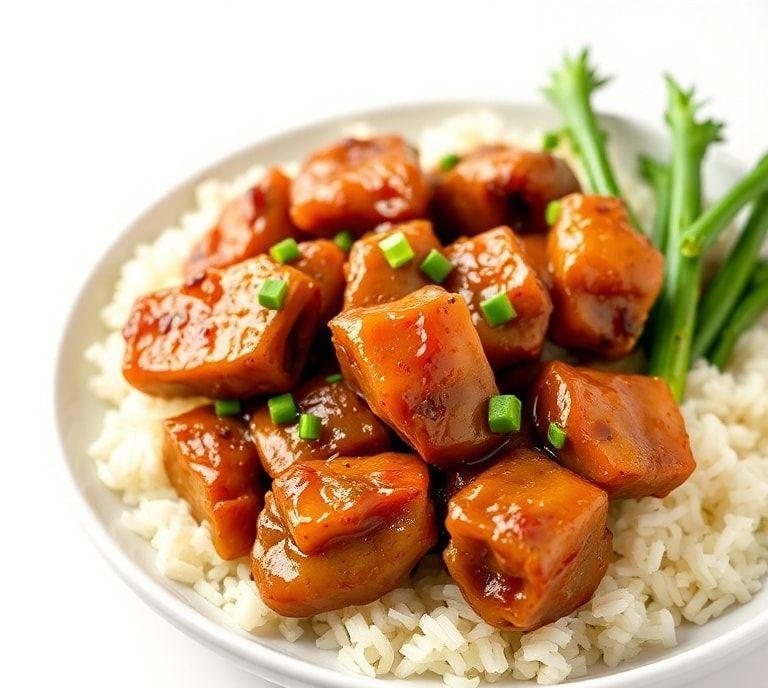
There’s something quite special about the texture of vegetarian duck. It’s all about that perfect balance between crispy skin and tender, succulent inside. And while it doesn’t involve plucking any feathers or worrying about bones, the results can be just as impressive. The key is using the right plant-based substitutes and seasonings to mimic the depth and richness of traditional duck.
The ingredients that replace the meat in vegetarian duck are typically a combination of seitan, tofu, or even jackfruit, depending on your preference. This particular recipe focuses on using a rich, savory seitan base with additional textures layered in for a complexity that’s familiar yet new. With the right spices, you’ll find yourself smiling with satisfaction at the first bite.
Ingredients Needed
- Seitan (Vital Wheat Gluten) – Seitan is going to be the star of the show here. Its chewy, meat-like texture makes it the perfect stand-in for duck. When prepared properly, it absorbs all the delicious flavors around it.
- Tofu – Soft tofu helps with moisture and tenderness, which is essential to replicate the mouthfeel of duck meat.
- Mushrooms – You’ll need some mushrooms for the umami, which adds a deep, savory richness to the dish.
- Soy Sauce – This is your salty, umami bomb that’s going to infuse the seitan and tofu with flavor.
- Five-Spice Powder – This Chinese spice blend is absolutely essential. Its combination of cinnamon, cloves, fennel, star anise, and Sichuan peppercorns brings that unmistakable aroma and flavor that we associate with duck.
- Rice Vinegar – For a little tang to balance out the richness of the other ingredients.
- Maple Syrup or Brown Sugar – A touch of sweetness to balance all the savory flavors. Duck often has a slightly sweet glaze, and this is where that comes in.
- Garlic and Ginger – These are your aromatic bases, lending sharpness and warmth to the dish.
- Vegetable Broth – Used for steaming or poaching, this adds flavor and moisture to the vegetarian duck.
- Vegetable Oil – For that crispy skin finish, you’ll need a high-heat oil like sunflower or grapeseed oil.
Cooking Instructions
- Prepare the Seitan: Start by combining the vital wheat gluten with water and soy sauce to form a dough. Knead it for about 5 minutes, then divide the dough into small pieces. For a richer flavor, add your spices, including five-spice powder, garlic powder, and a bit of salt to the dough before kneading.
- Steam the Seitan: Place the seitan pieces in a steamer basket over boiling water. Cover with a lid and steam for about 30 minutes. This process will help to firm up the seitan and give it that meaty texture we’re going for.
- Prepare the Tofu: While the seitan is steaming, crumble the tofu and sauté it in a bit of oil with minced garlic and ginger. Add soy sauce and rice vinegar to the tofu mixture, and cook it for about 10 minutes until it’s slightly crispy and golden brown.
- Create the Filling: Combine the cooked tofu with finely chopped mushrooms. The mushrooms should be sautéed in a pan with oil, soy sauce, and five-spice powder. This mixture will form the heart of your “duck”, giving it depth and texture.
- Assemble the Duck: Once the seitan has steamed, take it out and carefully shape it into a ’duck’ form. If you want the traditional look, you can mold it into a whole bird shape, or simply form it into a log-like shape. Stuff the seitan with your tofu-mushroom mixture, ensuring it’s packed tightly for structure.
- Crisp the Skin: Heat some vegetable oil in a frying pan. Gently fry the assembled vegetarian duck until it’s golden brown and crispy on all sides. This step is where you get that satisfying crunch, mimicking the skin of roasted duck.
- Glaze the Duck: Mix maple syrup or brown sugar with soy sauce and five-spice powder to make a glaze. Brush the glaze over the seitan duck and cook it for a few more minutes to let the glaze caramelize and form a beautiful, shiny coating.
- Serve: Once crispy and golden, remove the vegetarian duck from the pan and let it rest for a few minutes before slicing. Serve with steamed vegetables, rice, or even in wraps, as you would with traditional duck.
Ingredient Science Spotlight
Each ingredient in this dish plays a crucial role in mimicking the richness and complexity of duck. Seitan, for instance, is packed with protein and takes on flavors well due to its dense, chewy texture. When steamed, it becomes firmer and more “meaty”, which is why it’s the perfect choice to replicate the texture of duck.
Tofu, with its ability to absorb flavors, helps balance out the seitan’s richness, adding moisture and softness to the dish. The mushrooms bring in a savory, earthy depth, creating that umami-packed experience that’s so important in duck-based dishes. The five-spice powder is the real magic here, creating the fragrant, aromatic profile that we associate with duck skin.
Together, these ingredients form a dish that is far more than just an imitation of a classic. It becomes something unique, something satisfying in its own right.
Expert Tips
- Perfect Texture: When making seitan, the kneading process is important. Don’t rush it! Kneading for at least 5 minutes gives the gluten strands the chance to form properly, ensuring that the texture is firm and chewy.
- Seasoning is Key: Because seitan and tofu are relatively neutral in flavor, don’t be shy with your spices. It’s the bold seasoning that makes the dish stand out and brings it to life.
- Crisp it Right: When frying your vegetarian duck, make sure your oil is hot enough. If it’s not, the skin won’t crisp up properly. A sizzling sound when the duck hits the oil is your cue.
Recipe Variations
- Duckless: If you’re not a fan of seitan, feel free to swap it out for jackfruit. The texture is more shredded, but with the right spices and a good glaze, it works surprisingly well.
- Gluten-Free: You can make this recipe gluten-free by using tofu as the main ’duck’ base and using rice flour for the crispy coating instead of seitan. The flavor profile won’t be identical, but it’ll still be delicious.
- Stuffing Options: Instead of the tofu-mushroom mixture, feel free to experiment with other fillings, like roasted root vegetables, chestnuts, or even a sweet-and-sour fruit stuffing.
Final Words
I don’t want to say this vegetarian duck is a total replacement for traditional duck-there’s something undeniably special about the real deal. But this plant-based version brings its own kind of magic to the table. Whether you’re a seasoned plant-based eater or just trying to find a new twist on your holiday meals, this dish is one that will impress.
It’s a recipe that tells a story-a story of transformation and creativity in the kitchen, of finding new ways to enjoy familiar flavors, and of making something just as good as (if not better than) the original.
FAQs
What Ingredients Are Typically Used In A Vegetarian Duck Recipe?
A vegetarian duck recipe usually relies on plant-based alternatives to mimic the texture and flavor of duck. Common ingredients include seitan or tofu for a meat-like texture, soy sauce, hoisin sauce, five-spice powder, ginger, garlic, and vegetable broth for flavor. Optional ingredients like mushrooms, chestnuts, or bamboo shoots can be added to enhance the richness and authenticity of the dish.
How Can I Achieve A Crispy Skin Effect In A Vegetarian Duck Recipe?
To create a crispy exterior similar to duck skin, many recipes use a combination of techniques. For tofu or seitan, lightly coating the surface with oil and baking or pan-frying at high heat helps achieve a golden, crisp layer. Some recipes suggest brushing with a mixture of soy sauce, maple syrup, or hoisin sauce to caramelize the outer layer, adding both color and flavor while retaining moisture inside.
Can A Vegetarian Duck Recipe Be Prepared In Advance And Reheated?
Yes, vegetarian duck recipes can often be prepared ahead of time. After cooking, allow the dish to cool completely, then store it in an airtight container in the refrigerator for up to 3 days. Reheating can be done in an oven or skillet to maintain the texture, ideally at a moderate temperature to avoid drying out the plant-based protein. Sauces can be reheated separately and poured over just before serving.