Let me take you on a journey to a little corner of my kitchen, where comfort and sophistication coexist. There’s something magical about turning simple, fresh ingredients into something vibrant and full of flavor. As someone who loves creating dishes that make you pause and appreciate the beauty in food, I’ve come to learn that vegetarian recipes don’t need to be boring. In fact, they can be just as rich, complex, and satisfying as any meat-heavy meal.
Today, I’m excited to share a recipe for a Gourmet Roasted Butternut Squash and Sage Risotto. It’s a cozy, heartwarming dish that feels like a luxury but is incredibly simple to prepare. The depth of flavors from the roasted squash, the warmth of sage, and the creaminess of the risotto will transport you to the kind of dinner that lingers long after the meal is over.
Gourmet Vegetarian Recipe
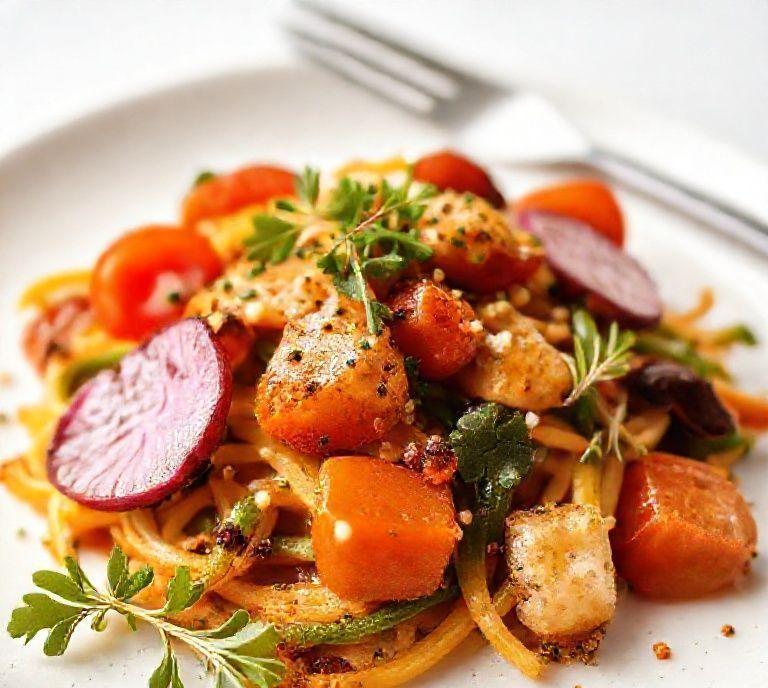
Now, let’s talk about what makes this risotto so special. The butternut squash is roasted until it caramelizes slightly, which brings out a natural sweetness that balances perfectly with the savory flavors of the sage and the umami notes from the Parmesan cheese. Risotto, with its creamy texture and slow-cooked rice, forms the perfect base for this seasonal dish. The entire process feels meditative-the stirring, the slow infusion of stock, and the anticipation as the flavors meld together.
It’s a dish that invites you to slow down, embrace the moment, and enjoy the process. There’s something uniquely satisfying about the rhythm of stirring and tasting as you go, tweaking flavors to perfection. This isn’t just cooking; it’s an experience.
Ingredients Needed
To make this roasted butternut squash and sage risotto, you’ll need the following ingredients:
- 1 small butternut squash, peeled and cubed
- 2 tablespoons olive oil
- 1 small onion, finely diced
- 2 cloves garlic, minced
- 1 ½ cups Arborio rice
- 1 cup dry white wine (optional, but highly recommended for depth of flavor)
- 4 cups vegetable stock, kept warm
- ½ cup grated Parmesan cheese (plus extra for serving)
- 1 tablespoon fresh sage, chopped
- Salt and pepper, to taste
- 1 tablespoon butter (for finishing)
- Fresh thyme (optional, for garnish)
Cooking Instructions
Roasting The Squash
Preheat your oven to 400°F (200°C). Start by tossing the cubed butternut squash in olive oil, salt, and a pinch of pepper. Lay the cubes out on a baking sheet in a single layer, and roast for about 25-30 minutes, flipping halfway through. The squash should be tender with some caramelization at the edges. That little bit of char is where the magic happens-it brings out the sweetness and a rich, roasted flavor.
Preparing The Risotto Base
While the squash roasts, heat a tablespoon of olive oil in a large, deep skillet or Dutch oven over medium heat. Add the diced onion and cook for about 5 minutes until softened and translucent. Add the garlic and sage, stirring for another minute until fragrant.
Toasting The Rice
Add the Arborio rice to the pan and stir to coat it in the oil and onion mixture. Toast the rice for about 2-3 minutes, allowing it to become lightly golden. This step is essential for developing the creamy texture that defines risotto.
Deglazing With Wine (Optional But Recommended)
Pour in the white wine, allowing it to cook down and absorb into the rice. You’ll notice that the rice will soak up all the liquid. At this point, it’s important to stir occasionally so the rice doesn’t stick to the pan.
Adding Stock
Begin adding the warm vegetable stock, one ladle at a time, stirring frequently. Each time the liquid is absorbed, add more stock. This process will take about 20-25 minutes, so patience is key. Taste as you go-risotto is all about the texture, which should be creamy but with just a bit of bite left in the rice.
Finishing The Risotto
Once the risotto is almost done (the rice should be creamy and al dente), stir in the roasted butternut squash. Then, mix in the butter and Parmesan cheese, and season with salt and pepper to taste. The butter adds a touch of richness, and the Parmesan gives it that perfect savory depth.
Serve And Garnish
Serve the risotto in bowls, topped with extra Parmesan and a sprinkle of fresh thyme, if desired. A drizzle of olive oil for extra smoothness wouldn’t hurt either.
Ingredient Science Spotlight
There’s something special about each of the ingredients in this dish, but let’s zoom in on the butternut squash. It’s a fall favorite, and its sweetness comes from the natural sugars in the vegetable, which caramelize when roasted at high heat. This caramelization process-called the Maillard reaction-creates complex flavors, giving the squash a nutty, almost earthy taste. It’s the kind of thing you can’t rush. The slower you roast it, the more flavor you unlock. And when it’s paired with the savory, herby notes of sage, you get a beautiful contrast of flavors that’s warming without being overwhelming.
Sage, too, is an unsung hero here. It’s a herb that can be bold, but when it’s fried gently in olive oil or butter, it becomes delicate, fragrant, and slightly crispy, adding texture and that earthy, almost peppery undertone that makes this dish sing.
Expert Tips
- The Stirring Technique: Stirring your risotto regularly isn’t just for even cooking-it helps release the starch in the rice, which gives risotto its signature creamy texture. However, don’t stir too aggressively, or you’ll break the grains of rice, and it won’t have the right consistency.
- Stock Temperature: Keep your vegetable stock warm throughout the cooking process. If you add cold stock to the risotto, it will slow down the cooking process and could disrupt the creamy texture you’re aiming for.
- Wine Pairing: If you’re using wine, choose one that you’d actually enjoy drinking, as the flavor will concentrate as it reduces. A light, dry white wine like Sauvignon Blanc or Pinot Grigio works best here, as it won’t overpower the dish.
- Making It Ahead: You can make the risotto ahead of time, but for the best texture, I’d suggest reheating it gently with a splash of extra stock or water to loosen it up. It might lose a bit of creaminess, but it’ll still taste delicious.
Recipe Variations
While this butternut squash risotto is already pretty perfect, there are several ways to change things up depending on what you have on hand or what you’re craving:
- Add Roasted Mushrooms: Mushrooms bring an earthy flavor that complements the squash beautifully. Try adding some roasted cremini or shiitake mushrooms for an added layer of richness.
- Swap Parmesan for Goat Cheese: If you’re looking for something tangier and creamier, try swapping out Parmesan for goat cheese. It melts into the risotto beautifully and adds a different dimension to the flavor.
- Spicy Kick: Add a bit of heat with red pepper flakes or finely chopped chili peppers. The spice balances the sweetness of the squash and adds a fun twist.
- Nutty Crunch: For a bit of texture contrast, sprinkle toasted pine nuts, pumpkin seeds, or walnuts on top of the finished dish.
Final Words
Cooking this dish is about more than just following a recipe-it’s about creating an experience, both for yourself and those around you. As the aromas fill the kitchen, you’ll find that the process is just as enjoyable as the meal itself. And when you finally sit down to eat, you’ll appreciate the layers of flavor that come from each carefully chosen ingredient.
FAQs
What Defines A Gourmet Vegetarian Recipe?
A gourmet vegetarian recipe is characterized by the use of high-quality, fresh ingredients, creative combinations, and sophisticated cooking techniques. These recipes often emphasize presentation, flavor complexity, and textures, elevating vegetarian dishes to an art form. The focus is on innovation and refinement, making the meals feel luxurious despite the absence of meat or animal products.
Can Gourmet Vegetarian Recipes Be As Flavorful As Those With Meat?
Absolutely! Gourmet vegetarian recipes can be incredibly flavorful when prepared with a diverse range of herbs, spices, and plant-based ingredients that bring depth to the dish. Ingredients such as mushrooms, miso, smoked paprika, and roasted vegetables can add umami and richness, providing a satisfying taste experience that rivals traditional meat-based dishes.
Are Gourmet Vegetarian Recipes Suitable For Special Occasions?
Yes, gourmet vegetarian recipes are perfect for special occasions. These dishes are often more refined and intricate than everyday vegetarian meals, making them ideal for dinner parties, holidays, or other celebrations. They can be designed to impress guests with both their presentation and unique flavors, offering an elegant alternative to traditional meat-centered dishes.