Diving into vegetarian cooking for the first time can feel like a bit of a leap. If you’re used to having meat as the centerpiece of your meals, the idea of creating a satisfying, meatless dish might seem a little daunting. But trust me, it doesn’t have to be. I remember when I first made the switch to eating less meat – I was concerned about protein, flavor, and, frankly, whether I could actually cook something that would fill me up. It didn’t take long, though, before I realized that the flavors, textures, and nutritional benefits of plant-based ingredients were not just different, but incredibly exciting.
Cooking as a beginner doesn’t need to be complex or intimidating, and sometimes the simplest recipes are the best. This recipe, one of my favorites, is perfect for those who are just starting their vegetarian journey. It’s packed with flavor, easy to make, and offers plenty of room for customization. I’ll walk you through every step, from picking out ingredients to the actual cooking process, and even share a few scientific tidbits to help you understand why certain foods are so good for you. Plus, you’ll find expert tips to make this dish truly your own. So, let’s roll up our sleeves and get into it!
Vegetarian Beginner’s Recipe: Creamy Mushroom And Spinach Risotto
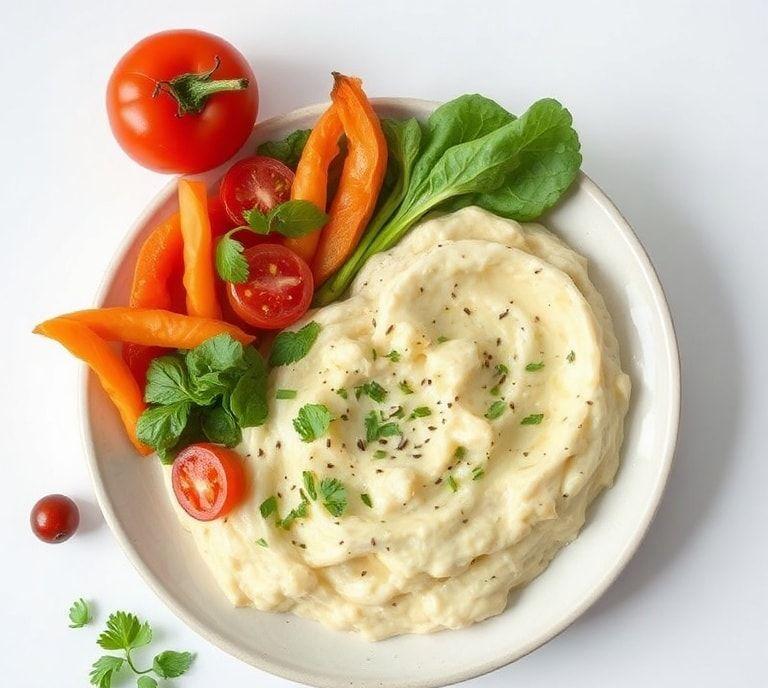
If you’ve never tried making risotto, it’s one of those dishes that might sound more complicated than it is. I used to think risotto was only something chefs could pull off in fancy kitchens, but once I got the hang of it, I realized how rewarding it is. This creamy mushroom and spinach risotto is not only comforting but also incredibly nourishing. The combination of earthy mushrooms and fresh spinach in a creamy base is something special.
Ingredients Needed
Let’s keep this simple. For this vegetarian risotto, you’ll need:
- 1 cup Arborio rice (this is a special type of rice used in risotto; it’s got a high starch content that helps give risotto that creamy texture)
- 2 cups vegetable broth (preferably low-sodium, since you can always adjust seasoning later)
- 1 cup mushrooms, sliced (I prefer cremini or button mushrooms, but you can mix it up)
- 2 cups fresh spinach (you could also try kale or arugula for a twist)
- 1 small onion, finely chopped
- 2 cloves garlic, minced
- 1/2 cup dry white wine (totally optional, but it adds depth to the flavor)
- 1/4 cup grated Parmesan cheese (for a creamy finish, but you can skip this or use a vegan version if preferred)
- 2 tbsp olive oil (for sautéing the vegetables)
- Salt and pepper, to taste
- A squeeze of lemon juice (optional, but it balances out the richness of the dish)
These are the basics, but feel free to get creative with the ingredients. For instance, you could swap the spinach for peas, or add some roasted tomatoes for a pop of sweetness. The beauty of risotto is that it’s incredibly adaptable.
Cooking Instructions
- Prep the ingredients: Start by chopping the onion, mincing the garlic, and slicing the mushrooms. You want everything ready before you start cooking because risotto demands your full attention once it’s on the stove.
- Sauté the veggies: In a large skillet or sauté pan, heat the olive oil over medium heat. Add the onion and cook for 2-3 minutes until it becomes translucent. Then, toss in the garlic and cook for another minute. The smell will be amazing already, so just try not to get too excited yet!
- Add the mushrooms: Once the onion and garlic are softened, add the sliced mushrooms. Let them cook for about 5 minutes, stirring occasionally. The mushrooms will release their moisture and shrink down, but keep going until they’re nicely browned. The caramelization here really brings out the deep umami flavor, so don’t rush this step.
- Start the risotto: Pour in the Arborio rice and stir it around for a minute or two. This toasts the rice slightly and helps it absorb the flavors from the mushrooms and the oil. Next, add the white wine, if you’re using it. Let it simmer until it mostly evaporates.
- Cook the rice: Now, start adding the vegetable broth, one ladleful at a time. Stir constantly, allowing the rice to absorb the liquid before adding more. This is the key to getting that creamy, velvety texture. It will take about 20-25 minutes for the rice to absorb the broth and cook through. You may need to adjust the heat as you go, but keep stirring and adding broth.
- Finish the dish: Once the rice is cooked (it should still have a slight bite to it), stir in the spinach. It’ll wilt quickly. Then, add the Parmesan, salt, and pepper. Give it a final taste to check the seasoning, and finish with a squeeze of fresh lemon juice.
- Serve and enjoy: Spoon the risotto into bowls and serve immediately while it’s creamy and hot. You could garnish it with more cheese, fresh herbs, or even a drizzle of olive oil for extra richness.
Ingredient Science Spotlight
Let’s talk about Arborio rice. It’s a short-grain rice that’s packed with starch. When you cook it, especially with all that liquid you’re adding during the risotto process, the starch slowly releases, creating a creamy, almost velvety texture that makes risotto so satisfying. This is why you can’t substitute regular rice-it’s not going to give you that luscious, comforting creaminess.
The mushrooms, too, are an interesting ingredient in this dish. They’re not just about flavor-they’re an excellent source of vitamin D, which is a bit harder to come by in vegetarian diets. Plus, their texture mimics the umami richness of meat, which is one of the reasons they work so well in vegetarian dishes.
Expert Tips
- Don’t rush the process: Risotto is all about patience. The slow addition of broth helps the rice absorb the liquid gradually, which is what gives it that creamy consistency. You’ll want to stir frequently but not constantly. It’s all about getting the right balance of texture and creaminess.
- Make your own broth: If you have the time, making your own vegetable broth can take your dish to the next level. You can use leftover veggie scraps-onion peels, carrot tops, celery ends-to make a flavorful base without needing to buy broth in a carton. Just simmer the scraps with some herbs and water for an hour or so, and you’ll have the perfect stock.
- Use quality mushrooms: Don’t skimp on the mushrooms. While the pre-sliced supermarket packs are convenient, fresh whole mushrooms will give you more flavor and texture. If you can find wild mushrooms like shiitake or chanterelles, go for it-they’ll add an even deeper flavor.
- Test the rice for doneness: Risotto should be just slightly al dente, not mushy. A bite should have a little resistance, but not too much. It’ll also continue to absorb some liquid even after you take it off the heat, so don’t let it dry out too much.
Recipe Variations
- Vegan Version: You can easily make this risotto vegan by swapping the Parmesan for a dairy-free alternative or nutritional yeast. You could also skip the cheese altogether if you want a lighter version.
- Add Protein: If you’re craving more protein, try adding some roasted chickpeas or a handful of toasted nuts like pine nuts or walnuts. You could also toss in some tofu for extra texture.
- Other Vegetables: Instead of spinach, why not add peas, asparagus, or roasted butternut squash? This is a great way to play with seasonal ingredients and switch up the flavors.
Final Words
Risotto is one of those dishes that may seem fancy, but with the right approach, it’s actually very approachable. It’s a perfect introduction to vegetarian cooking because it’s all about flavors and textures that can stand on their own. The great thing about this dish is that you don’t need a lot of fancy ingredients or equipment to make it shine. It’s about the quality of what you use and the love you put into it.
FAQs
What Are Some Easy And Quick Vegetarian Recipes For Beginners?
For beginners, simple vegetarian recipes such as vegetable stir-fries, pasta with marinara sauce, vegetable soups, and salads with beans or chickpeas are excellent choices. These meals are quick to prepare, require minimal ingredients, and can be customized based on your taste preferences. You can also try making vegetarian tacos with beans, grilled vegetables, and avocado for a satisfying meal.
How Can I Ensure My Vegetarian Meals Are Nutritious?
To ensure your vegetarian meals are nutritious, focus on including a variety of vegetables, fruits, whole grains, legumes, and plant-based protein sources. Incorporate protein-rich foods like lentils, chickpeas, tofu, quinoa, and edamame. Don’t forget healthy fats from sources like olive oil, avocado, and nuts. Balance your meals with a mix of fiber, protein, vitamins, and minerals to avoid nutrient gaps.
What Are Some Beginner-friendly Vegetarian Substitutes For Common Animal Products?
As a beginner, it’s helpful to substitute common animal products with plant-based alternatives. For milk, try almond, soy, or oat milk. For cheese, look for dairy-free options made from nuts or soy. Eggs can be replaced with chia or flaxseed eggs, or use tofu for scrambling. For meat, tempeh, tofu, or lentils can be used as protein-packed substitutes in dishes like stir-fries, tacos, and curries.